With calm resolve, the United States and the European Union have each made decisions in recent days showing a firm watchfulness against big-power aggression. Neither will receive a Nobel Peace Prize for its actions – Alfred Nobel’s idea of a secure world did not include military deterrence. Yet together, the U.S. and EU have at least helped make war a bit more unthinkable.
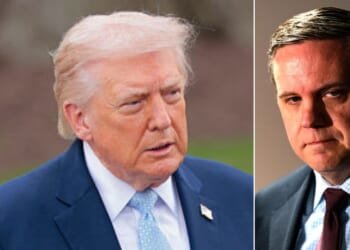
On Dec. 17, the Trump administration approved the largest-ever U.S. arms sales to Taiwan. Congress is expected to approve the $11.1 billion weapons package, especially after the House Select Committee on China issued a report Thursday calling for “unambiguous” opposition to Beijing’s moves toward an invasion of the self-governing democratic island.
Earlier this month, President Donald Trump issued a National Security Strategy that says “deterring a conflict over Taiwan, ideally by preserving military overmatch, is a priority.” Last month, Taiwan’s government proposed a $40 billion special budget for military spending, part of an effort to boost its defenses.
“History demonstrates that compromising with aggressors ultimately brings only endless aftermaths of war and subjugation,” said President Lai Ching-te.
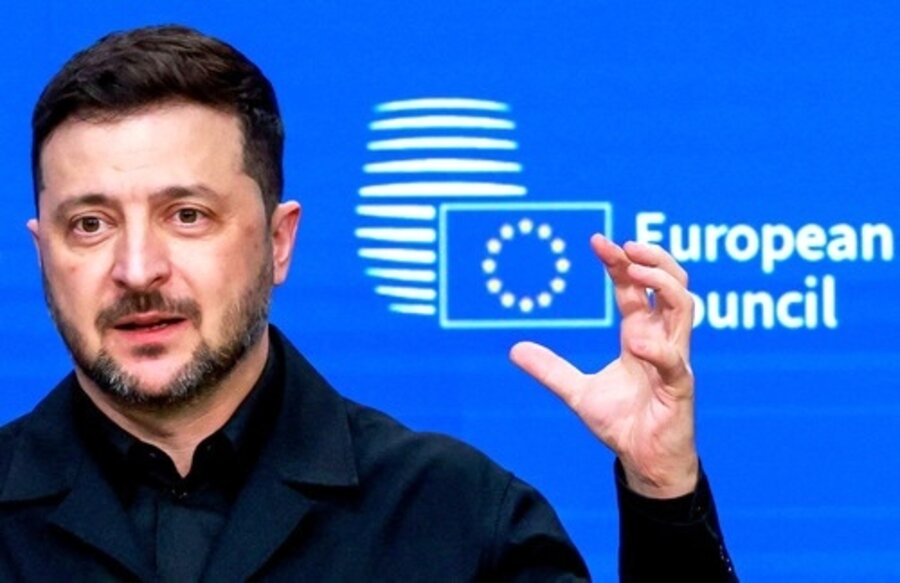
On Friday, meanwhile, EU leaders agreed to borrow €90 billion (about $106 billion) to provide critical aid to Ukraine against the Russian military. The money may allow the country to survive into 2027. Ukraine will not need to repay the loan until Russia compensates it with reparations.
“The only way to bring Russia to the negotiating table is to strengthen Ukraine,” said European Council President António Costa.
While the aid amount was not as much as many EU states wanted, the final figure is a “decisive message for an end to the war,” said Friedrich Merz, the German chancellor. Overall, Europe has spent more money than the U.S. to help Ukraine during the nearly four-year war.
This latest protection for Taiwan and Ukraine – both democracies threatened by autocratic neighbors – is not a fear-based strategy. It is a recognition that showing strength against evil can dissolve its power. As the German leader said, Russian President Vladimir Putin “will only make concessions once he realizes his war will not pay off.”