Sports fans heading to the Big Apple could see their dreams of watching the world’s biggest football tournament thrown into chaos, after the city’s Mayor refused to lift a ban on Airbnb rentals – and hotel workers have threatened to strike during the tournament.
The World Cup kicks off in just 12 weeks time, with the first match held in Mexico on June 11th. The MetLife Stadium in New York will host eight matches, including the World Cup final on July 19th.
The Hotel and Gaming Trades Council, the union representing workers hotel workers in New York and Northern New Jersey, says tourists could face ‘strikes, pickets, and lockouts’ at some hotels during the tournament if current contract negotiations with the NYC hotel industry don’t go to plan.
And Airbnb, one of the world’s largest holiday rental brands, remains firmly locked out in New York City because of strict rules on short-term vacation rentals.
New York’s introduction of the LL18 Local Law 18 in 2023 makes it extremely difficult for owners to rent out their homes for less than 30 days – holiday lets in five boroughs including some of the city’s most famous tourist districts are few and far between.
With a potential tourism catastrophe on the horizon, it had been hoped that Mayor Zohran Mamdani, elected to City Hall in November, might temporarily relax rules to ensure there’s enough accommodation for visiting fans.
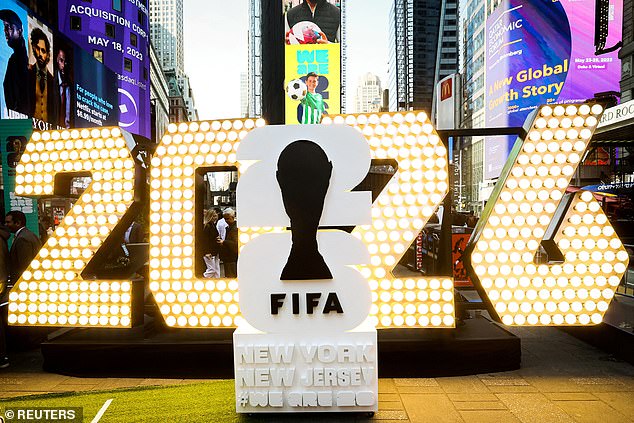
Fanfare…but could football fans heading to the Big Apple find their stay in doubt? The threat of a hotel workers strike – and an ongoing ban on Airbnbs in the city means accommodation could be hard to come by when the tournament kicks off in June
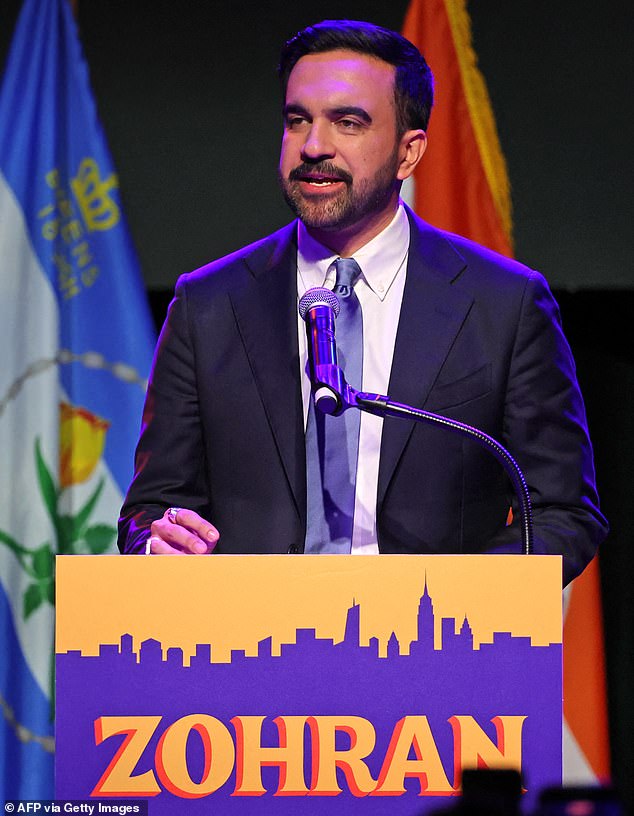
New York Mayor Zohran Mamdani is a long-time opponent of Airbnb and this week agreed with the blocking of a bill that would have allowed the holiday rental company to operate more freely in the city during the World Cup
Despite Mayor Mamdani being a ‘soccer superfan’, a bill to allow homes to be rented out to four people – the current regulations allows only for single-family properties to be rented to do – was blocked this week.
A coalition of City Council committee chairs refused to reverse the local laws, even temporarily.
The New York Post this week published a copy of a letter sent from the coalition of chairs, which responds to the temporary reprieve on accommodation by saying: ‘We want to make it clear: this is not a proposal that we will entertain.’
Mayor Mamdani made it clear he was in agreement, with City Hall spokesperson Cassio Mendoza releasing a statement saying: ‘The Mamdani Administration is excited to welcome visitors from all over the world to enjoy our city and the World Cup. But we will not do so at the expense of working-class families.’
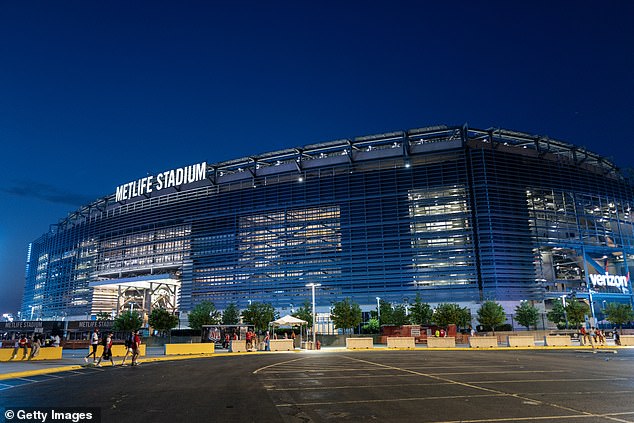
The MetLife Stadium in New York will host eight matches including the World Cup final on July 19th
While California-founded Airbnb has become a global go-to for many tourists – for everything from city breaks to sunshine getaways, the brand has been left increasingly frustrated by the Big Apple’s strict rules on short-term vacation rentals.
Mr Mamdani was vocal throughout his election campaign about prioritising cheaper housing costs for New Yorkers, accusing the tourism brand of pushing up the price of rents in the city for residents.
The average price of a hotel room in New York was around £318-a-night in 2024 – and self-catering stays, particularly for larger family groups, have traditionally been viewed as a way to keep costs down.
Rentals have to be registered with the city, and property platforms can’t legally process payment for an unregistered property.
Hosts have to be present, and, even then, only two guests are permitted in rentals where the owner lives on site.
The Big Apple remains America’s most visited city, with 65 million visitors in 2024 contributing around £60 billion to both the city and New York State economy.
In September, Airbnb spent £765,000 on a campaign criticising all three of the mayoral candidates for their stance on the rental company – with Mamdani the strongest critic of the holiday platform.
Michael Blaustein, spokesperson for the committee, known as a Super Pac, behind the campaign said at the time: ‘These candidates continue to promote a false narrative blaming hosts for the housing crisis, despite evidence to the contrary.’
Alongside destinations in Mexico and Canada, 11 US cities – Atlanta, Boston, Dallas, Houston, Kansas City, Miami, New York/New Jersey, Philadelphia, San Francisco, Seattle and Los Angeles – will host World Cup matches over five weeks in June and July.