As a doctor, I spent years caring for older patients whose lives were shaped by health problems that had quietly developed decades earlier.
Many were on long lists of medication, had lost mobility and independence, and were living with conditions that might once have been preventable.
By the time they reached hospital, there was little I could do beyond treating the immediate problem.
After the pandemic, burnt-out but still driven to help, I left the NHS and became a personal trainer, nutrition coach and behaviour change specialist – shifting my focus from crisis care to prevention. That decision was driven by one question: how do we stop people ending up on those wards in the first place?
One of the most common and overlooked health risks is high cholesterol, which contributes to the formation of fatty, inflamed plaques in the artery walls, narrowing blood vessels. Left untreated it can raise the risk of a heart attack, stroke and even dementia.
Doctors tend to focus on two main types of cholesterol when assessing heart risk: low-density lipoprotein (LDL), often called ‘bad’ cholesterol, and high-density lipoprotein (HDL), known as ‘good’ cholesterol.
Cholesterol itself isn’t the enemy, it’s an essential substance used to make hormones, vitamin D and cell membranes. The problem arises when LDL cholesterol becomes too high.
HEARTY LENTIL AND TOMATO SOUP
Warming and filling. Lentils are rich in soluble fibre, which can help lower LDL cholesterol. Tomatoes and lemon adds vitamin C to support iron absorption, while using reduced-salt stock can support healthy blood pressure.
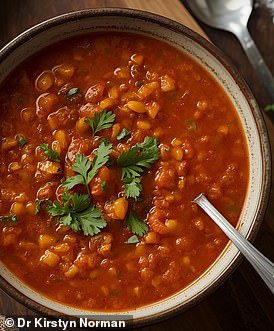
Ingredients
(Makes four servings)
● 1 tbsp olive oil
● 1 onion, diced
● 2 carrots, diced
● 2 celery sticks, diced
● 2 garlic cloves, crushed
● 200g red lentils (rinsed)
● 1 tin chopped tomatoes (400g)
● 1 litre vegetable stock
● 1 tsp smoked paprika
Instructions: Heat oil in a pan, soften onion, carrot, celery, and garlic. Stir in lentils, tomatoes, stock and paprika. Simmer 20–25 mins until lentils are soft. Blend smooth or leave chunky.
LDL drives plaque formation, while HDL helps remove excess LDL from the bloodstream by transporting it to the liver for clearance. When HDL levels are too low, this protective process is less effective. LDL levels can also rise independently, influenced by factors such as diet, genetics and overall metabolic health.
Now nearly eight million people in the UK take statins – daily tablets designed to lower LDL cholesterol.
For many, they are lifesaving. But the drugs are not without drawbacks. Some people experience side-effects such as muscle pain, digestive problems and headaches, while others simply do not see the cholesterol reductions they expect.
In fact, research suggests only around half of people prescribed statins achieve the level of cholesterol reduction suggested by clinical guidelines after two years.
The reasons vary. They may include dose, adherence, genetics or wider health and lifestyle factors. But the message is clear: for many patients, statins alone are not enough.
That is why lifestyle change is still recommended alongside medication – and why, in some cases, people are given a three-month window to improve their cholesterol through diet and activity before statins are prescribed, depending on their risk of heart attack or stroke.
While some cases of high cholesterol are genetic, the most common drivers of raised LDL are lifestyle-related – including poor diet, lack of exercise, smoking and excess alcohol.
For many people, structured lifestyle changes can significantly improve cholesterol levels, either reducing the need for medication or helping statins work more effectively.
I saw this first-hand with a client who ultimately inspired my work as ‘The Cholesterol Coach’. She was in her early 40s when a routine health check revealed significantly raised cholesterol levels. Her GP advised lifestyle changes and a repeat blood test in three months.
After three months of targeted lifestyle changes, working with me, her total cholesterol fell from 6.7 to 4 – below the NHS target of 5. She also lost just over 5 per cent of her body weight. Her GP confirmed that she no longer needed to start statins.
And this isn’t a one-off case: evidence suggests that with lifestyle changes alone, it’s perfectly achievable to reduce cholesterol by a third.
Too often, patients leave the GP surgery with a leaflet and the instruction to ‘eat better and move more’, but little clarity on what that actually means day to day. They then turn to the internet, where they are bombarded with conflicting advice: cut all fat, go low-carb, avoid statins entirely, take supplements instead.
With my background as an NHS doctor and my retraining in fitness, nutrition and behaviour change, I realised I was well placed to help bridge that gap.
So here’s how lifestyle changes can help lower your cholesterol.
Mindset is a key weapon

One of the most common and overlooked health risks is high cholesterol, writes Dr Kirstyn Norman. Left untreated it can raise the risk of a heart attack, stroke and even dementia
Having the right mindset before trying to lower cholesterol is crucial – and it’s one of the most overlooked factors in long-term success.
What I see time and again is an all-or-nothing approach. Many fall into the trap of fad diets, believing they have to be perfect all the time for changes to work. But perfection is unrealistic, and it’s often what causes people to fail.
Life gets in the way. A stressful day at work, a bad night’s sleep or pressure at home can make comfort foods and broken routines feel almost inevitable.
When someone is chasing perfection, a single late-night snack or missed workout can quickly spiral. They tell themselves the plan is ruined, promise to start again when life is calmer, and slip into a cycle of yo-yoing between healthy intentions and unhealthy habits. What’s needed instead is a middle ground.
Lowering cholesterol isn’t about restriction or rigid rules – it’s about adopting a positive, flexible mindset that allows for real life.
That starts with setting realistic expectations and building a plan that fits around everyday pressures. Without the right mindset, even the best advice on diet and exercise simply won’t stick.
Small changes to diet that add up quickly
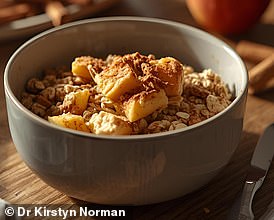
WARM APPLE CRUMBLE OATS
Like dessert for breakfast, but nourishing and fibre-rich. The combination of oats, apples and walnuts provides soluble fibre, plant sterols and heart-healthy fats. Using calcium-fortified oat or soya milk instead of dairy also reduces saturated fat.
Ingredients
(Makes two servings)
● 100g rolled oats
● 300ml semi-skimmed milk or plant-based alternatives
● 1 apple, diced
● ½ tsp cinnamon
● 2 tbsp raisins (optional)
● 2 tbsp chopped walnuts
Instructions: Add oats, milk, apple, cinnamon (and raisins if using) to a saucepan. Simmer gently, stirring, until thick and creamy (6–8 mins). Divide into bowls and top with walnuts and a pinch more cinnamon.
Many people are drawn in by false promises about the ‘perfect’ cholesterol-lowering diet. In reality, the advice is far simpler.
The foundation should be balanced, home-cooked meals that are high in fibre, rich in vegetables, wholegrains and legumes, while cutting back on ultra-processed foods and those high in saturated fat.
With my clients, the most important starting point is where they are now. That’s where many people who go it alone struggle.
If someone’s diet is dominated by ultra-processed foods, it’s unrealistic to expect them to switch overnight to entirely home-cooked meals and eliminate snacks. That approach rarely lasts.
Instead, progress comes from small, achievable changes – adding an extra portion of fruit or vegetables each day, or building a heart-healthy breakfast – before gradually moving towards an ideal pattern of eating.
At its most basic, that means building balanced plates: half filled with fruit or vegetables of different colours; a quarter with wholegrain or fibrous carbohydrates such as brown rice, wholemeal pasta or bread, potatoes with the skin on, oats, quinoa or barley; a quarter with lean protein like fish, skinless poultry, beans or lentils; and a small portion of healthy fats such as nuts, seeds, olive oil or avocado.
Many of the people I support already cook from scratch and snack very little, yet still have raised LDL cholesterol. In these cases, the goal is optimisation.
Small tweaks can make a meaningful difference, even when the diet already looks healthy: increasing soluble fibre, replacing some animal products with plant-based options, and eating more oily fish.
Certain foods can be particularly powerful. Oats are one of the most effective cholesterol-lowering foods because they contain soluble fibre called beta-glucans. This forms a gel in the gut that binds to cholesterol and helps remove it from the body.
Eating oats regularly can reduce LDL cholesterol by around 5 to 10 per cent, and they’re easy to include as porridge, overnight oats or blended into smoothies.
Soya foods are another underrated tool. Tofu, tempeh, soya mince and soya milk provide complete plant protein, soluble fibre and compounds linked to improved cholesterol levels and reduced inflammation.
Swapping some red or processed meat for soya cuts saturated fat – one of the main dietary drivers of high LDL – while increasing fibre and healthier fats, making it a simple but effective heart-healthy upgrade.
Stress can sabotage battle to be healthy
Chronic stress often sits behind the everyday habits that drive cholesterol higher.
When someone is under constant pressure, exercise is usually the first thing to drop off. Comfort eating becomes more likely, with a pull towards sugary and fatty foods, and sleep quality often suffers – creating a vicious cycle that pushes cholesterol in the wrong direction.
When clients are struggling with stress, I often suggest simple techniques such as mindfulness, meditation or journalling.
That said, for many people the idea of setting aside half an hour a day to meditate simply isn’t realistic. But stress reduction doesn’t have to be time consuming. Small changes – such as an early morning walk outdoors, or carving out a few minutes of quiet time to do a sudoku or similar activity – can be enough to take the edge off and help break the cycle.
Sleep is a silent driver of bad cholesterol
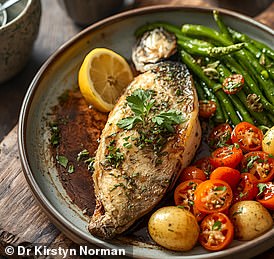
GRILLED MACKEREL WITH LEMON AND HERBS
Oily fish such as mackerel are naturally rich in omega-3 fats, which can lower blood pressure and triglycerides (another type of fat in the blood), and help maintain a healthy heart rhythm.
Ingredients
(Makes two servings)
● 2 fresh mackerel fillets
● 1 tbsp olive oil
● Juice of 1 lemon
● 1 tsp dried oregano
● Black pepper
● Steam bag of veg
● 150g new potatoes
Instructions: Preheat grill. Place mackerel on a tray, drizzle with olive oil, lemon juice, oregano and pepper. Grill for 5–7 mins until cooked through. Serve with steamed veg and new potatoes.
Sleep length and quality have long been linked to heart health – and poor sleep can quietly push cholesterol in the wrong direction.
A study published earlier this year by Chinese researchers analysing data from nearly 9,000 adults found that both short sleep and long sleep durations were associated with lower levels of HDL, the so-called ‘good’ cholesterol.
Research from King’s College London in 2016 found that people who were sleep-deprived consumed an average of 385 extra calories per day. They also tended to eat proportionately more fat and less protein – a pattern known to worsen cholesterol profiles over time.
In other words, poor sleep doesn’t just affect how tired you feel the next day, it shapes appetite, food choices and metabolic health.
With clients, I focus on simple, realistic changes rather than perfect routines.
Keeping a regular sleep schedule – going to bed and waking up at roughly the same time each day, including weekends – helps regulate the body’s internal clock.
I also encourage a short wind-down routine, such as taking a warm bath, reading or practising gentle breathing exercises.
Limiting screens, caffeine and alcohol before bed can also make a significant difference. Blue light from phones interferes with melatonin production, caffeine can remain in the system for up to 9.5 hours, and alcohol disrupts sleep quality even if it initially helps you drift off.
Just getting active will have an impact
Regular physical activity is one of the most effective ways to improve cholesterol levels and protect heart health.
But as with diet, the idea of exercise can feel daunting – and many people assume it requires dramatic effort to make a difference.
In reality, you don’t need to run marathons to see benefits. A 2019 review of research published in the Journal of Applied Physiology found that regular physical exercise lowers levels of LDL while increasing HDL.
Exercise also helps the body use saturated fat as a fuel source. The more active you are, the more saturated fat your muscles burn for energy, leaving less circulating in the bloodstream and lowering non-HDL cholesterol levels.
Crucially, any amount of movement helps. The best place to start is simply doing a little more than you do now and building up gradually. Even short, brisk bursts of activity can have a positive effect – something really is better than nothing.
That’s why I always encourage clients to begin with activities they genuinely enjoy. This might be dancing in the kitchen, gardening or taking the dog for a brisk walk.
The longer-term aim is to build up to around 150 minutes of moderate activity a week.
Strength training also plays an important role. Using bodyweight exercises or simple weights helps build and protect muscle, supporting metabolic health, cholesterol control and long-term independence.