THE new financial year starts tomorrow – April 6 – and with it comes a raft of tax hikes and changes.
Council tax bills are rising by almost 5% this month, water bills are rising by 5.4%, and phone and broadband costs are also on the up.
But there are still a few hours left to help shield your money from taking a hammer blow.
Here are five checks you should make TODAY to protect your hard-earned cash from the taxman – and many take just minutes to do.
Remember, you have until midnight tonight before the tax year comes to an end… so it’s worth taking half an hour or so on your Easter Sunday to beat the deadlines.
Use up your ISA allowance…
Savers have until midnight on April 5 to make the most of their tax-free ISA allowance.
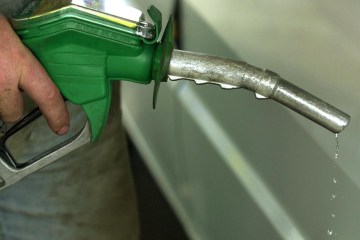

ISAs (Individual Savings Accounts) allow you to save up to £20,000 a year without paying any tax on the interest you earn.
Your tax allowance will then reset when the new tax year begins on April 6 – but you can’t roll over any of your previous allowance, so you must “use it or lose it”.
Alice Haine, personal finance analyst at Bestinvest by Evelyn Partners, said: “The ISA operates on a use-it-or-lose-it basis – it does not roll over to the next tax year and resets at midnight on April 5 with any unused portion gone for good.
“Even if you can only use a portion of it, you should.”
Providers are currently offering cash ISAs with interest rates of up to 4.58%, according to Moneyfactscompare.co.uk.
By putting £20,000 into a top ISA account earning 4.58% interest, you’d earn an extra £916 tax-free.
Making the most of your allowance is especially important, as the cash limit for ISAs is due to fall from £20,000 to £12,000 in April 2027.
… And don’t forget about your kids’ savings
Junior ISAs (JISAs) work in the same way as regular ISAs and can shelter your cash from the taxman.
The amount you can save into one tax-free each year is lower, at £9,000.
Like normal ISAs, you have until midnight tonight to use up your tax allowance – or lose it.
Any funds you put in a JISA will be locked away until your child turns 18 – so you should only add money you know you won’t need between now and then.
Pay into your pension
It may be worth doing a last-minute pension top-up today to help shield your money from tax.
You can save up to £60,000 a year – or 100% of earnings – into a pension without paying tax on it.
Unlike ISAs, you can carry forward annual allowance that you did not use from the previous three tax years.
It means that a saver could in theory make a pension contribution of up to £180,000 before the end of this tax year on April 5.
Married? Make the most of your tax perks
There’s a simple way you can claw back tax if you’re married or in a civil partnership – and there are thought to be millions missing out on this valuable perk.
Using the marriage allowance, you can transfer up to £1,260 of your tax-free personal income allowance to your partner each year if one of you isn’t earning more than £12,570 a year and the other pays basic rate tax.
You can also backdate claims for up to four years, which means you could get up to £1,256.
You have until midnight on Sunday to backdate a claim for as far back as April 5, 2021.
Married couples and civil partners can also transfer assets between each other without triggering tax.
It means if you have already fully used your ISA allowance, for example, you can transfer assets to your partner so the ISA funding can continue by up to another £20,000.
However, ownership of those assets transfers along with the money so it’s a move for couples in a strong, trusting financial partnership.
Claim back overpaid tax
If your tax code was wrong and you paid extra tax in the 2021-2022 tax year you’ll need to have claimed it by Sunday or miss out for good.
Tax code mistakes tend to happen when you change jobs or get benefits – but the onus is on you to tell HMRC.
There’s a limit of four years on claiming back overpaid tax, so it’s your last chance to fix any errors and get money back for 2021-22.
Recent figures suggest that as many as 5.6million workers have been overcharged £3.5billion or an average £625 each.
If you think that your tax code might be wrong, update your details on the HMRC app or the GOV.UK website.
You should be reimbursed for any tax that you have overpaid, and most cases are paid within a few days.