HORRIFYING new reports and video footage emerging from Iran last night sparked fears the evil mullahs’ crackdown on protests amounted to genocide.
Shock figures revealed over the weekend suggest as many as 16,500 demonstrators died during two weeks of rebellion against the iron rule of Supreme Leader Ali Khamenei.
Updated assessments by the Norway-based Iran Human Rights suggest the toll could be even higher, potentially surpassing the worst-case estimates of 18,000-20,000 deaths.
The organisation said: “The number of protesters killed may even exceed the highest media estimates.
“Twenty-three days after the start of the protests, and twelve days after the nationwide internet shutdown, information and eyewitness accounts are revealing broader dimensions of the killing.”
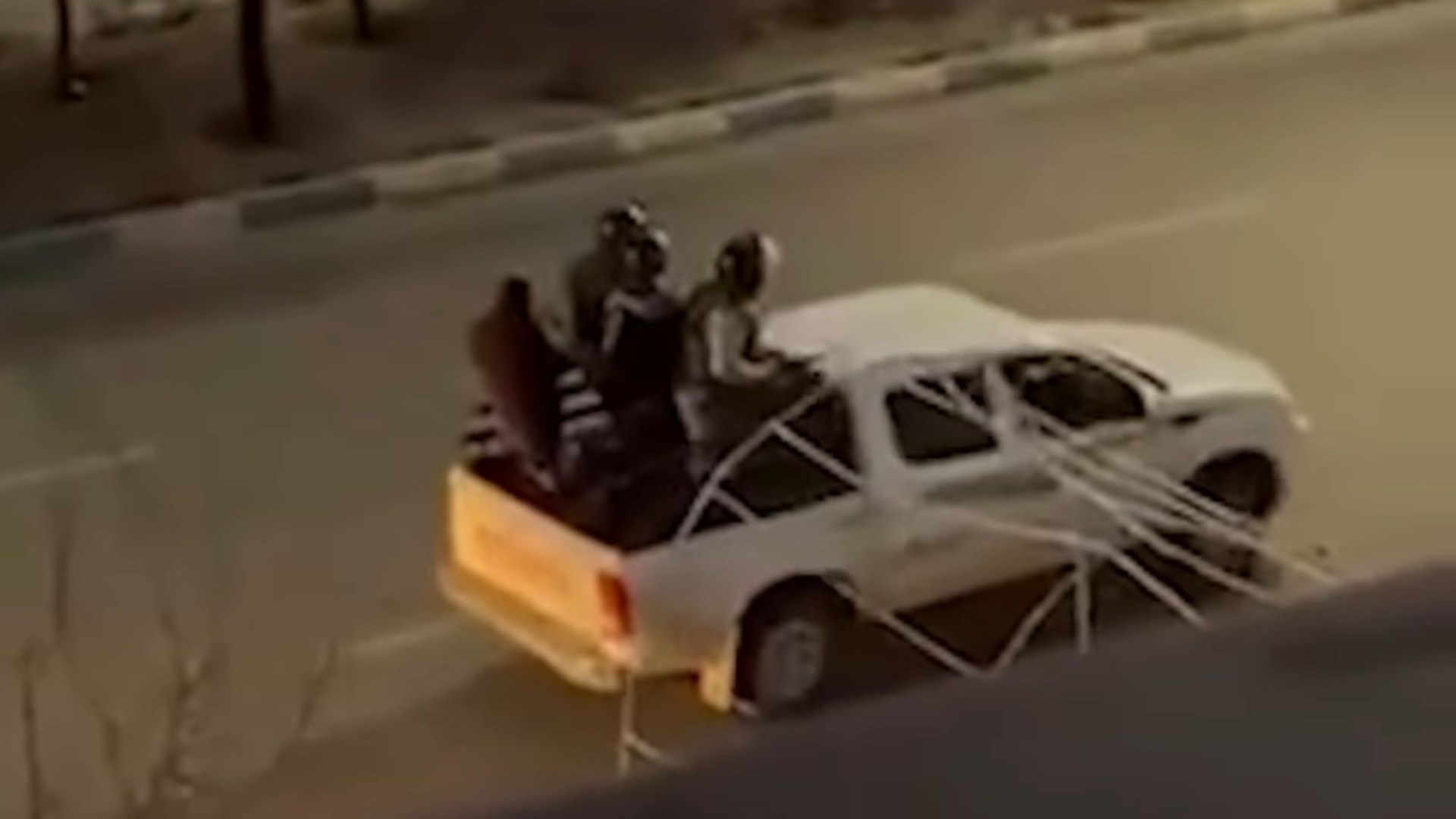
Harrowing videos shared online show rows of body bags, wounded protesters fleeing gunfire and regime thugs opening fire on civilian homes.

Iran’s Human Rights Centre also reported for the first time that a soldier – named as Javid Khals – had been sentenced to death for refusing to open fire on unarmed protesters.
Khals is believed to be among several detainees still on death row – despite the regime’s assurances to Donald Trump that no one would be hanged.
The US president encouraged demonstrations with the promise “help is on the way” – but failed to act as massacres unfolded across the nation.
Human rights groups said they stopped publishing daily casualty figures for fear of a violent backlash from Islamist authorities, shielded by an ongoing internet blackout.
Observers added that tens of thousands of people have been arrested, many held without access to lawyers.
Evidence has also emerged that regime forces deliberately blinded up to 1,000 protesters, firing shotgun pellets into their faces.
Figures released in recent days suggest up to 18,000 fatalities, 360,000 injuries, and at least 700 cases in which medics were forced to surgically remove damaged eyes.
A source in touch with protest groups in Iran told The Sun: “We knew the situation was very bad and that thousands had been slaughtered.
“But all the signs – now the internet is starting to open – are of something much, much worse on a far bigger scale.”
In one shocking episode, surrendering protesters were burned alive in a historic bazaar, while anyone who tried to escape was shot dead.
The atrocity has been likened by some to an “Iranian Holocaust”.
A chilling photograph taken in the city of Rasht shows the aftermath of the January 8 massacre.
Shoes once worn by protesters lie scattered and abandoned across the ground.
Arash Sigarchi, a journalist and former political prisoner in Iran, shared the image on X, writing: “If this is not a crime against humanity, what is?”
The Middle East had braced for potential US strikes on the Islamist regime following 17 days of bloody unrest.
Yet Trump later relented said he had accepted assurances that “the killing in Iran is stopping”.
However, an Iranian refugee in contact with protesters told The Sun:
“The regime is buying time by lying to Trump. They will do what they want once he loses focus.
“People are relieved that there have been no executions so far, but that could change very quickly.”
Trump has also called for an end to Supreme Leader Ayatollah Ali Khamenei’s rule, branding him a “sick man who should run his country properly and stop killing people”.
Khamenei is reportedly planning to extend Iran’s nationwide internet blackout indefinitely, plunging the country into what critics describe as permanent “digital isolation”.
According to Filterwatch, a digital monitoring project, regime officials are seeking to impose “absolute digital isolation” on Iran’s 92 million citizens.
The Islamic Republic is said to be abandoning mass internet censorship in favour of a sealed national intranet, accessible only to those with security clearance.
The current blackout is the longest in Iran’s history.
Analysts say it may have been intended to conceal the scale of the crackdown on protesters.
The protests, which erupted on December 28, have grown increasingly brutal.
What began as demonstrations against worsening economic hardship has spread to all 31 provinces, bolstered by calls from Reza Pahlavi, son of the late Shah of Iran, to overthrow the government.