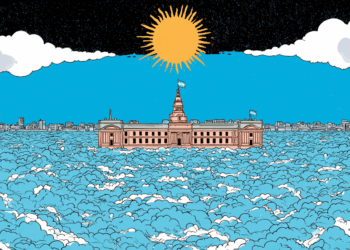
BRITS are facing a raft of price hikes due to the ongoing Middle East crisis.
Economists are warning that inflation is set to hit 4% this year as Iran continues to block vital shipping routes out of the Middle East.

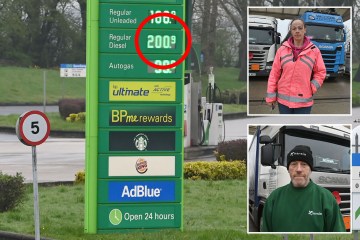
The crisis has seen the price of Brent crude oil soar above $100, with pump prices hitting an 18-month high in the UK.
But it’s not just fuel prices on the rise – experts are warning that food shopping, holiday flights, and even rents are set to go up.
Grocery shopping – over £150
Hard-pressed British families will have to fork out an extra £150 for their annual grocery bill if the conflict persists, experts have warned.
The Institute for Grocery Distribution said last week that food prices will jump by 8% if the war goes on.

This would be more than double the current rate of food inflation – 3.6%.
Meanwhile, market research firm Worldpanel warned today that each additional 1% on the rate of inflation could add more than £50 to the annual supermarket bill for the average household.
This would see families hit with a whopping £200 increase to their shopping bills if food inflation hits the projected 8%.
Fraser McKevitt, head of retail and consumer insight at Worldpanel, said: “Financial anxiety among British consumers was already running high before the conflict began.
“And with grocery inflation likely to increase and fuel costs rising sharply, the conditions that make shoppers feel vulnerable are only intensifying.”
Farmers have warned that the price of fresh food including cucumbers, tomatoes and peppers could rise over the next six weeks due to an increase in fuel and fertiliser costs.
Holiday flights – £43
As fuel costs rise Easter and summer holidays are under threat as airlines are forced to hike prices, and even cancel flights, as a result of the Middle East uncertainty.
A month into the conflict and a number of airlines have already said they will be raising the cost of flights due to the fuel crisis.
United Airlines chief executive Scott Kirby has warned that prices for flights could rise by as much as 20%.
At the end of last year the average price for a European economy flight was £214.32, according to the Office for National Statistics. If prices rise 20% it would add roughly £42.86 taking the overall cost to £257.18
Cathay Pacific, AirAsia and Thai Airways are just some that are increasing fares, along with Air New Zealand.
Other airlines including United Airlines, Air New Zealand have said they are cancelling some of their flights altogether.
The UK should receive its last-known shipment of jet fuel this week, according to the Financial Times.
Aviation analyst Alex Macheras took to social media today to warn about the impact of fuel shortages in the UK.
He posted on X: “Britain’s hub London Heathrow is the highest-risk major airport in Europe for jet fuel from April as US-Israel war on Iran continues.
“Heathrow, with 1,300 flights daily, will struggle ‘the most, & the earliest’ with jet fuel as shortage worsens, & price surges.”
But airlines, especially budget ones, could choose to leave the cost of flights alone to remain competitive and instead raise the cost of extra fees.
In the UK, both Ryanair and easyJet have said their fares won’t be affected by the fuel crisis for now.
Rent prices – £1,000
As fixed mortgage rates continue to rise it is not just homeowners who could be hit.
Renters could see their bills jump as landlords pass on the increases to their costs.
The average landlord now faces an additional £1,100 more a year in mortgage payments compared to the start of March 2026, based on a £250,000 loan, with a 25-year term, according to Moneyfacts.
Average rents in England reached £1,430 a month, according to the most recent figures from the Office for National Statistics, working out at £17,160 a year.
If landlords pass on their additional mortgage costs to tenants rents could rise to over £18,000 a year.
Rachel Springall, Finance Expert at Moneyfactscompare.co.uk, said: “Soaring borrowing costs will cause pain to landlords this year, as they join millions of consumers facing higher mortgage repayments.
“This is terrible news, as rising costs could lead to higher rental payments for tenants, or a drop in the pool of properties available for rent if landlords decide enough is enough and sell off their portfolio.”
There are also warnings that the rise comes amid a “perfect storm” for landlords and tenants as the Renters’ Rights Act and Net Zero regulation are already set to push up costs.
Landlords are expected to have to pay up to £10,000 per property to meet new energy efficiency requirements from the Government by 2030.
Ben Beadle, chief executive of the National Residential Landlords Association, said: “Whilst the Government cannot be held responsible for the impact of the conflict in the Middle East, it should take action where its own policies will lead to higher rents.
“Growing taxes, uncertain costs associated with the Renters’ Rights Act and the ongoing housing benefit freeze will create the perfect storm for tenants.
“With so many people reliant on the sector for a place to call home, ministers need to recognise the real-world consequences of their decisions.”