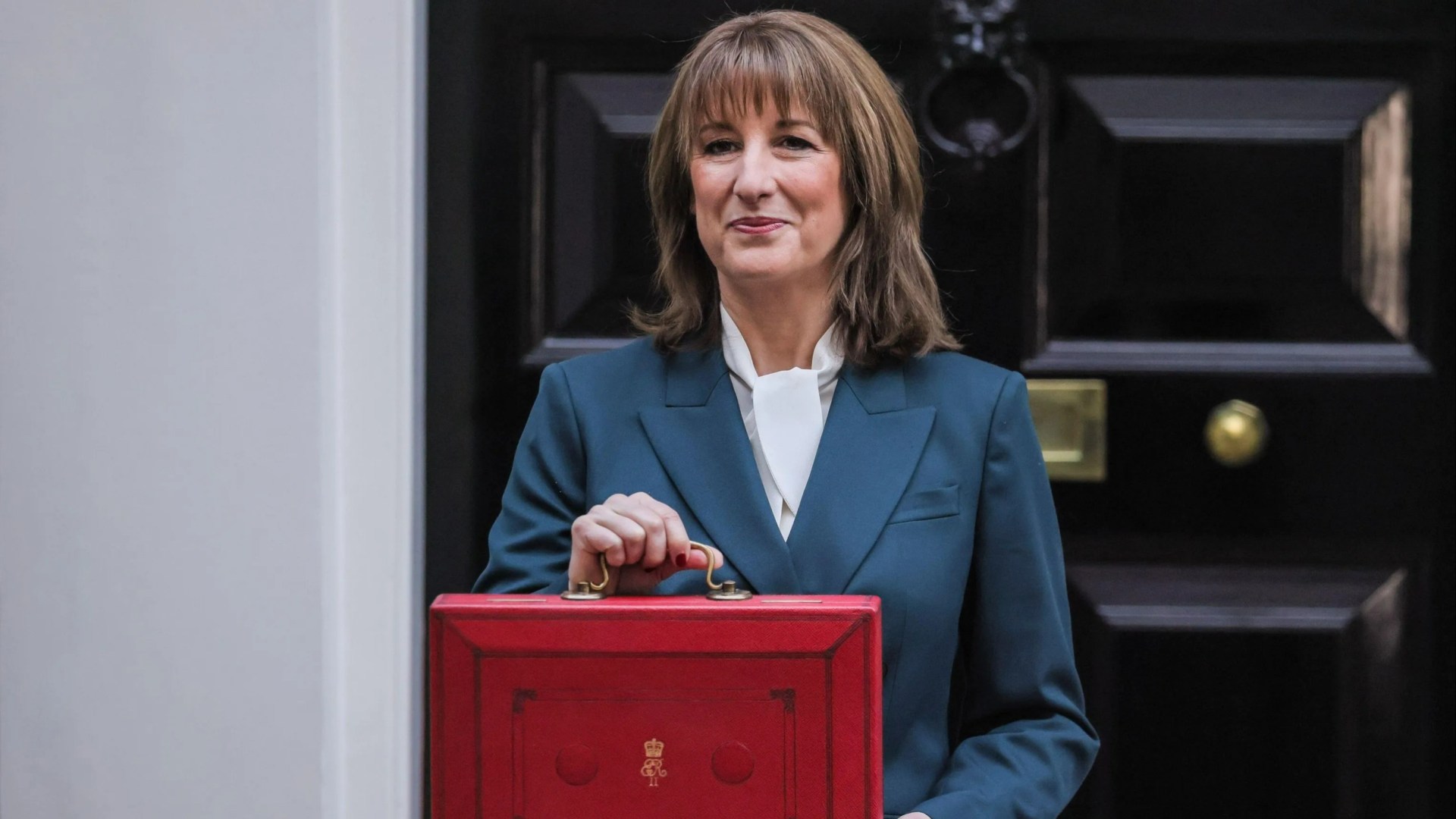
NEW analysis shows the exact salary that workers will lose out the most on following the tax raids in the latest Budget.
Those earning £52,000 will be the hardest hit according to analysis by pensions consultancy LCP.
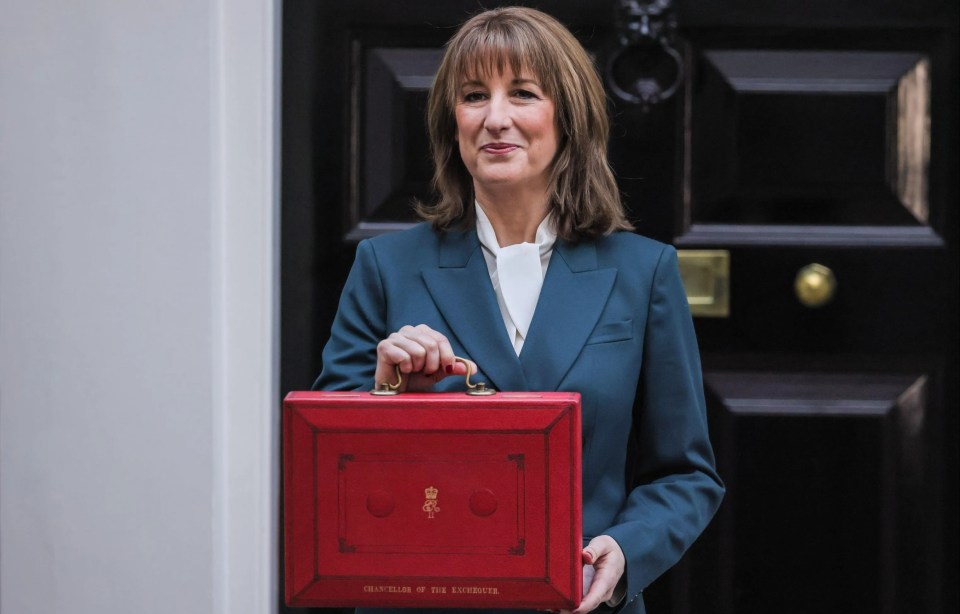
This is due to a “triple whammy” of tax increases, including the salary sacrifice cap, freezing income tax thresholds and the salary at which graduates start repaying their student loans.
The data shows that those earning between £40,000 and £52,000 will be hit the hardest – and LCP says that salary sacrifice changes will hit some £50k earners as much as those on £140k.
This is because workers pay 8% in national insurance on income up to £50,270 – but only 2% on what they earn above this.
Salary sacrifice allows workers to exchange a part of their salary for a pension contribution from their employer.


The slice of the pay they give up isn’t subject to National Insurance, so both employees and employers save money.
And many companies pass on some of the savings they make this way back to their employees – by further boosting their contributions at no extra cost.
Workers currently don’t have to pay any national insurance or income tax on this portion of their salary.
But the latest Budget has included a salary sacrifice cap of £2,000.
This means that workers will now be forced to pay the full rate of National Insurance on any contributions they make over £2,000 a year from April 2029.
But because of the way national insurance works, basic rate payers will pay 8% in national insurance for their pension contributions above £2,000 – while higher-rate workers will only pay 2%.
How does salary sacrifice work?
SALARY sacrifice is a smart way to boost your pension by officially “giving up” a small part of your earnings.
By lowering your gross salary, you pay less income tax and National Insurance.
In exchange, your employer pays the sacrificed amount directly into your pension.
Why do it?
- Tax savings: You keep more of what you earn (it just goes into your pension pot instead of your bank account today).
- Employer boost: Your boss pays less National Insurance too. Many good employers will add these savings to your pension as an extra bonus.
Royal London says that a worker on £35,000 could get an extra £679 a year in their pension pot without reducing their take-home pay, assuming their boss chips in half of their own National Insurance savings.
This means that those earning up to £52,000 will be hit much harder by the salary sacrifice change.
LPC found that someone earning £50,000 and contributing 10% of their salary to their pension through a salary sacrifice scheme will end up paying an extra £240 in national insurance.
Those hit the hardest will be those on £52,000 – who will pay an additional £256 in national insurance for a 10% pension contribution.
Meanwhile, someone on £60,000 sacrificing 10% of their salary will pay a total of £80 extra national insurance.
Tim Camfield, principal at pension consultants LCP, added:
“Some of them will also be graduates, paying an extra 9% of their pension contributions in student loan repayments if employers simply give up on salary sacrifice as a result of the Budget.
“And, to make matters worse, the repeated freeze of tax thresholds could lead many of them to become higher rate taxpayers for the first time in the coming years.
“This is truly a triple whammy for this group”.