“WHERE there’s muck there’s brass,” goes the old saying – and for entrepreneur Sid Sadique it’s been his life’s work.
Sid started out as an apprentice mechanic on refuse trucks at Kirklees Council in his hometown Huddersfield, then rose to become fleet director of rubbish collection giant Biffa.
But these days he isn’t just focusing on cleaning up the streets – he’s also cleaning up lorries as founder and chairman of Electra Commercial Vehicles.
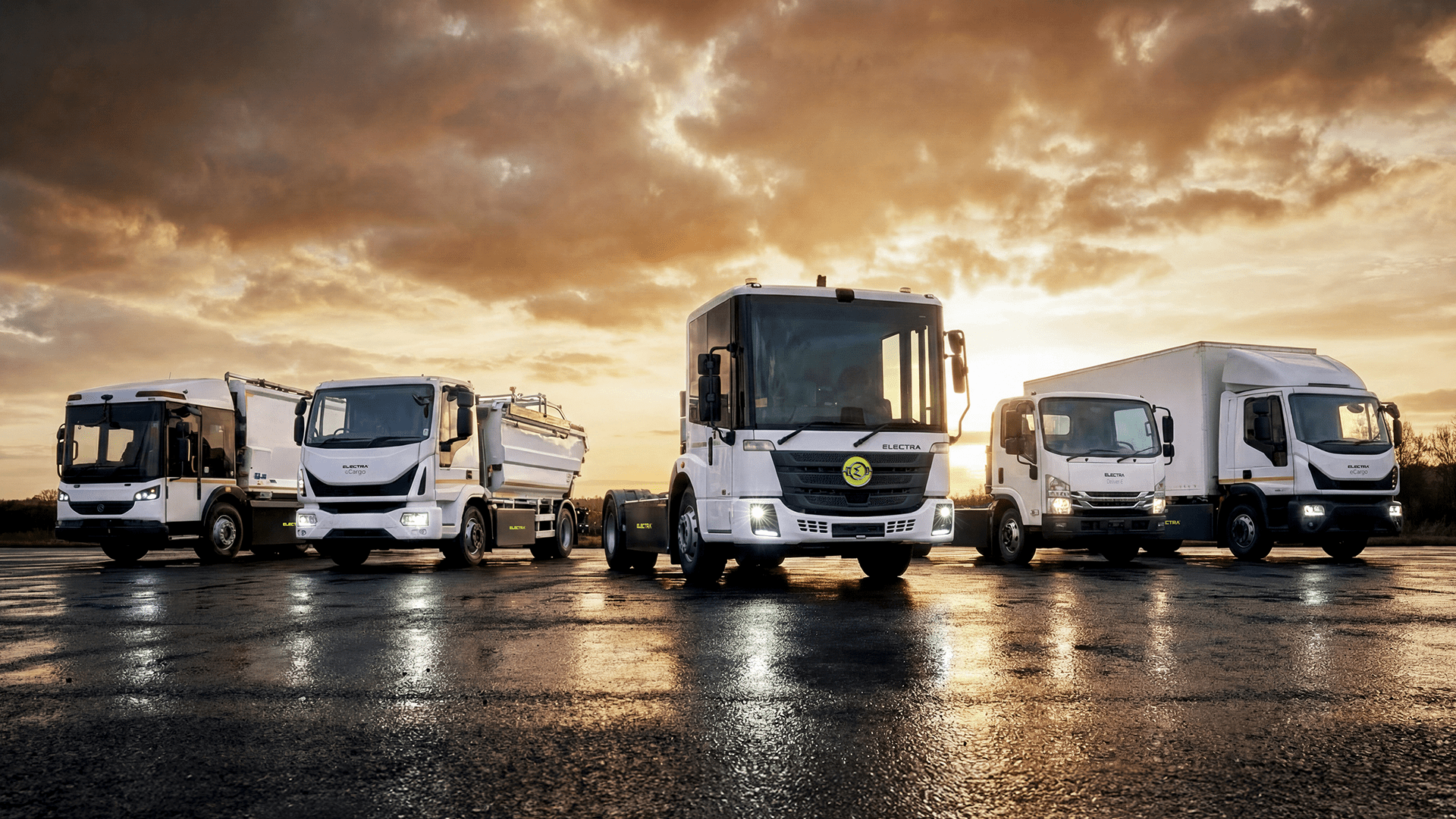
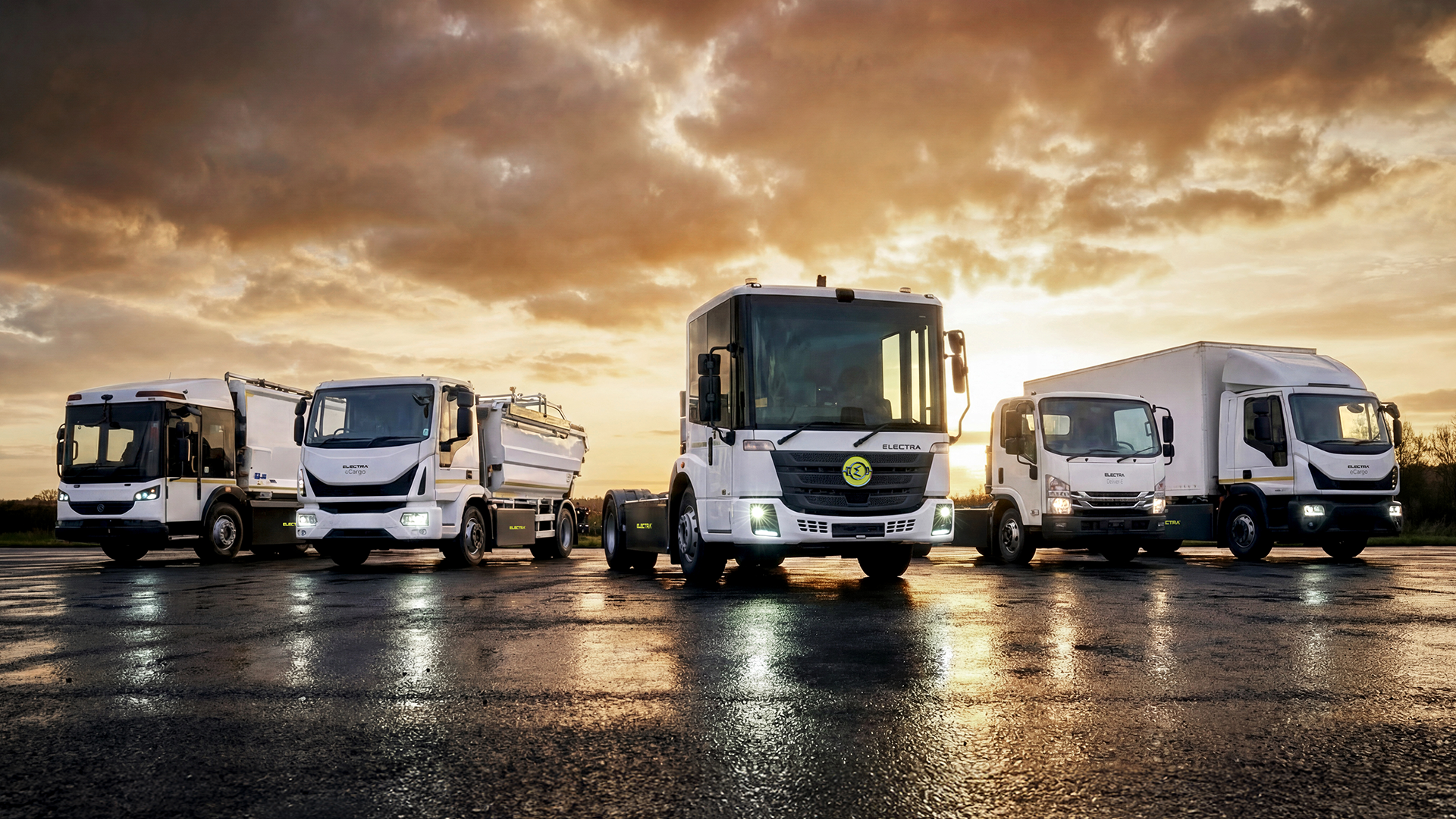
Electra builds zero emission, 100 per cent electric HGVs, including waste collection trucks, delivery lorries, flatbeds and tankers.
Now his company is developing a cutting edge truck powered by an electric battery system and solar panels.
Sid’s spark of inspiration for Electra came when he was shopping for batteries for a solar power installation at his house.
The supplier he spoke to also sold batteries for EVs, and Sid reckoned there could be mileage in a business for battery electric lorries.
Launched in 2017, Electra challenged the status quo in the world of HGVs.
“Sid’s vision was that electric trucks are good in theory – but everybody thought it’s crazy in practice,” explains the company’s projects manager Steve Storrar.
“So he built one, showed it off, and was asked if he could build more.”
What got Electra on the road was the determination, sharp insight and innovation that run through everything the company does, says managing director Benjamin Smith.
“Also, Sid’s first-hand industry knowledge and a really flexible approach,” he adds.
While passion and innovation have taken the business a long way, public funding has been critical.
The latest support comes from a Horizon Europe-funded project called Escalate.
Horizon Europe is the world’s largest research and innovation programme, providing over £80billion to address some of the greatest global challenges, like climate change and sustainability.
Electra is now part of the Escalate project with 36 partners across 13 countries.
The company has been assigned £1.3million funding to develop and produce a 40-tonne battery electric vehicle in the UK using groundbreaking tech.
It’s one of five vehicles in the Escalate programme, with the other four being manufactured on the continent.
Other partners include technology providers and parts suppliers as well as universities, which will help analyse the results of the project.
The aim is to show that these vehicles are commercially viable and can compete with existing diesel trucks.
It’s an ambitious goal and the first challenge is range anxiety.
“Our truck would have a range of 800 kilometres on a single charge, and a daily operating range of 500 kilometres in real-world use,” Steve reveals.
This would make Electra a game-changer – and it’s not the only groundbreaking innovation.
“We tackle the market differently. We design electric drivetrains based on vehicles that you find on the roads every day – taking the best parts and integrating them.
“For example, we took a German-built Mercedes-Benz chassis without an engine, a gearbox or an exhaust – a “glider” – installed the electric components and went through the approval process to get the trucks on the road.
“We then collaborated with Iveco from Italy, Isuzu in Japan, and UK manufacturer Dennis Eagle.
“So we didn’t need a huge factory to get started. We just needed to develop the drivetrain.”
This allowed Electra to grow steadily rather than by burning cash, says Benjamin, who became MD in March 2020 – as the world was shutting down during the pandemic.
“That was a challenge. We had some vehicles built, but we needed to get them all to a standard and approved.
“We did it – and we just haven’t looked back.”
Early customers were crucial – major rubbish collection operators, including Veolia and Biffa, and Manchester City Council backed the idea when electric refuse trucks were seen as a gamble.
“I’m absolutely proud to say that those early 2020 vehicles are still all operating,” Benjamin says. “You will still see them today.”
Electra is working on a fourth generation of design, and is constantly refining its technology.
The company operates from a 64,000 sq ft facility in Brighouse, West Yorkshire, employing nearly 60 people.
This success is driven by the fact that fuel and maintenance costs are cut dramatically with electric vehicles. Benjamin estimates the financial break-even is around five to six years.
“We take a seven-year-old vehicle apart
and turn it into a brand new electric vehicle”
To make electric even more cost effective, Electra believes it can start offering warranties of 15 years, aided by its Electra EXchange programme, where the company repowers diesel trucks near the end of their working life.
“We take a seven-year-old diesel refuse vehicle apart and turn it into a brand new electric vehicle with a warranty,” says Benjamin.
“It completely changes the argument – it really is about the total life cost of a vehicle.”
Primarily for the Escalate project, Electra experts have also developed a demountable truck body for the 40-tonner that contains battery storage.
This powers the truck but could also be used to charge other vehicles or act as a power source for events, from gigs to markets.
“We have some good examples already,” Steve says. “Two electric vehicles collect refuse in London five days a week, and at weekends they would be able to provide power to run Islington market, for example, displacing diesel generators.”
Electra’s vehicle will have power export capability, fast charging, and roof-mounted solar panels.
The company was introduced to Escalate through one of its partners, the University of Surrey, and the application process for the Horizon Europe funding was detailed but straightforward.
Horizon Europe supports Electra to ensure the project stays on time and on budget. That’s welcomed by Steve, who says the funding has been essential.
“It really is helping – it takes the pressure off finding the capital to develop these new technologies and enables us to grow.”
And Benjamin is clear about the importance of the truck Electra is developing.
“These types of vehicles really are going to change the world as we know it,” he predicts.
Does your firm have a project that
deserves funding? Visit horizoneuropeuk.org to find out more