After the barrage of tax hikes on workers, landlords, savers and homeowners this year, it is now even harder to hold on to your hard–earned cash without losing chunks to the taxman.
Last month’s Budget announced yet more tax grabs – and frozen thresholds mean the amount you hand over in tax is likely to rise further in 2026.
But there are still plenty of ways to protect your money – if you are clever about how you take advantage of the available allowances.
Calculations for The Mail on Sunday reveal that a family of four, with one higher–rate taxpayer, one non–earning spouse and two children, could protect more than £500,000 by using every tool in their tax armoury.
Here’s how to do it.
Could you Put £220,000 into your pension pot?

Tax relief was left unscathed in Rachel Reeves’ Budget, and will become even more important for keeping pensions in good health once the salary sacrifice cap of £2,000 is introduced
The Budget introduced a cap on the amount of money workers can put into their pensions to benefit from salary sacrifice.
But tax relief was left unscathed, and will become even more important for keeping pensions in good health once the salary sacrifice cap of £2,000 is introduced.
Workers can save 100 per cent of their earnings, up to a maximum of £60,000 a year, into a pension while still enjoying tax relief – but if you have not been maxing out your allowance, it is possible to stash away even more.
The relief means that for basic–rate taxpayers, for every £80 you put into your pension it is topped up to £100 by the taxman, and for higher and additional rate taxpayers it’s £60 and £55 respectively for the taxman to top up to £100.
Chris Etherington, private client tax partner at consultants RSM UK, says: ‘Pension contributions remain the most valuable item in a family’s tool kit to lower and defer an income tax liability.’
Carry forward rules allow savers to use up unused pension allowance from the past three tax years. That means someone who has been a member of a pension scheme during those years, but not saved anything, could put up to £220,000 into their pot this year.
This would involve saving the maximum of £60,000 for the 2025–26, 2024–25 and 2023–24 tax years and the £40,000 limit that was allowed in 2022–23.
Rob Morgan, of Charles Stanley, says the rules that allow you to take advantage of unused allowances from earlier years are particularly useful for those with ‘lumpy earnings’ – for example self–employed workers. He adds: ‘Take great care to understand the rules or take professional advice as it is easy to get it wrong.’
Non–earning spouse and children can save £10,800 a year

Savers can contribute up to £2,880 a year to their pension and will get 20 per cent tax relief
Non–earners get a smaller pension allowance, but it is still worth using.
This is a good way of ensuring that one partner’s savings pot does not get completely left behind if they are taking time out of work.
Savers can contribute up to £2,880 a year to their pension and will get 20 per cent tax relief on this – even if they are not in work.
This tops up the maximum contribution to £3,600 a year.
Children can also benefit from this tax perk, so you can put up to £2,880 a year into a pension for a child and earn tax relief.
Non–earners cannot take advantage of the carry forward rules, though.
Isas are worth £40,000 a year for a couple
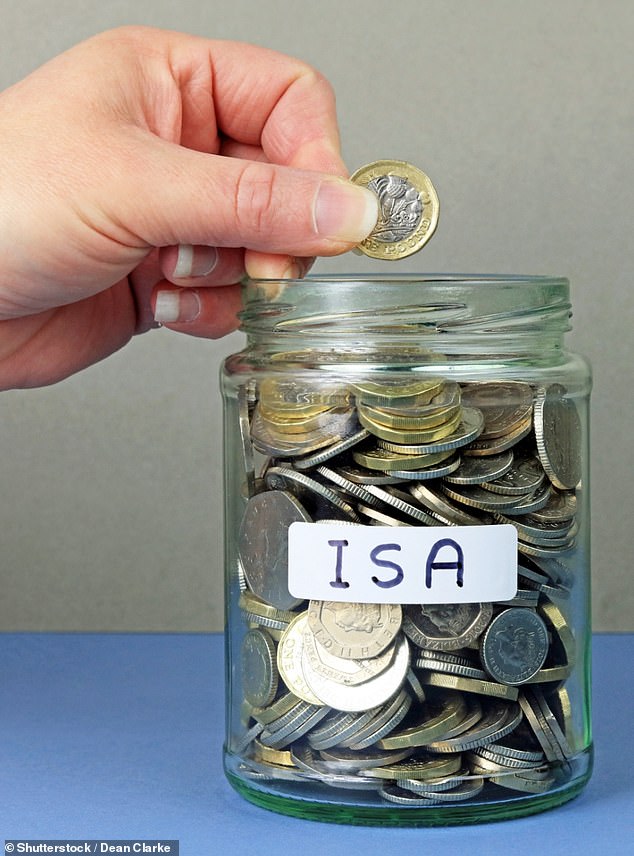
After months of speculation, the Chancellor confirmed the amount that can be put into a cash Isa each year will be reduced to £12,000 in April 2027 for those under the age of 65
The cash Isa allowance might have got the chop, but the overall amount you can save each year remains unchanged.
After months of speculation, Chancellor Rachel Reeves confirmed the amount that can be put into a cash Isa each year will be reduced to £12,000 in April 2027 for those under the age of 65, while the total allowance has stayed at £20,000.
That means couples can still save £40,000 a year between them, with all the gains sheltered from the taxman, as long as they are willing to make use of a stocks and shares Isa to invest at least some of their allowance.
Morgan says: ‘Isas are the first port of call to save and invest flexibly and tax–efficiently.
‘Unlike pensions, they can be accessed at any time and there is no tax to pay on income or gains.’
… And Junior Isas for two make £18,000
The number of parents and grandparents saving for kids has surged as families look to protect wealth from further tax raids.
Financial services company Hargreaves Lansdown said the number who took full advantage of their Junior Isa allowance last year was up 32 per cent.
You can save up to £9,000 a year into a Junior Isa for children from birth to age 18 and, as with an adult Isa, all gains are tax–free.
For a family with two children, that is a potential £18,000 a year that can be safely sheltered from the taxman.
The child will gain control of the account at 16 and be able to access the money at 18, so it is worth speaking to them in advance about what you hope they will do with the money.
Someone who saved the maximum each year could give their child a £300,000 nest egg by age 18, assuming annual investment growth of 6 per cent.
Cash in £6,000 to beat Capital Gains Tax
Capital Gains Tax allowance has been whittled away over recent years. But you can still cash in profits of £3,000 each tax year before the levy kicks in – after which you will pay tax of up to 24 per cent.
Capital Gains Tax applies to gains made on investments held outside of an Isa, including from cryptocurrency investments, from selling a property which is not your primary residence or from selling high value items such as artwork or jewellery.
Those concerned about Capital Gains Tax bills can consider moving their investments into an Isa or pension, where there is more protection.
Sarah Coles, head of personal finance for Hargreaves Lansdown, explains: ‘You can use the share exchange process – also known as Bed and Isa, or Bed and Sipp – where you sell assets and then immediately buy them back in an Isa or pension, protecting them from capital gains and dividend tax in the future.’
Couples can usually hold such assets jointly, or transfer ownership between them, to make use of both partners’ Capital Gains Tax allowance.
It may be worth taking professional advice to ensure this is done correctly.
Dividend allowance could be £1,000
The amount you can earn in dividends tax–free has been slashed back to just £500 in a tax year. It was as high as £5,000 in 2016–17.
Investors were dealt a further blow in the November Budget as Reeves confirmed plans to raise the rate of dividend tax by 2 percentage points to 10.75 per cent for basic–rate taxpayers and to 35.75 per cent for higher–rate payers from April.
The move is expected to raise an extra £1.2 billion a year for the Treasury by 2027–28.
Dividend tax applies to income received outside the likes of an Isa or pension – for example, dividend payments paid to company directors or to investors holding shares outside of an Isa.
Today, you could breach your allowance with a shareholding of £10,000 that yielded anything more than 5 per cent. Spouses can move investments between them to make sure they make use of both of their allowances and ensure the lower–rate taxpayer holds the greatest share.
Savings allowance is worth £6,000
The personal savings allowance is the amount of interest that can be earned from cash stored in the bank before it becomes liable for income tax.
Basic–rate payers can earn £1,000 each tax year before breaching their allowance, higherrate payers £500 and additional– rate payers get no allowance. A higher–rate payer with £10,000 in an account paying 5 per cent would reach their limit.
Savers need to be more mindful of breaching this allowance than ever from April 2027, when tax on savings income above this amount will increase by 2 percentage points to 22 per cent for basic–rate taxpayers, 42 per cent for higher–rate payers and to 47 per cent for additional rate payers.
Low earners can pocket more, however.
Under the starting rate for savings, those with earnings below £12,570 can receive interest of up to £5,000 before any tax is due. They then get the usual £1,000 allowance for basic–rate taxpayers on top of this.
This means an individual could have £120,000 in cash savings earning 5 per cent interest before they breached their allowance (although it is worth pointing out that most people with this much in cash should consider investing).
‘For couples, this means the most tax–efficient option is to keep cash held in bank and building society accounts in the name of the non–taxpayer,’ says Morgan.
You can earn up to £12,570 tax–free

The income an individual can earn before tax – £12,570 – can be used on money from rent
The personal allowance is the amount of income that an individual can earn before paying any tax.
It is currently £12,570, where it has been frozen since 2021 and where it will remain until 2031.
For a non–working partner in a couple, the allowance can be used on income from rental property, savings and investments held outside an Isa or pension, and any pension income they receive.
A high earner starts to lose their personal allowance once they earn more than £100,000 – for every £2 earned above this threshold, they lose £1 of the allowance, until at £125,140 it is gone entirely.
Premium bonds might save you £200,000
People of any age can put a maximum of £50,000 into Premium Bonds, and any prizes are tax–free. For a family of four, this means a potential £200,000 can be saved between them.
Premium Bonds are a type of savings account run by the Treasury–backed institution National Savings & Investments (NS&I).
However, instead of paying a guaranteed rate of interest, bondholders are entered into a monthly draw to win prizes ranging from £25 up to two £1 million jackpots. Each £1 bond gets you one entry to the draw.
The main appeal of Premium Bonds is the chance to win the jackpot, and the fact that all prize wins are exempt from tax.
But those whose priority is to grow their money may do better elsewhere.
Premium Bonds have what is called an effective prize rate, which is the percentage return you should expect to win on average based on the amount you hold in the bonds. It is currently 3.6 per cent. However, there are no guarantees and approximately three quarters of holders have never won anything at all.
The odds of winning the jackpot are an incredible 66 billion to one, and the chances of winning any prize are 22,000 to one.
Up to £4,000 from your home and side hustles

Individuals have a £1,000 annual trading allowance for income earned outside of their main job
Those with a side hustle or storage space to spare can pocket some extra cash without paying any tax. Individuals have a £1,000 annual trading allowance for income earned outside of their main job. This can include anything from babysitting or dog–walking to selling upcycled furniture or arts and crafts.
Meanwhile, the property allowance also lets you earn £1,000 each tax year from income made from your home.
This could include leasing your driveway – something that is easy to do through apps such as JustPark and YourParking Space – or loaning space in a shed or garage for storage.
Couples can use both allowances, giving them the opportunity to earn a combined £4,000 tax–free.
If you are considering making money from your home, be sure to speak to your insurer first to check you are not in breach of the terms of your cover. Bear in mind that if you breach either of these allowances, you will then have to declare the income through a self–assessment tax return.
£7,500 from renting out your spare rooms

Homeowners with a spare room can take advantage of the Rent a Room Scheme
Homeowners with a spare room can take advantage of the Rent a Room Scheme, which allows homeowners to earn £7,500 a year tax–free.
This is a fantastically underused scheme. Government census figures from 2021–22 found 8.9 million homes have at least two spare bedrooms and a further 8.3 million have one spare. Yet, according to a 2024 government survey, only 6 per cent of adults let out a room.
To qualify, the rented room must be fully furnished and in your main residence, where you must live. It does not apply to a rented annexe or separate self–contained unit on the premises, or to a second home.
Crucially, the allowance is per household, not per individual, so couples cannot double up on this one. The allowance is also the same regardless of how many rooms you rent. If you breach the allowance, you will need to declare your income through a self–assessment tax return. Unlike a buy–to–let, you cannot write off any expenses.