BULGARIA was thrown into chaos last night after its prime minister dramatically quit less than a year into the job.
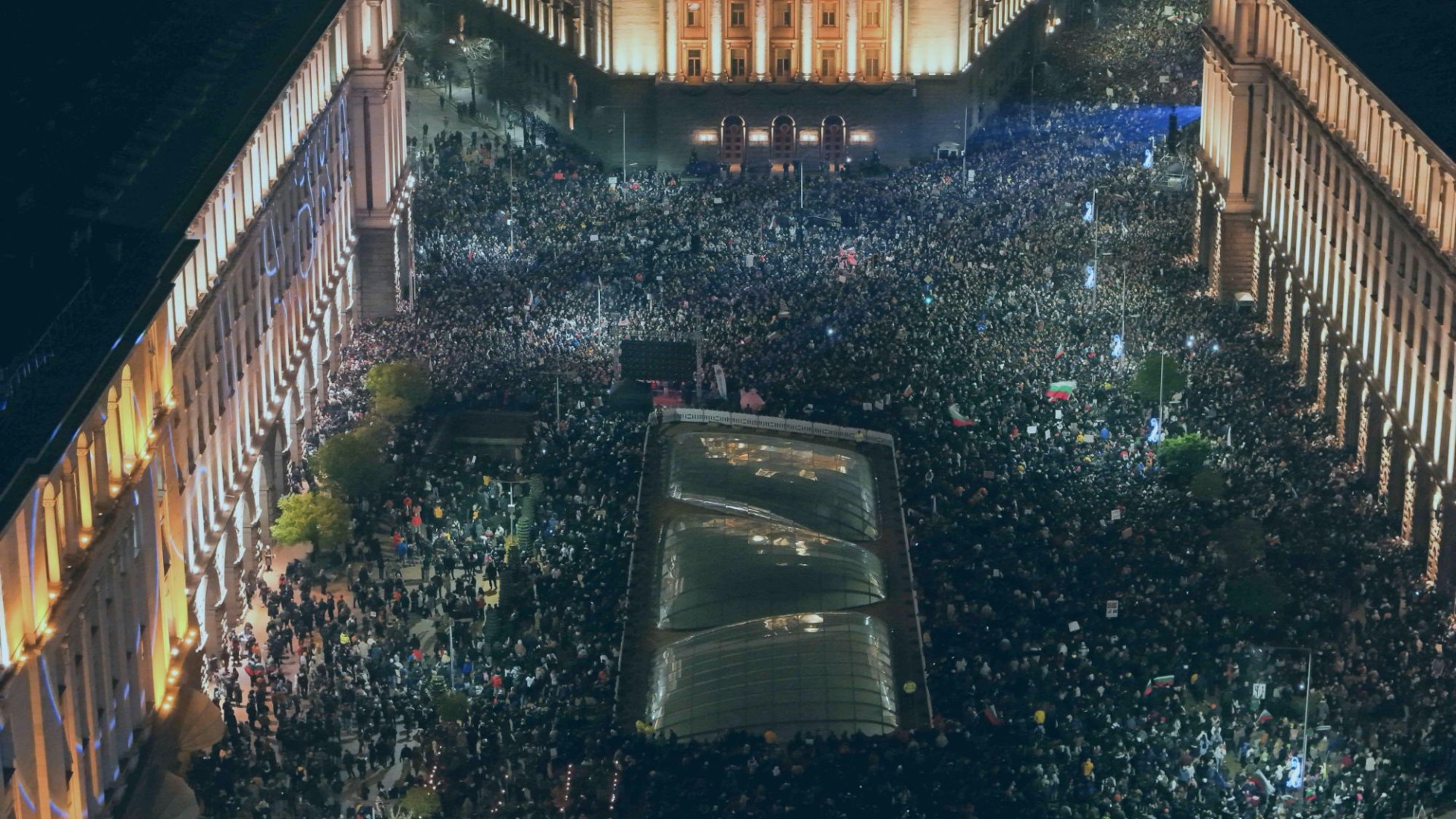
Rosen Zhelyazkov walked away from power as enormous crowds flooded Sofia, demanding his government be kicked out.
His resignation landed just 20 days before the country joins the euro, plunging Brussels into alarm.
The shock announcement came minutes before MPs were due to vote on a no-confidence motion over alleged economic mismanagement.
Zhelyazkov confirmed the collapse of his minority centre-right coalition with a stark message in parliament.
“Ahead of today’s vote of no confidence, the government is resigning,” he told reporters as tensions flared outside.


Protesters had spent days calling out the cabinet for corruption and accusing it of pushing damaging tax hikes.
The fury erupted after a controversial 2026 budget plan proposed higher taxes, steeper social security payments and ballooning spending.
The government later binned the plan – but by then, Bulgarians were already on the streets.
Their outrage grew louder, spreading from last week’s rallies of more than 50,000 people to Wednesday’s huge march.
Drone footage suggested over 100,000 people packed into the capital’s centre, chanting for the government to go.
Students from Sofia’s universities turned out in force, adding fuel to the national backlash.
One figure sat at the heart of the anger: oligarch and MP Delyan Peevski.
He has been sanctioned by both the US and UK and is accused of shaping policy from the shadows.
Opponents claim his MRF New Beginning party kept the government in power while serving oligarchic interests.
Zhelyazkov addressed the growing rebellion directly in a TV statement.
“We hear the voice of citizens protesting against the government,” he said.
“Both young and old have raised their voices for [our resignation]. This civic energy must be supported and encouraged.”
He later added in parliament: “The decisions of the National Assembly are meaningful when they reflect the will of the people.”
Media reports said the words “Resignation” and “Mafia Out” were projected across the parliament building as crowds swelled.
President Rumen Radev also stepped in, publicly backing calls for the PM to quit.
“Between the voice of the people and the fear of the mafia – listen to the public squares!” he urged MPs.
Zhelyazkov’s government had already survived five previous no-confidence votes – and was expected to scrape through a sixth.
But the demonstrations proved too powerful to ignore.
Many protesters also targeted former prime minister Boyko Borissov, a dominant figure in Zhelyazkov’s GERB party.
Wednesday’s rally ran under the slogan: “Resignation! Peevski and Borissov Out of Power.”
Borissov, whose own government fell amid anti-corruption protests in 2020, had reportedly said the coalition intended to stay in office until the eurozone switch on January 1.
His plan clearly didn’t survive the night.
Despite the political meltdown, experts say Bulgaria’s eurozone entry is still expected to go ahead on schedule.
The prime minister insisted the country now faces a pivotal moment.
He said Bulgaria must produce “authentic proposals” for what its next government should look like.
Under the constitution, the president will now invite parties to attempt forming a new cabinet.
If they fail – as many expect – an interim government will take over until fresh elections.
For now, Zhelyazkov’s ministers will remain in office until a successor is chosen.
With 7 elections since 2020 and chronic corruption concerns, Bulgaria ranks among Europe’s most troubled governments, according to Transparency International.
But last night’s message from the streets was clear: the public has had enough.