After more than four weeks of war in the Middle East, Europe has seen the world’s biggest growth in hotel bookings – with average nightly room rates up a staggering 42 per cent.
Overall, amid the ongoing Iran conflict, hotels across Europe have performed the best.
The combined growth in booking numbers and average rates has seen Europe experience the biggest growth in revenues, combined with a fall in cancellations.
Not only are room rates soaring, but bookings are up 37 per cent.
Meanwhile, cancellations are down 71 per cent.
The data, from HotelPlanner.com, assessed bookings from 28 February to 27 March in both 2025 and 2026 to compare the numbers.
Other parts of the world have been affected by the ongoing conflict.
Overall, the Middle East is the most negatively impacted region.
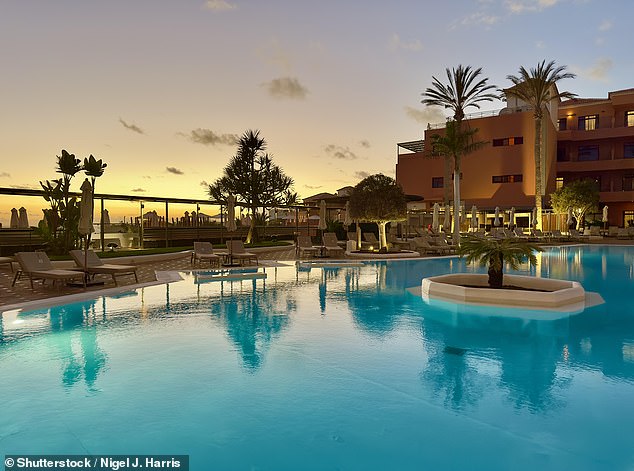
Hotel bookings in European destinations such as Spain are booming
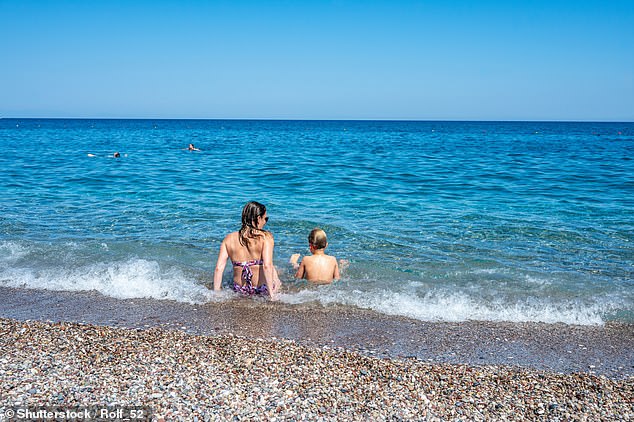
Instead of heading further afield, many are choosing to travel to Europe amid the ongoing war
Unsurprisingly, bookings are down 63 per cent, average nightly room rates are down 28 and cancellation rates are up 163 per cent.
The US and Israel first launched strikes on Iran on February 28 and tourism across the region has been in freefall ever since.
Hotels in the Middle East are suffering as a result.
Africa is the second most negatively impacted region – however, cancellations have gone down.
Here, bookings are down 54 per cent, average nightly room rates are down 15 per cent and cancellation rates are down 75 per cent.
Latin America, the Caribbean and Central America are the third most negatively impacted regions, but average room rates have not fallen nor have the cancellation rates increased.
Bookings are down 18 per cent, nightly room rates are up 6 per cent and cancellation rates are down 30 per cent.
Asia is mostly up on 2025, as bookings have increased by 19 per cent, but rates have fallen and cancellations risen.
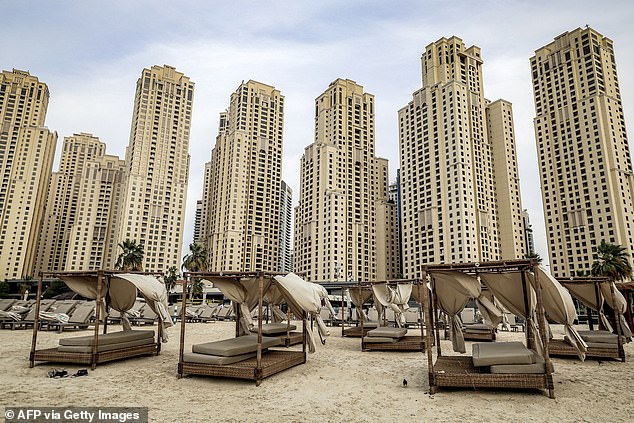
Meanwhile, hotels in the Middle East are deserted, with photographs showing empty beds in front of buildings along a beach at Jumeirah Beach Residence in Dubai last month
North America is considerably up on 2025 in terms of bookings, rates and less cancellations.
Hotelplanner CEO and co-founder, Tim Hentschel, said: ‘Mediterranean favourites like Turkey and Cyprus are still welcoming tourists, although Cyprus has seen some flight cancellations and some hesitation from travellers.
‘As an alternative, many Brits appear to be opting for closer-to-home European breaks instead of long-haul trips. Destinations such as Malta, Portugal, Croatia and Italy have seen a boost in interest around the Easter school holidays, with approximately twice the number of Easter bookings compared to the same period last year.
‘This shows travellers are looking for easier to reach destinations which are less likely to be affected by airspace closures or regional tensions.’
He went on to say: ‘At the moment, hotel room rates aren’t spiking as some might have expected and that’s because there is an element of caution from within the industry.
‘The crisis in the Middle East, flight disruption and pictures of damage in such a mainstream destination such as Dubai has dampened consumer confidence to travel overseas. As such, now is not the time for these hotels to raise prices through the roof when confidence isn’t at its highest.
‘But, don’t be surprised if prices skyrocket for summer/autumn travel in Europe and North America, as hoteliers know the competition for travel has shortened with Dubai feeling the hit.
‘With less competition comes less competitive pricing which isn’t good for the consumer. This is where third party booking platforms can do the work for you in finding the best possible rates.’
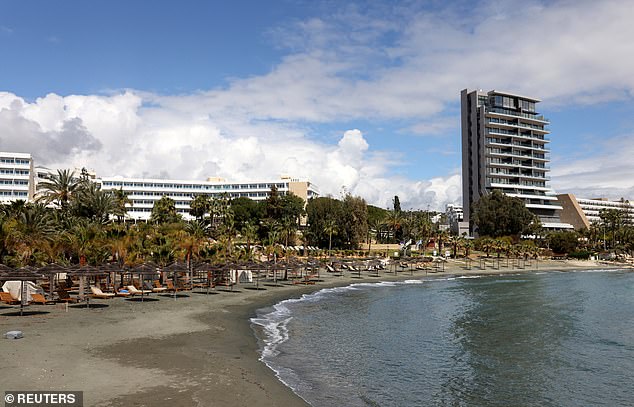
Beaches in Limassol, Cyprus, are usually packed with tourists enjoying the sunshine – but last week, many were left empty

The main strip in Protaras was left without its usual bustling crowds – with shops closed, restaurants empty and no tourists in sight
It comes as travel agents across the country have highlighted which countries and areas are seeing a surge in interest instead.
Unsurprisingly, the countries seeing a boom are mainly located in western Europe – although a large number further afield have seen greater interest too.
Italy, Spain, Malta and Croatia are on the rise, highlighting the appetite Brits have for these much-loved holiday hotspots.
Marbella, which has long enjoyed its reputation as Spain’s most glamorous resort town, is seeing an increased interest from tourists.
With getaways to the UAE firmly on pause, Marbella is likely to be poised for its busiest summer in a while.
Bethany Hall, a travel expert with over 17 years in the industry, told the Daily Mail: ‘Some travellers who might previously have chosen Dubai or other long-haul luxury destinations are now leaning back towards Europe.’
Jonathon Woodall-Johnston, from travel agency Hays Travel, also said there was particularly high demand for trips to Italy, Malta and Croatia.
And hotel costs have been greatly affected by the ongoing Middle East conflict.
Some places have been badly affected, especially in the Middle East – and Cyprus.
Spooked British tourists have started cancelling their holidays to Cyprus with hotel bookings down 40 percent on the island as war rages in the Middle East.
The US and Israel launched attacks on Iran just as Cyprus’s tourism industry was reopening after winter.
Then, on March 2, as Iran launched a series of counter-strikes, a drone struck a British naval base on the island, triggering a wave of tourist cancellations.
The drop in bookings is the latest sign of the war’s broad fallout, from disrupted oil flows to mass flight cancellations and worsening economic outlooks worldwide.
Daily cancellation rates for short-term rentals in Cyprus shot up from around 15 per cent before the conflict to as high as 100 per cent in the days after, according to data from US-based AirDNA, which tracks such bookings.
That figure has since dropped, but remained around 45 per cent by March 21. Greece and Turkey saw slight rises in cancellation rates, too.
Cyprus’ Hoteliers Association has seen a near 40 per cent drop in March bookings and a similar reduction in April, according to the association’s director-general, Christos Angelides.