MORE than 100 families have built an entire town beneath a busy motorway.
But even in the cramped and squalid conditions in a tunnel, they still have access to electricity – and even a shop.
Around 300 people are part of the community below the San Andres Bukid highway, which runs through the Philippines capital Manila.
The tunnel town has makeshift houses packed into the dark, with people who can’t afford to live anywhere else calling it home.
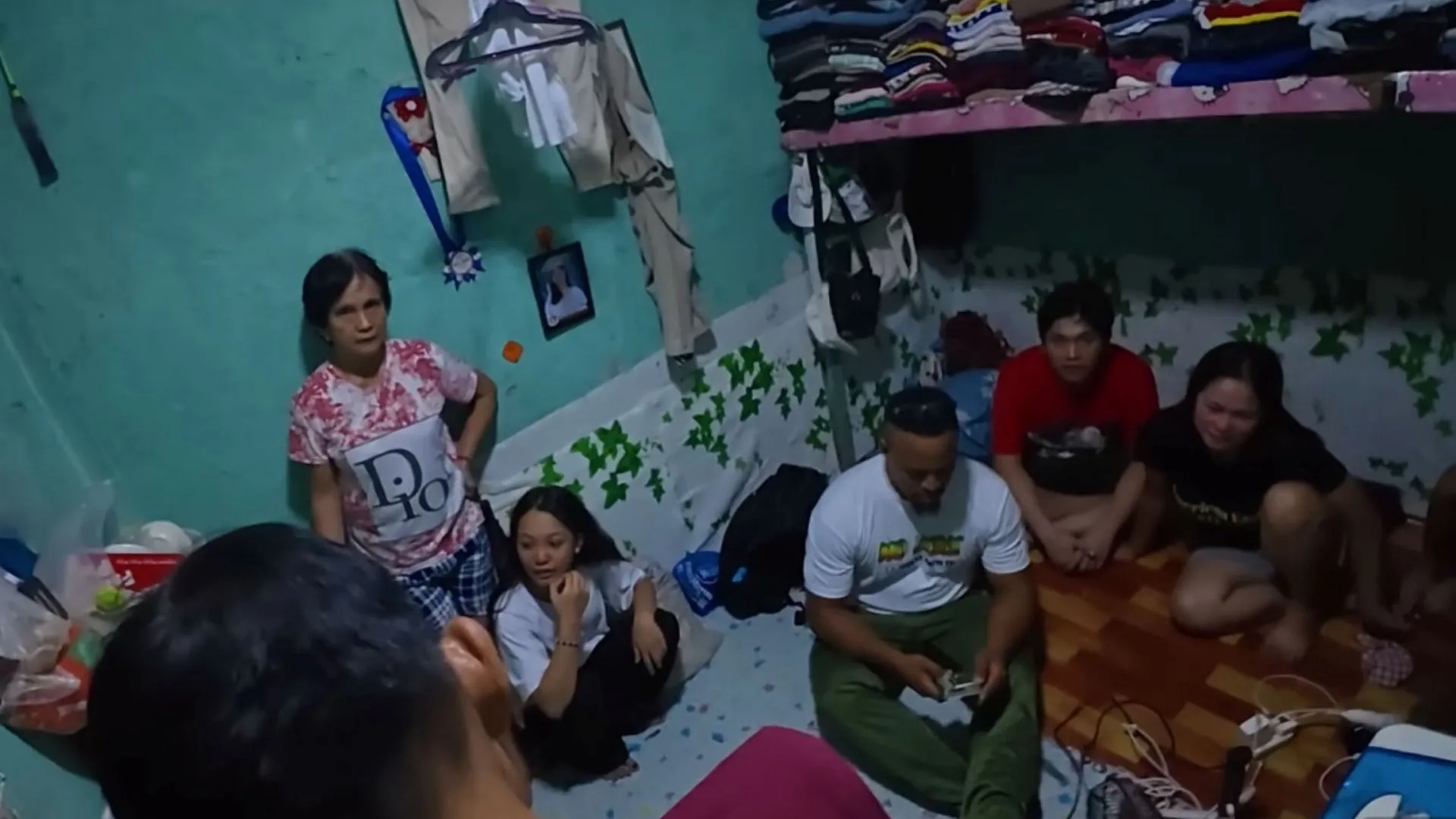
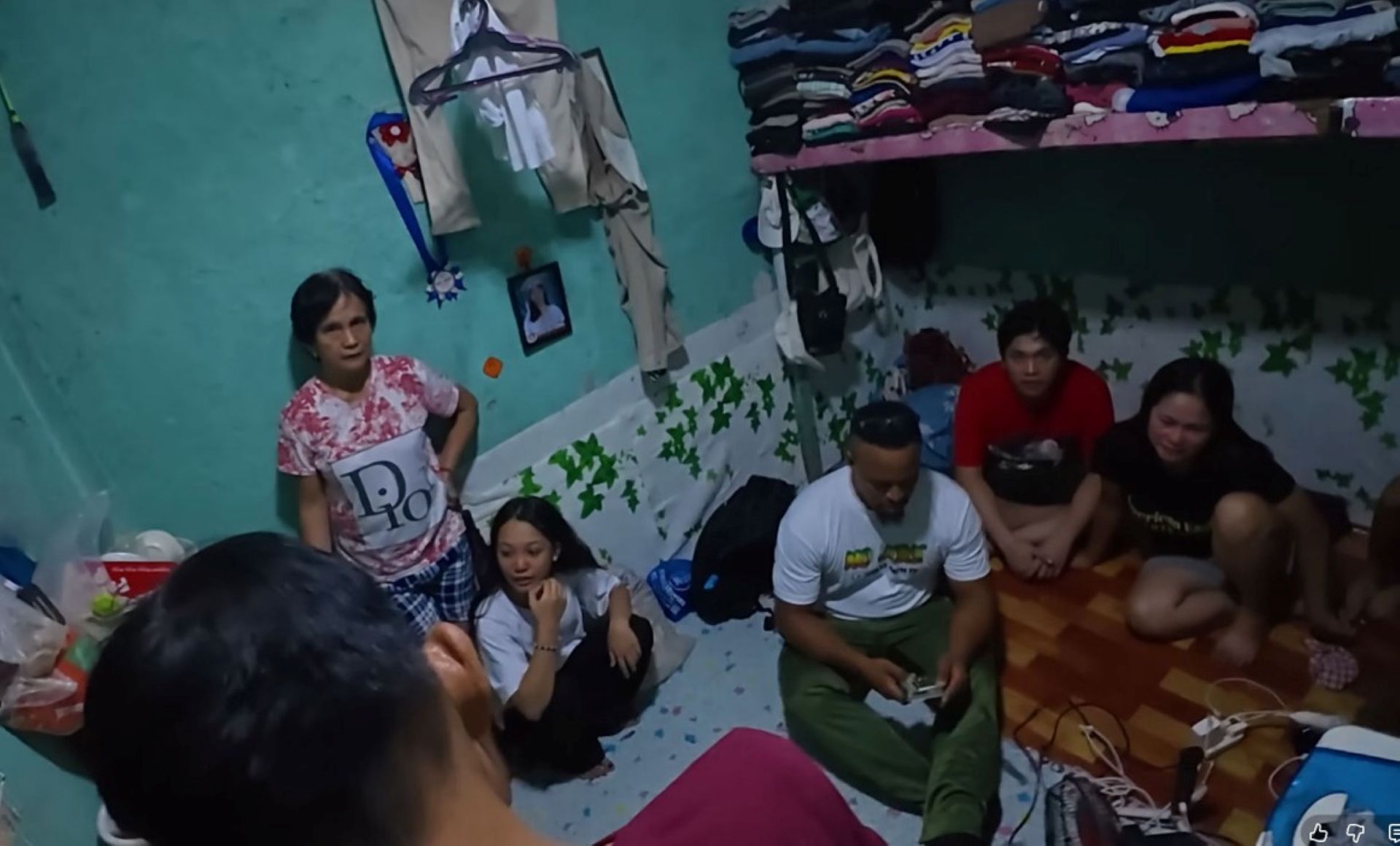
Entire families are forced to live and sleep almost on top of each other, crammed into the tiny rooms tidily organised with all their belongings.
One group of eight relatives sleep together in a single room beneath a shelf packed with all their folded clothing.
Dirty water, grime and tunnel filth plagues the area directly outside their door, but the family manages to keep the inside of their space clean.
One of the methods used to keep the muck at bay is by everyone removing their shoes at the door – leaving the tunnel sludge outside.
Manila – the massive capital city of the Philippines – is home to more than 13 million people.
As the city’s population skyrockets, those living in poverty continue to suffer the most.
The poorest families have been left with no choice but to retreat to spaces never meant for living.
World Help – a not-for-profit humanitarian organisation – said the hostile economic conditions have left families taking up house and home wherever they can find space.
The conditions have left people living under bridges, inside the city slums’ notoriously tiny homes and even in a cemetery.
Crammed into miniature rooms sometimes unable to stand at full height, families under the San Andres Bukid highway are surrounded by hanging clothes and mattresses.
Despite the squalor the tunnel has been rigged with electricity, giving residents access to lights and one family even with a washing machine.
Precious is a pregnant 18-year-old who lives under the freeway with her husband, daughter, sibling, her mother, and her mother’s husband.
She said the hardest part of life under the busy road was when it rains, which forces them to abandon their homes.
“The Department of Social Welfare and Development come here and say we have to evacuate to another place,” she said.
During heavy rain and flooding, everything inside the tunnel is destroyed.
Families often have to evacuate immediately as the water can reach the roof.
Despite this, families like Precious’ are not bothered by the living conditions.
“We’re very happy. It’s one big happy family,” she said.
The teen has called the tunnel home for five years.
The average wage in Manila ranges between 23,000 pesos (£288) and 45,000 pesos (£563) a year.
In the tunnel, electricity costs residents £17.84 a month and rent £10.41 – they don’t pay for water as it’s free.
Some families will simply erect a wall and rent spaces – costing between £8.92 ($12) and £15 ($20).
But the cheap living situation comes at a different cost.
The lack of restrictions and boundaries often leaves people sharing their space with cockroaches and rats.
The community also has access to a shop – set up near one of the tunnel entrances.
Ate, a mother-of-two, has been living in the tunnel for her entire life.
She said her husband doesn’t have a job, with the family only making money by scavenging things to sell.
Another 83-year-old grandmother has also lived in the tunnel for her whole life.
She is the eldest member of the community.
When asked about her lifestyle beneath the roadway, she smiled saying: “I am happy”.
Travel blogger and YouTuber Drew ‘Binsky’ Goldberg featured the tunnel community in a 30-minute documentary posted to his YouTube channel.
Goldberg is known for his coverage of “dark tourism” where he previously got an inside look at “America’s most satanic cult”.
He was guided through the tunnel by former resident Edwin, getting a first-hand peek beneath the surface.
Edwin revealed that he had lived beneath the freeway as a teenager, saying people turn to the lifestyle due to expensive city rent.
The residents living underground have no other housing options, with some people continuing to live in the tunnel for financial security and benefits.
Goldberg said as he ventured deeper into the tunnels, the “unbearable smells” got worse.
“There’s trash everywhere, it’s like sewage water. It’s narrower and tighter and super, super humid and sticky,” he said.
“And everywhere you look there’s just another family that’s living here.
“It’s one of the most absurd living situations I’ve ever seen in my life.”
The documentary has been viewed 6.5 million times since Goldberg posted it to YouTube just one month ago.
The video has attracted more than 9,500 comments from people shocked by the locals’ challenging living conditions.
One viewer said: “I think every human needs to watch these videos to stay in touch with the reality of the world we live in.”
“Let us stay kind, humble, and above all else grateful,” they added.
Another commented: “Life feels different when you realise that what you call “normal” might be someone else’s dream.”
Goldberg said that even though it was heartbreaking to witness, the experience left him “somehow still full of light”.
“Even with almost nothing, these families keep showing up with joy and resilience,” he said.