THE chair of a popular UK energy firm has warned that Government plans to slash energy bills by £150 could be in doubt as the Iran war triggers doubled gas prices.
Last November, Chancellor Rachel Reeves said that £150 would be cut from the average household bill from April 2026.
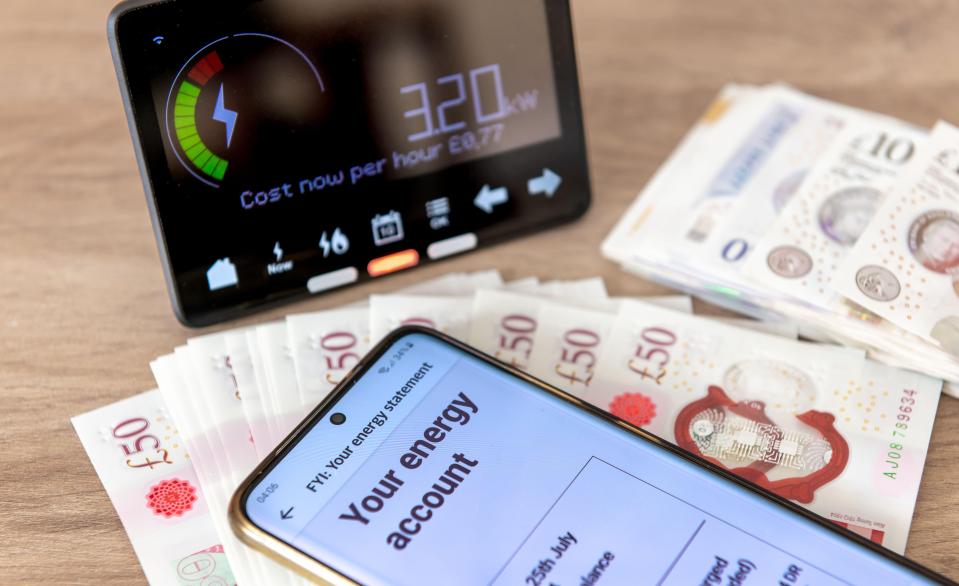
The boost has come from scrapping the Energy Company Obligation (Eco) scheme introduced by the Tories in government.
But these plans could be wiped out with energy bills predicted to spike later this year due to US-Israeli strikes on Iran.
Derek Lickorish, Utilita chairman, told Times Radio this morning that he “cannot see how” the government will be able to keep its pledge to reduce energy bills.
“The war doesn’t show any signs of coming to an end, there is big anxiety. How high will gas prices go? We just don’t know,” he told listeners on Monday morning.

He added that the government’s promise of £150 off energy bills is “absolutely” in doubt if the war continues.
The ongoing conflict has wreaked havoc on the Middle East and disrupted important trade routes for oil and gas.
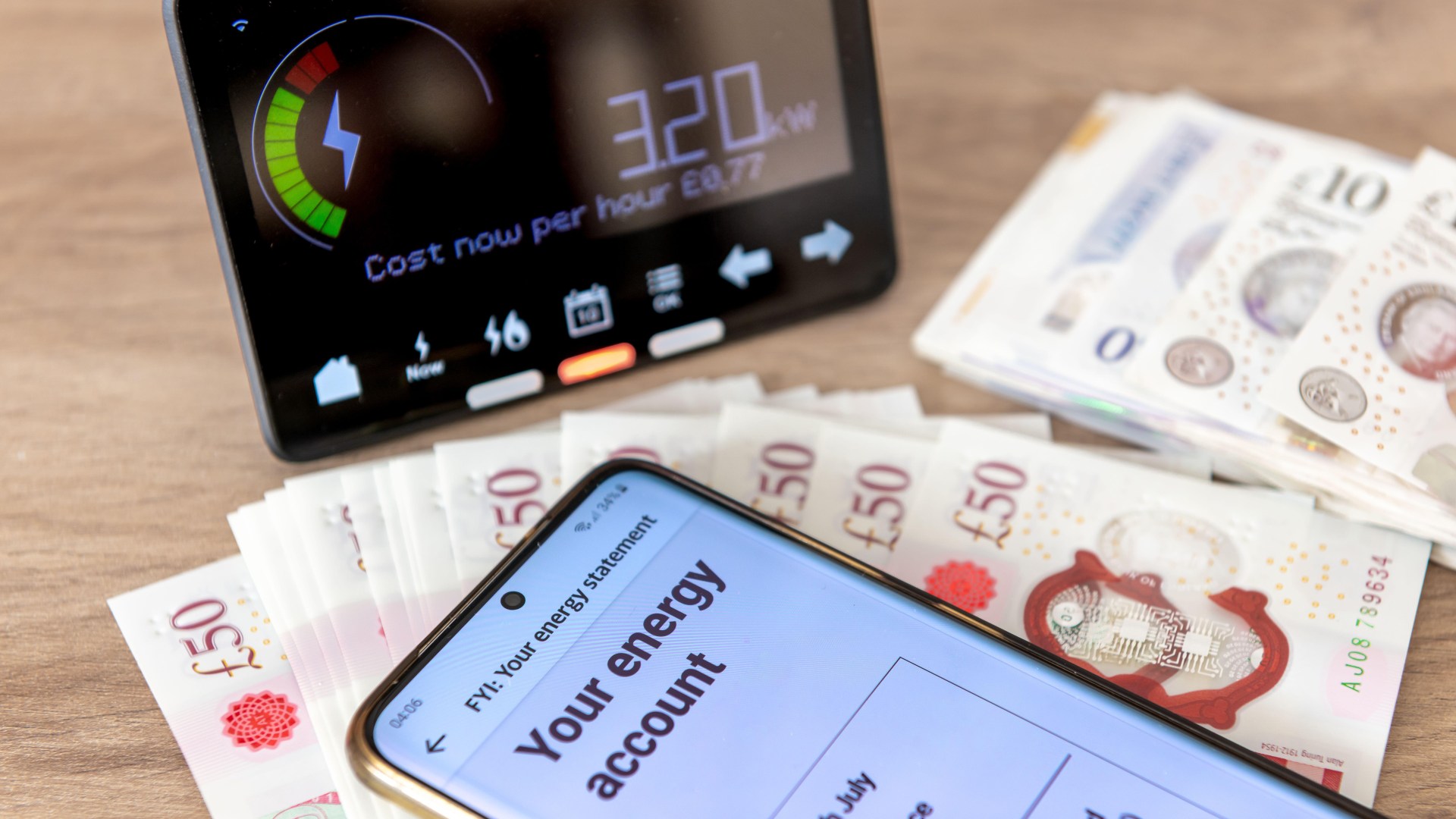
Analysts at Cornwall Insight have suggested the average annual bill could jump by £160 to £1,801 when the next price cap is set on July 1, fueled by rising wholesale prices due to conflict.
UK wholesale gas prices have already hit a 12-month high and nearly doubled in the space of a week.
Dan Coatsworth, head of markets at AJ Bell, said these event imply the price cap might have to be raised by a “very large amount” for the July to September quarter if “wholesale energy costs don’t retreat rapidly”.
“This situation suggests that near-term reprieve on energy bills could be a false dawn, so don’t go splashing the extra cash thinking you’ve got more disposable income permanently.”
Meanwhile, Richard Neudegg, director of regulation at Uswitch.com, said that if the turbulence in the energy market continues, “Ofgem will have to take these increased costs into account”.
Steve Webb, partner at pension consultants LCP also warned that older and poorer pensioners will be “hardest hit if energy prices spike”.
“It is vitally important that this group is supported to claim the existing help that is available with energy bills, but much more will need to be done if the cost of home heating jumps.”
A DESNZ spokesperson said: “We’ve taken an average of £150 of costs off energy bills from April and our mission for clean power by 2030 will get us off the rollercoaster of fossil fuel prices, to cut bills for businesses and households for good.”
How to save on your energy bill
You could save hundreds of pounds a year on your energy bill by locking into a fixed-price energy deal.
These tariffs lock the price per unit of gas and electricity for a set period of time, for example one or two years.
By taking out one of these deals you are protected from price rises, which can give you certainty about how much you will pay.
To find the best fixed energy deals, use a price comparison website, such as Uswitch.com or Compare the Market.
Just enter your postcode and current usage deals to receive a list of deals that are available to you.
You can then compare the rates, contract lengths and additional features and benefits of the deals.
You should also go directly to the suppliers’ websites as they sometimes offer special promotions or discounts to customers.
Another cheap way you can cut bills is by blocking any draughts from doors and windows around your home, using draught excluders.
This could save you up to £50 a year, according to the Energy Saving Trust.
Turn down your thermostat by just one degree. This could save you £90 a year on your heating bill, the Energy Saving Trust says.
For most people, the most comfortable temperature to heat your home at is between 18 and 21 degrees.
Check if you’re owed energy bill help from the government or your supplier.
Several energy firms have schemes available to customers struggling to cover their bills.