IT’S not secret that being a parent can be pretty stressful, but one mum has found a way to keep herself and her little ones happy: Empty weekend parenting.
The trend simply involves doing less Jen Barton Packer told NetMums, and it’s more fun than it might seem.

Rather than feeling the pressure to pack weekends full of fun activities, clubs and other social activities, the trend means parents and kids can go with the flow.
“I became an ’empty weekend parent’ by accident, years ago,” Jen explained.
“I wish I could take the credit for resisting the activities, parties and playdates on offer for my four kids (netball! football! art! climbing walls!) but it was my husband who showed me it was OK to say ‘no’ to busy weekend schedules. (Even though most of the other parents around us were doing it, and I didn’t want my kids to miss out on anything.)”
Jen said since starting the trend she’s noticed plenty of benefits, especially when some downtime is needed for the whole family.


Of course, everyone being at home at the same time comes with it’s own problems, like arguments and mess, but it’s all worth it as far as Jen is concered.
In fact, since taking a step back from a jam-packed weekend, the mum said she’s been able to bag herself a cheeky lie-in too.
“I’ve also found I can make pronouncements like ‘it’s book morning’ or ‘family exercise time’ and manage to do things like read a chapter of a novel (occasionally with a child reading next to me). Which is quite satisfying,” she added.
And as a mum of neurodivergent kids, Jen noticed the much needed rest time was great way to reset.
Not only that, but it gives kids a chance to work out what they really like doing and how they prefer to spend their time rather than dashing from club to club.
For Jen, one of her kids took up knitting and crochet, whilst the other decided to learn dance routines at home.
There are plenty of activities happening during empty weekends, it’s just that they’re much more relaxed and spontaneous, she noted.
And although getting some downtime at home is one of the benefits of empty weekend parenting, it doesn’t mean you can’t also get out.
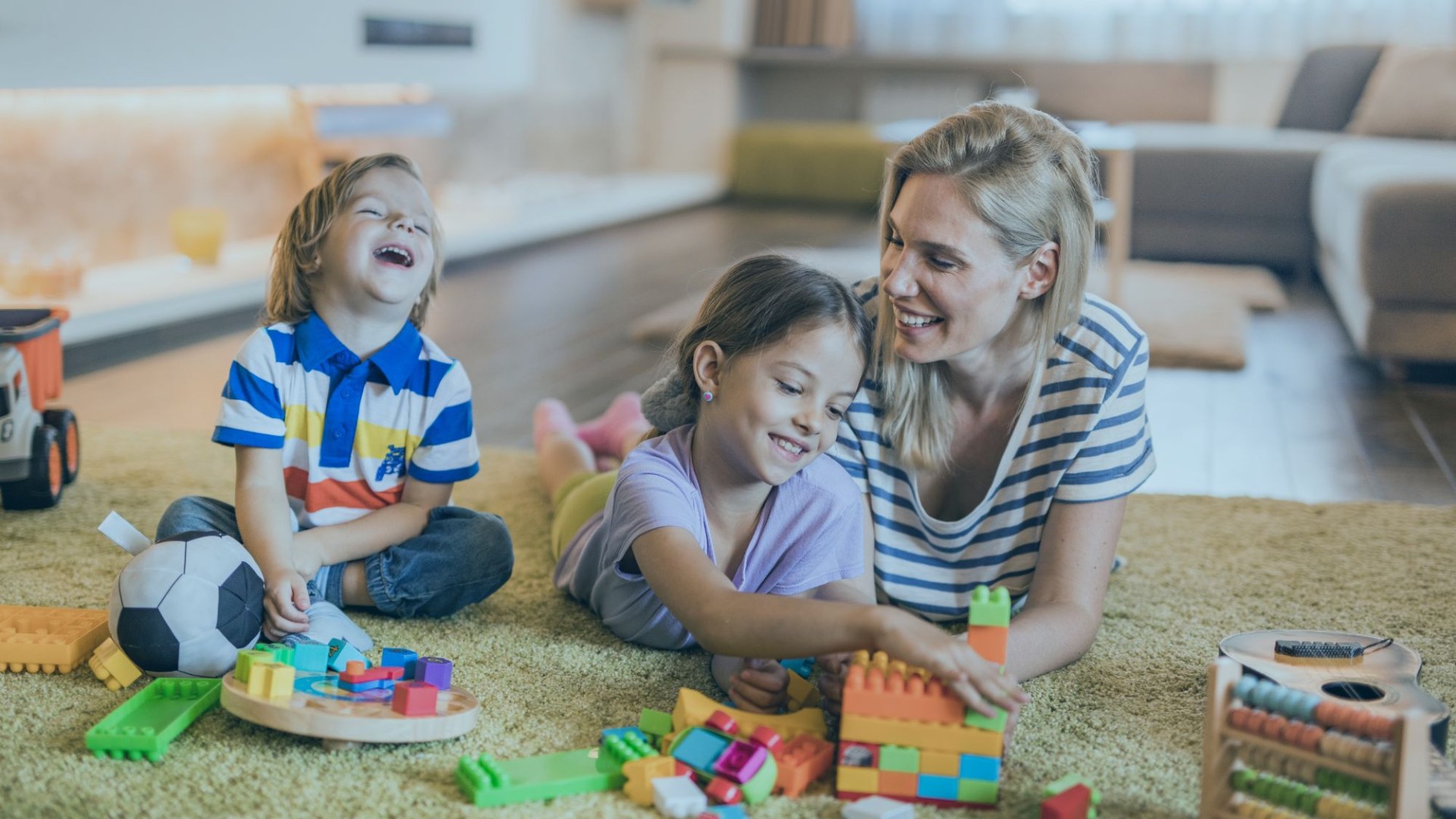
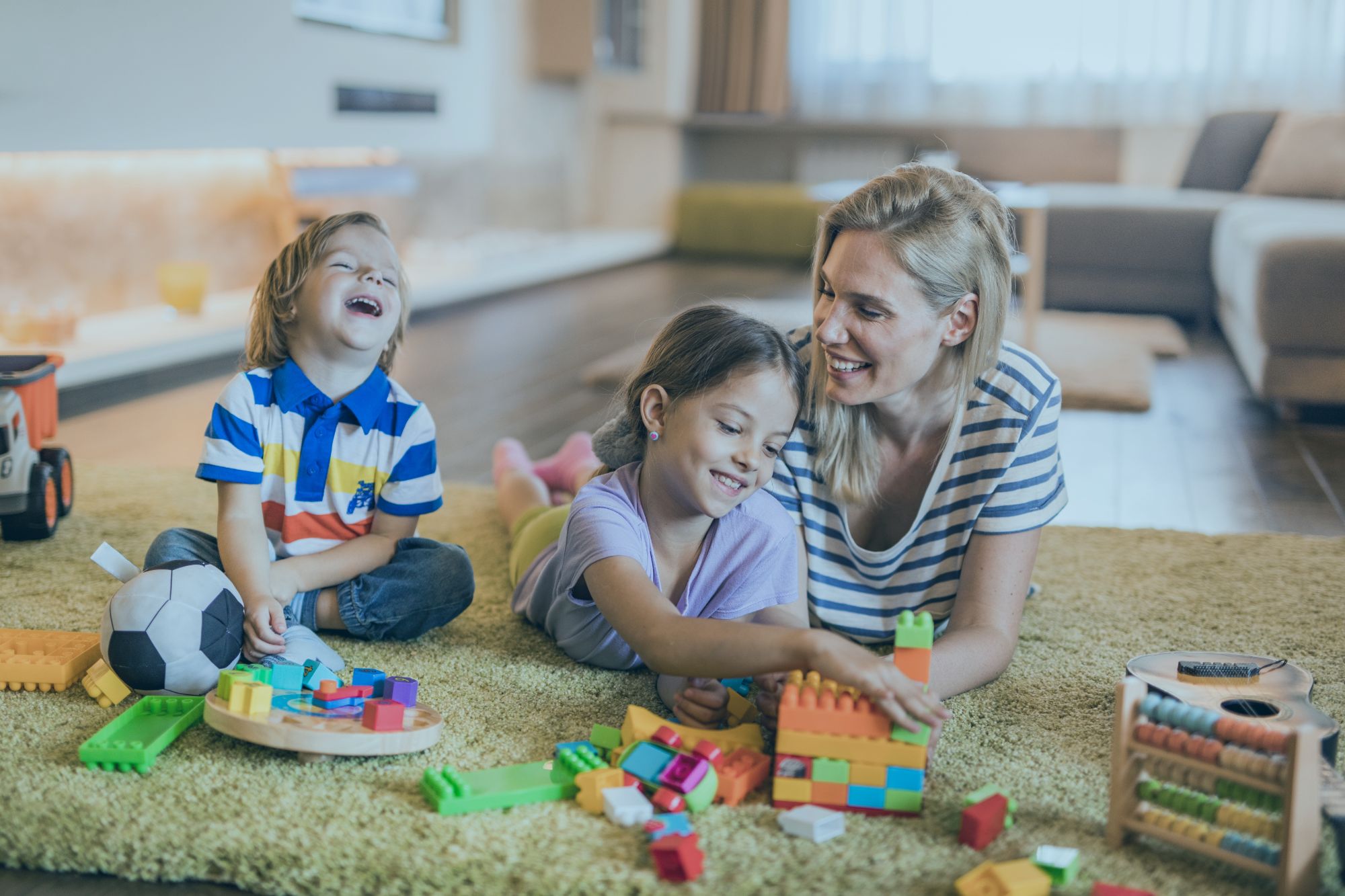
Jen said she likes the spend Saturday at home, watching films playing with Lego, but she might also take her kids to a museum, or to the library.
The spontaneous nature of it all makes it feel like more of an adventure, plus plenty of museums have free activities for kids on the weekend, so it’s a win-win.
Different parenting techniques
Here are some widely recognised methods:
Authoritative Parenting
This technique will often foster independence, self-discipline, and high self-esteem in children.
It is often considered the most effective, this technique is where parents set clear expectations – enforcing rules – whilst also showing warmth and support.
Authoritarian Parenting
This is opposite to authoritative parenting, as it is where the parent sets high demands but is low on responsiveness.
It involves ensuring the child is obedient and often employ punitive measures. While this can lead to disciplined behaviour, it may also result in lower self-esteem and social skills in children.
Permissive Parenting
Permissive parents tend to be indulgent and lenient, often taking on a role more akin to a friend than an authority figure. They are highly responsive but lack demandingness, granting children a lot of freedom. This method can nurture creativity and a free-spirited nature but may also result in poor self-regulation and difficulties with authority.
Uninvolved Parenting
Uninvolved or neglectful parenting is marked by low responsiveness and low demands. Parents in this category offer minimal guidance, nurturing, or attention. This often leaves children feeling neglected, which can have significant negative effects on their emotional and social development.
Helicopter Parenting
Helicopter parents are extremely involved and overprotective, frequently micromanaging their children’s lives. Although their goal is to protect and support, this approach can hinder a child’s ability to develop independence and problem-solving skills.
Free-Range Parenting
Free-range parenting encourages children to explore and learn from their surroundings with minimal parental interference. This method promotes independence and resilience but requires a safe and supportive environment to be successful.
Attachment Parenting
According to Marriage.com, Attachment parenting focuses on physical closeness and emotional bonding, often through practices such as co-sleeping and baby-wearing. This approach aims to create secure attachments and emotional well-being, but demands significant time and emotional commitment from parents.
Each of these parenting techniques has its own set of strengths and weaknesses. The key is to find a balanced approach that aligns with the family’s values and meets the child’s needs for a healthy, happy upbringing.