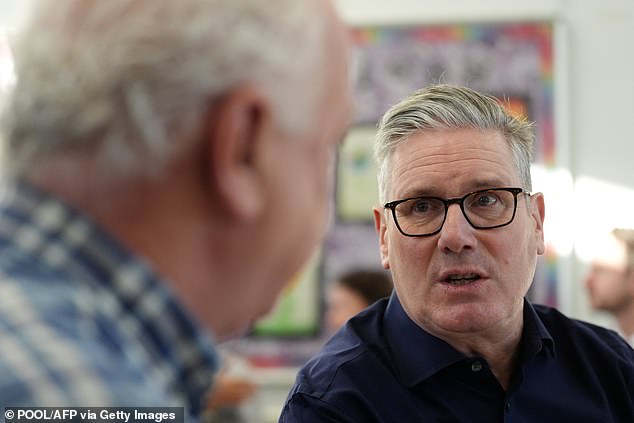
Keir Starmer will tell Cabinet today that he is tackling the cost of living crisis despite more evidence that ordinary families are struggling.
Gathering his senior team for the first time in 2026, the PM is set to talk up his action to ease the pressure.
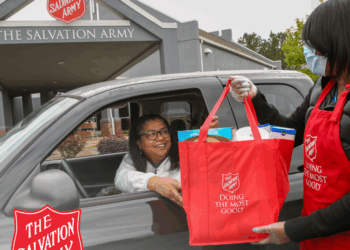
But the meeting comes after figures showed consumers racking up more credit card debts in the run-up to Christmas, with food prices rising.
Amid more leadership jostling, a YouGov poll has found Labour dropping behind the Tories into third place. The 17 per cent support matches the lowest yet recorded for the government, with Reform well ahead on 26 per cent.
Addressing Cabinet this morning, Sir Keir will say: ‘I know many families across Britain are still worried about the cost of living. When I talk to people, they tell me it is the biggest issue they are facing. We are on their side.
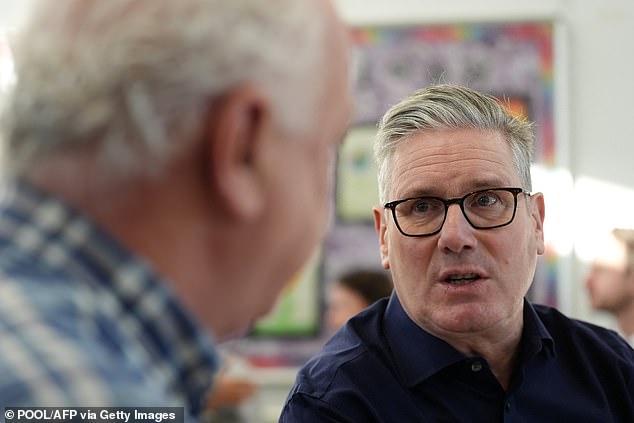
Keir Starmerwill tell Cabinet today that he is tackling the cost of livingcrisis despite more evidence that ordinary families are struggling
‘In a world of uncertainty and upheaval, tackling the cost of living will remain our focus.’
Focusing on the cost of living is clearly the new tactic as Downing Street desperately tries to revive the PM’s fortunes.
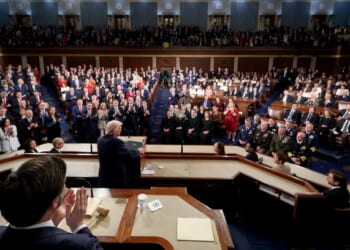
However, the first day of the New Year ‘relaunch’ was completely overshadowed yesterday by fallout from the US operation in Venezuela and questions about Greenland being invaded.
Sir Keir’s ministers are likely to consider the international situation this morning.
They will also hold a political Cabinet session, to be attended by new deputy leader Lucy Powell.
Health Secretary Wes Streeting again had to bat away questions about his leadership ambitions as he toured broadcast studios this morning.
Danish prime minister Mette Frederiksen warned on Monday that a US raid on Greenland would threaten ‘Nato and thus the security that has been provided since the end of the Second World War’.
Sir Keir has said the UK ‘stands with’ Denmark on Greenland, while Mr Streeting told Sky News on Tuesday that the ongoing threat from Russia meant it was ‘not the time to destabilise Nato and undermine our collective security’.