NHS patients should brace for long wait misery over Christmas as doctors’ strikes starting today will hit harder than previous walkouts.
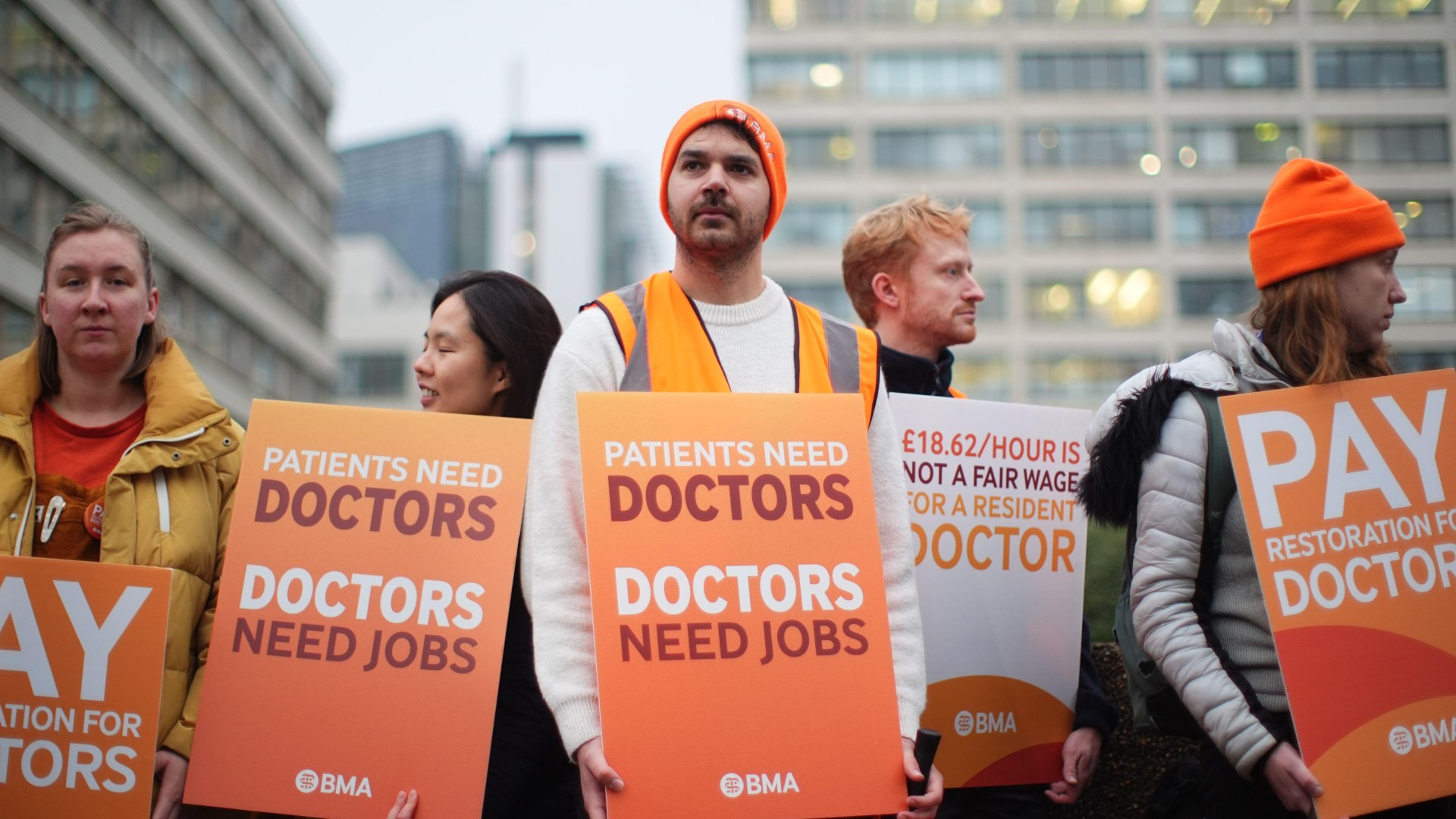
The British Medical Association voted to press ahead with the five-day walkout that will last until Monday.
Health Secretary Wes Streeting called the decision “irresponsible and dangerous”.
It comes at the height of a shock early flu season and thousands of doctors are set to abandon struggling colleagues and patients in a bid for more pay.
The NHS last week said statistics show it is battling an “unprecedented wave of superflu”.
The latest data showed there were enough virus patients in England to fill three hospitals, after the total surged from 1,968 on November 30 to 2,781 on December 7.
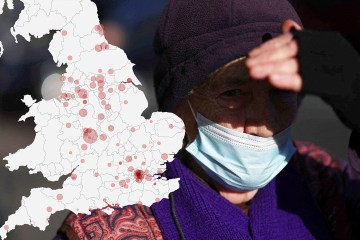
Patients are more likely to feel the impact this time
Prof Meghana Pandit,
Professor Meghana Pandit, medical director at NHS England, said today: “These strikes come at an immensely challenging time for the NHS.
“There are record numbers of patients in hospital with flu for this time of year.
“Staff will come together as they always do but sadly more patients are likely to feel the impact of this round of strikes than in the previous two.
“Staff who are covering will not get the Christmas break they deserve with their families.”
There are now estimated to be more than 3,000 patients in hospitals with flu as experts said the peak was not yet in sight.
This means more beds are full so people cannot be admitted to wards quickly, leading to longer waits in A&E.
NHS England said doctors will have to focus on life-or-death cases during the strike so less urgent patients will face longer waits.
In November, 50,000 casualty patients waited 12 hours or more for a bed on a ward, as well as 54,000 in October.
Three out of four people who go to an emergency department in England spend at least four hours there.
NHS strikes ‘put lives at risk’
Home Secretary Shabana Mahmood said on Sunday: “I think it’s undoubtedly the case that strikes in the NHS do put lives at risk.”
House of Lords member and former NHS doctor, Robert Winston, said: He said: “I think what they are creating is the risk to human life.
“There’s no question about that… I think people will die.”
Strike chiefs reject warnings that their actions put patients’ lives at risk.
Dr Shivam Sharma, deputy chairman of the BMA’s resident doctors committee, said: “Studies have shown that mortality rates do not increase, they stay the same, if not decrease during strike action.
“What’s dangerous for patients is continuing down this trend where doctors are feeling that they’re in a system that is setting them up to fail.”
Health Minister Stephen Kinnock said the union leaders “need to come into the real world”.
This week’s strike is the 14th by resident doctors, formerly junior doctors, since 2023.
They have knocked off 59 days of work in protest at pay and working conditions, with the row continuing despite a nearly 29 per cent pay rise last year.
‘SUPERFLU’ Q&A
WHY is flu so bad this year?
This year’s flu, which has been named H3N2 is a different virus strain from usual.
Our immune systems remember strains we have caught before and are better at fighting them off, meaning we get less ill.
H3N2 has not been around for a number of years, meaning our natural immunity to this version of the virus is low.
More people are getting heavy symptoms — which in turn means it spreads faster, including to high-risk groups such as babies and the elderly who can become severely ill.
What are the symptoms?
The same as regular flu. Most people will feel achy, sore and tired, and may develop a high temperature or a cough.
Other signs of flu can include a dry throat, upset stomach, headaches, difficulty sleeping or a loss of appetite.
What should I do if I get the flu?
Most people can manage at home and will start to recover after a few days with plenty of sleep, rest and drinking lots of fluids.
Take painkillers such as paracetamol or ibuprofen to reduce symptoms, but do not take antibiotics as they work only for bacterial infections and flu is viral.
Call 111 or your GP practice if you are elderly or have a serious health condition and are worried about your symptoms.
Do the same if you are worried about a baby or child’s symptoms. Call 999 or go to A&E if you begin to cough up blood, have sudden chest pain or cannot breathe.
Is the vaccine effective?
Yes. Scientists say the vaccine is a close enough match to the virus for it to reduce the risk of serious illness.
There were some concerns that the virus had mutated and rendered the jab less effective, but our natural protection against this strain is so low that the vaccine will still give the immune system a strong boost.
This is particularly important for high-risk groups, including over-65s, pregnant women, cancer patients and babies and children, who are eligible for free jabs on the NHS.
Why are hospitals struggling?
Hospitals are nearly full almost all of the time, so they have no room for a sudden surge in new patients.
This year has seen the highest demand for services such as A&E and ambulances on record, even before the flu outbreak began.
Clinics are also trying to crush through a massive backlog of non-urgent patients.
Long-term problems with discharging patients mean many beds are blocked by elderly people who cannot safely be sent home.