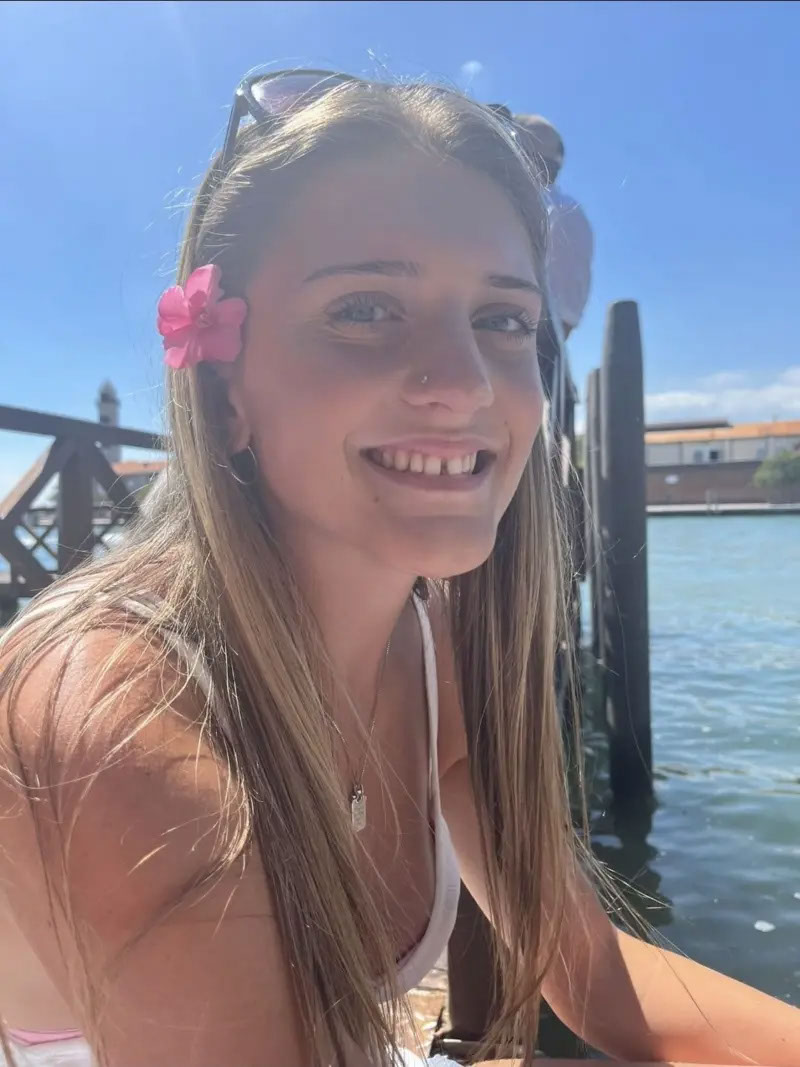
THE heartbroken dad of an 18-year-old girl who died from the deadly outbreak of meningitis in Kent has described his daughter’s tragic 12-hour demise.
Juliette Kenny died just a day after first showing symptoms of the killer bug — as her devastated dad today called for urgent action to better protect young people.
The teen is one of two confirmed victims, alongside a 21-year-old university student, with 27 suspected or confirmed cases now linked to the surge.
Juliette’s grieving father Michael warned further deaths “can be avoided”.
Michael said “no family should experience this pain and tragedy” as he urged the Government to improve access to the MenB vaccine for those still at risk.
Her dad said: “Juliette fought bravely for hours, but despite the fantastic NHS hospital staff fighting alongside her, meningitis took her from us less than 12 hours later.


“We were with her at the end, and the last sounds that she heard were the voices of those who loved her telling her how very much loved and cherished she is.”
The Year 13 pupil, who had just completed her PE A-level practical, first fell ill in the early hours of Friday after vomiting.
By the morning, a worrying discolouration had appeared on her cheeks, prompting her parents to rush her to an emergency clinic before she was taken to A&E by ambulance.
Despite medics battling to save her, Juliette tragically died less than 12 hours later.
As the outbreak spreads, health chiefs have widened a vaccination drive to anyone who visited a Canterbury nightclub between March 5 and 15.
The nightclub is believed to be the source.
Earlier this week, The Sun revealed 21-year-old Keeleigh Goodwin is believed to have become infected after sharing a vape at Club Chemistry.
Previously, only university students in halls had been offered the jab.
In a touching tribute, Michael added: “We are incredibly proud parents to two wonderful daughters.
“Juliette is a force in this world. With her beautifully positive energy she spread fun, love and happiness to those around her and she continues to do so now.
“The devastation of her loss to us, her family and friends is immeasurable.
“Sharing stories of the empathy, warmth and fun that she created is helping her family and friends through at this time.
“Her energy continues to make the people who love her find a way.”
Along with the Meningitis Research Foundation, Mr Kenny and his family are calling for the UK to take urgent action to improve access to the MenB vaccination for teenagers and young people.
“No family should experience this pain and tragedy,” he said.
“This can be avoided. There are young people currently battling this and young people still at risk.
“As parents, we knew our children would change the world and be a force for good.
“The work to protect young people has started. It needs to be more.
“Juliette’s impact on this world must be lasting change. Now is the time to ensure families are safe from the impact of meningitis B.”
It comes as more than 100 students in Kent were turned away while trying to get a meningitis vaccine after officials closed the queue on Thursday.
Vinny Smith, chief executive of Meningitis Research Foundation, said the charity‘s calls for the MenB vaccination to be “routinely available” on the NHS for all at-risk age groups was “not taken forward”.
He said the reason the charity was given in 2015 was that it was “judged not to be cost-effective”.
The MenB jab was introduced on the NHS for babies in 2015, meaning the majority of young people born before then are not protected against it unless they have had the jab privately.
The Kenny family were not aware that the vaccination is not routinely available on the NHS for teenagers and young adults, and that to have this they would need to pay for it privately.
On Thursday, 40 MPs signed a letter addressed to the Health Secretary calling on the Government and health officials to work with universities across the country on catch-up vaccination programmes, and to improve awareness.
What is meningitis and what are the symptoms?
Meningitis is an infection of the protective membranes that surround the brain and spinal cord – called the meninges.
It can be very serious if not treated quickly – it can cause life-threatening sepsis and result in permanent damage to the brain or nerves.
Symptoms include:
- A high temperature (fever)
- Being sick
- A headache
- A rash that does not fade when a glass is rolled over it (but a rash will not always develop)
- A stiff neck
- A dislike of bright lights
- Drowsiness or unresponsiveness
- Seizures (fits)
Call 999 for an ambulance or go to your nearest A&E immediately if you think you or someone you look after could have meningitis or sepsis.
Meningitis is usually caused by a bacterial or viral infection.
Bacterial meningitis is rarer but more serious than viral meningitis.
Vaccinations offer some protection against certain causes of meningitis.
These include the:
- MenB vaccine – offered to babies aged 8 weeks, followed by a second dose at 16 weeks and a booster at 1 year
- 6-in-1 vaccine – offered to babies at 8, 12 and 16 weeks of age
- pneumococcal vaccine – 2 doses offered to babies at 12 weeks and 1 year, and a single dose offered to adults aged 65 or over
- Hib/MenC vaccine – offered to babies at 1 year of age
- MMR vaccine – offered to babies at 1 year and a second dose at 3 years and 4 months
- MenACWY vaccine – offered to teenagers, sixth formers and “fresher” students going to university for the first time
Source: NHS