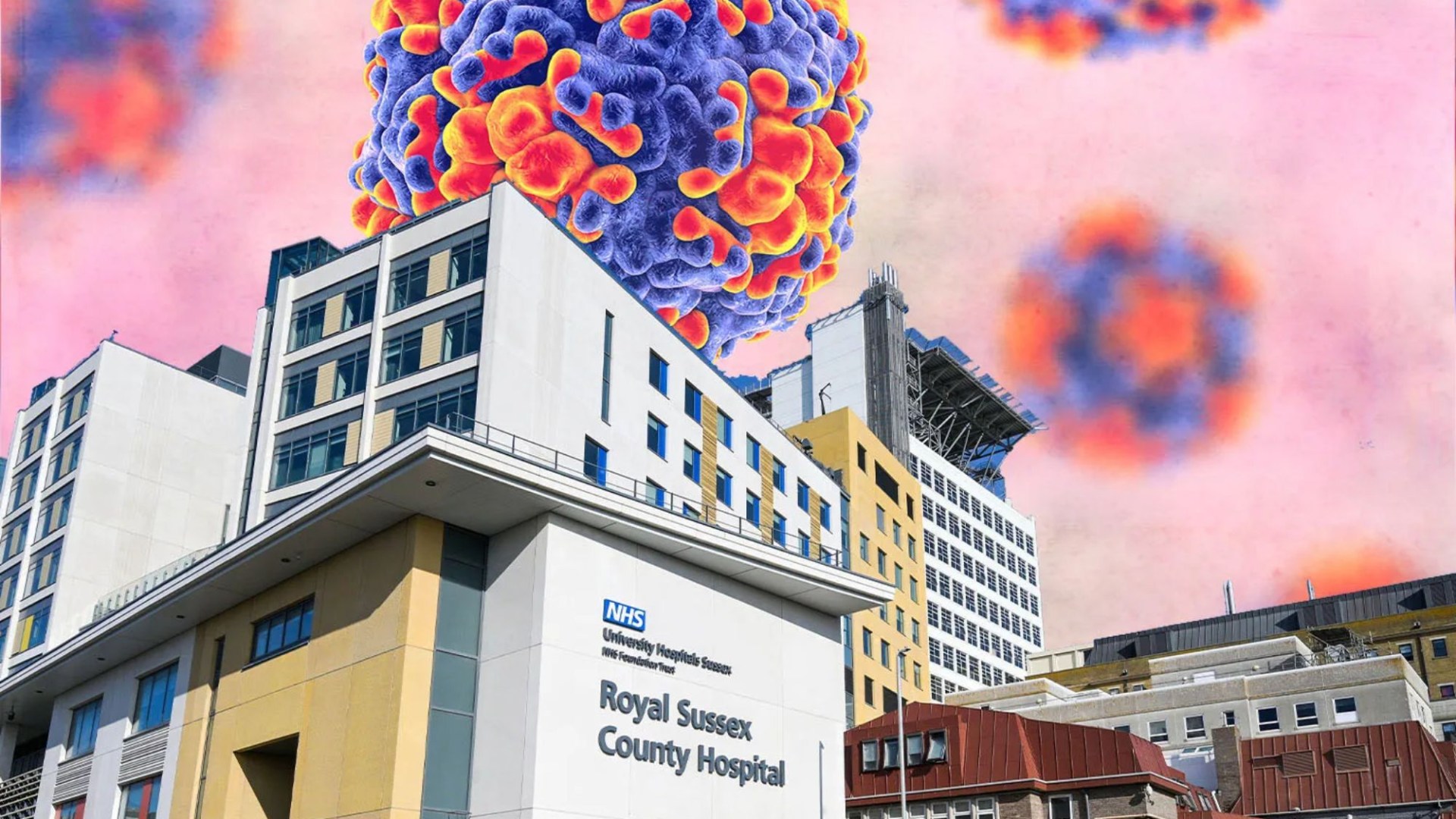
HOSPITALS across England are buckling under a surge in norovirus, with at least ten hospital trusts forced to declare critical incidents this week as the vomiting bug overwhelms stretched services.
Cases of the virus, graphically nicknamed the “two-bucket disease”, have soared by 57 per cent in just one week, new NHS data suggests.
At least 567 people across the country were admitted to hospital with norovirus, up from 361 the previous week.
The spike comes after a wave of “super flu” tore through the UK over Christmas, forcing schools to shut and leaving hundreds ill in what experts warned could be the worst outbreak in a decade.
While flu cases are now beginning to fall, pressure on hospitals remains intense, NHS surveillance programmes that monitor England’s virus outbreaks suggest.
An average of 2,725 patients were in hospital with flu each day last week, down slightly from 2,924 the week before.

“While it’s positive that the number of flu cases in hospital is falling, this comes after a rise following the festive period – leaving bed occupancy very high at 94 per cent so it is clear we are still in the thick of winter,” Professor Meghana Pandit, NHS national medical director, said.
At 92 per cent is the point at which, experts say, performance of staff drops.
In response to mounting pressure, NHS trusts have begun declaring critical incidents – the highest alert level – allowing staff to take urgent steps to create capacity and protect patient safety.
“It is important that patients continue to only use 999 and A&E in life-threatening emergencies and use NHS 111 and 111 online for other conditions, as well as using your local GP and pharmacy services in the usual way,” Professor Meghana added.
East Suffolk and North Essex NHS Foundation Trust today put the warning in place after admitting that its hospitals are experiencing “significant pressure” and “increased demand for services”, it told the BBC.
South Warwickshire University NHS Foundation Trust was also forced to declare a critical incident just yesterday, with its A&E under extreme strain and attendances at near-record levels.
Another Midlands trust, University Hospitals of North Midlands (UHNM), followed suit after soaring demand left patients unable to be admitted to beds promptly.
Earlier this week, two Nottingham Trusts – Nottingham University Hospitals (NUH) and Sherwood Forest Hospitals NHS Foundation Trust – did the same.
NUH said that “severe and sustained pressure” on its services, infections and staff sickness since Christmas had seen “significant and unacceptable delays” in its emergency department and on wards.
Four Surrey trusts, Ashford and St Peter’s Hospitals NHS Foundation Trust, Royal Surrey NHS Foundation Trust, Epsom and St Helier University Hospitals NHS Trust, and Surrey and Sussex Healthcare NHS Trust have also declared critical incidents.
NHS Surrey Heartlands said its hospitals were experiencing “exceptionally high demand, driven by a continued high admission rate and a large number of patients with winter illnesses and respiratory viruses”.
In Margate, East Kent Hospitals University NHS Foundation Trust yesterday declared a critical incident over “sustained pressures” at Queen Elizabeth The Queen Mother Hospital.
Meanwhile, Aneurin Bevan University Health Board in Wales also announced a critical incident over the weekend due to a “combination” of issues, including an influx of “very sick patients” and high levels of winter virus infections on the wards.
What are the symptoms of norovirus?
The symptoms of norovirus are not pleasant.
It typically causes seven symptoms, including diarrhoea and projectile vomiting – often at the same time, which has earned it the nickname of the ‘two-bucket disease’.
This is accompanied by stomach cramps, muscle aches, feeling sick, a headache and a fever.
In small children it can also cause seizures linked to having a high fever.
How to treat norovirus
Though unpleasant, you can usually treat yourself or your tots at home, according to NHS guidance.
It doesn’t tend to be a dangerous illness and complications from it are rare, Patient.info says.
Aside from keeping an eye out for symptoms of dehydration, getting plenty of rest is the most important thing you can do to get well.
When you’re able to keep fluids down, paracetamol is the safest option for symptoms like fever, headaches, and body aches.
Avoid ibuprofen if you’re dehydrated or vomiting heavily as it can irritate your stomach and put strain on your kidneys.
Medicines like loperamide can reduce diarrhoea, but they’re not always recommended because diarrhoea helps clear the virus.
When your appetite returns, start with bland foods like toast, crackers, bananas, and rice.
Avoid fatty, spicy, or dairy-heavy foods until your symptoms settle.
You’ll usually start to feel better within two or three days.
But you should stay off school or work until you have not been sick or had diarrhoea for at least two days, as this is when you are most infectious.
Also, don’t visit any hospitals or care homes during this time.
How does norovirus spread?
Norovirus is usually spread through close contact with someone who is infected, or by touching surfaces or objects, or eating food someone infected has touched.
Health chiefs already advise against relying on hand sanitisers alone to guard against transmission — as alcohol doesn’t kill off the bug.
Instead, you must wash your hands with soapy warm water.
Most of those infected suffer nausea, diarrhoea and vomiting and recover at home.
What to do if you have norovirus
If you have norovirus, stay at home until symptoms go away.
Unfortunately you have to let the illness run its course. Just be aware that you can still spread norovirus to others, even after symptoms disappear.
The NHS recommends that you:
- Avoid cooking meals for the rest of the household, as you might make them sick
- Avoid sharing everyday items like towels, bedding, and dishes
- Eat bland and non-spicy foods, so as not to irritate the stomach
- Rest, stay hydrated, and take paracetamol for the aches and pains
In most cases, you won’t need to go to a doctor.
But, if symptoms persist for longer than three days, it’s important to see one.
When to call 111 and 999 for norovirus
NOROVIRUS usually goes away on its own after a couple of days and doesn’t require medical attention.
But you might need to speak to a doctor if:
- You’re worried about your baby who is younger than 12 months old
- Your child stops breast or bottle feeding while they’re ill
- You think your child under five might be dehydrated – signs could include fewer wet nappies.
- You’ve used rehydration sachets but still have signs of dehydration
- You or your child keep being sick and can’t keep fluids down
- You or your child have bloody diarrhoea or start bleeding from the bottom
- You or your child have diarrhoea for more than seven days or are vomiting for more than two days
And if you spot any of the following signs, it’s vital to seek urgent care:
- Blood in your vomit
- Vomit that looks like ground coffee
- Green vomit (adults) or yellow-green vomit (children)
- A stiff neck
- Pain when looking at bright lights
- A sudden, severe headache or stomach ache
Source: NHS