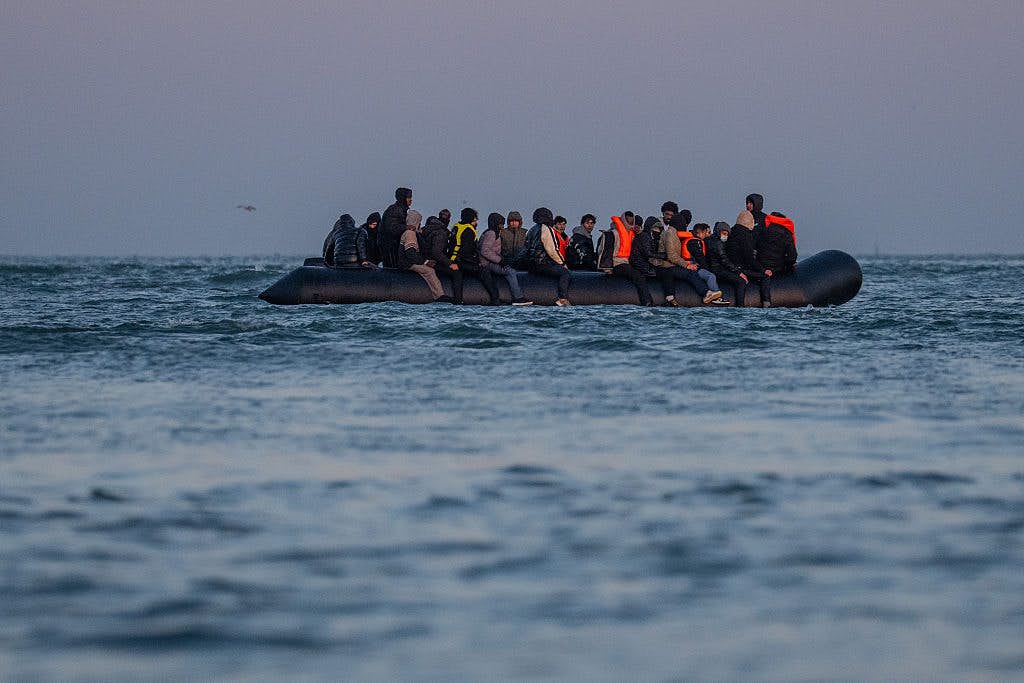
Since it began nearly a decade ago, the small boats crisis has long revolved around a familiar stretch of coastline between Calais and Dunkirk. Recent launches from Belgium, however, suggests the geography of the Channel crossings may be beginning to shift.
What Happened
Minister for Border Security and Asylum Alex Norris has held talks with Belgian Interior Minister Bernard Quintin and Asylum and Migration Minister Anneleen Van Bossuyt to discuss illegal migration. This has been prompted by a recent increase in small boats launching from Belgian beaches near towns including De Panne, Koksijde and Nieuwpoort.
Launchings from Belgium have historically been rare due to the significantly longer Channel crossing time from there, but rather than make the direct crossings from Belgium, it appears gangs are using “taxi boats” that move along the coast to pick up migrants in the water before heading towards France, making the shorter crossing there. Last year smugglers also began making attempts much further south of Calais and Dunkirk in the Dieppe area – over 100 miles away.
On Wednesday night, 15 migrants were discovered near Nieuwpoort marina. On 24 February, 22 migrants left from the beach in Oostduinkerke before heading along the coast to France. On 3 March another vessel was launched from De Panne with 14 passengers on board, but was intercepted in French waters. Belgian Federal Police say they have identified three departures by small boat so far this year, but it is possible there had been others.
The UK government has provided £1.3m to Belgian law enforcement to deter smuggling attempts.
Why It Matters
Local police said the attempts appear to reflect growing pressure on smuggling networks operating in France. Many smuggling gangs already operated out of the county, with many already directing migrants to Britain. However, it is also a simple matter of demand outstripping supply. Due to weather, the number of Channel crossings has been lower than anticipated, creating a backlog at Calais.
In addition, there are pressures within Belgium: in 2024 Belgium received 39,615 asylum applications, 11.6% more than in 2023. The country only has capacity to take in 35,600. However last February, Belgium elected Bart de Wever’s Flemish nationalist government, and Van Bossuyt has advocated for ‘the strictest policy ever implemented’ on migration. So far they have:
This has made settlement in Belgium much more difficult, with the result that migrant flows – as well as many existing migrants now unable to settle in Belgium – are now being directed onwards to Britain.
What Happens Next
Labour are already in a difficult situation on Channel migration and have made step to crack down but – being unwilling to challenge the overly-generous migration settlement that draws migrants here or the legal infrastructure that keeps them here, numbers have only come down thanks to a poor season of sailing weather.
What we are likely to see is a repetition of the deals made with France: indeed, Shabana Mahmood is already understood to have hosted meetings to secure a “one in, one out” deal. Britain has also been deepening operational cooperation with Belgium in several ways:
- The UK has supplied technology such as drones to help Belgian authorities track smuggling gangs along the coast.
- The Home Office says around £4 million has been invested over the past two years to prevent migrants stowing away on cross-Channel freight traffic.
- Funding helped establish a control room at the Port of Zeebrugge enabling private port security to respond immediately to breaches.
- Support continues for shared patrols and searches of containers and vehicles using Border Force officers, dog teams, additional security infrastructure around the port, and equipment for Belgian officers.
But without the necessary reforms to pull factors, these deals are as likely to succeed as those with France: a right-wing Belgian government may be far more willing to see the country function as a transit route than to spend money keeping migrants it does not wish to retain. Until this factors are tackled, expect to see the geographical spread of Channel crossings increase.