Scientists have found that the risk of shingles may rise slightly in the weeks following a Covid booster shot.
The discovery comes from researchers at the University of Groningen in the Netherlands, who analyzed electronic health records from more than two million people aged 12 and older who had received at least one Covid vaccine.
The study found that the risk of developing shingles within 28 days of vaccination increased by seven percent when all doses were combined and by 21 percent after the third, or booster, dose of an mRNA vaccine.
Shingles, which appears as a painful, blistering rash, is caused by the varicella-zoster virus, which most people first encounter in childhood as chickenpox.
Separate research found that adults aged 50 and over who were hospitalized with shingles were seven times more likely to develop dementia.
Among men of all ages, researchers found a significantly higher risk of shingles after receiving a vector-based vaccine, with a 38 percent increase.
The authors noted that the increase in shingles risk after a booster mRNA dose is small, temporary, and limited to certain subgroups, and most cases are treated in general practice rather than requiring hospitalization.
The study comes as the FDA is drawing up plans to put a ‘black box’ warning on Covid vaccines, the agency’s most serious warning over potential side effects, reports suggested.

Shingles, which appears as a painful, blistering rash, is caused by the varicella-zoster virus, which most people first encounter in childhood as chickenpox
A black box warning, which appears at the top of prescribing information, is placed on drugs or vaccines to highlight major risks such as serious side effects or restrictions.
The move by the FDA was revealed to CNN by two people familiar with the matter, who spoke on condition of anonymity because they were not authorized to speak to the media.
The new study, published in the peer‑reviewed journal Drug Safety on December 11, suggested that shingles might occur after a Covid booster because important immune cells, called lymphocytes, can be temporarily depleted after vaccination, which may allow the virus that causes shingles to wake up.
Repeated vaccine doses, especially a third booster, might also make T-cells less active for a short time, and T-cells help control viruses that hide in the body.
The researchers emphasized that this does not prove the vaccine causes shingles, only that there is a small, temporary link in some people.
The study noted that Hong Kong reported a sharp increase in hospitalizations for shingles shortly after Pfizer/BioNTech vaccination.
However, a US study using healthcare claims data found no increased risk after Covid vaccination, and vaccination was not linked to a higher risk than flu shots.
The team conducted the study in three steps, including analyzing all available Covid vaccines, including unknown brands.
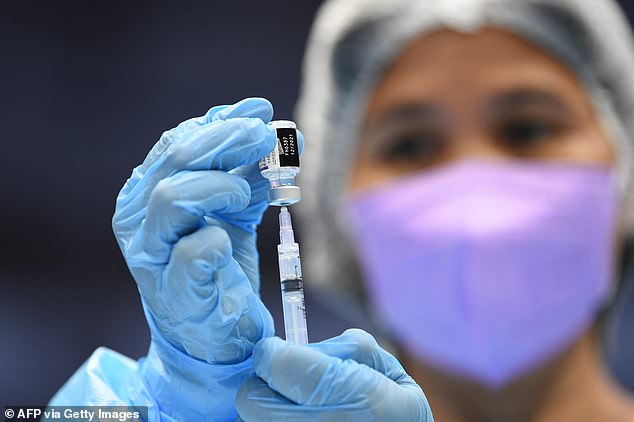
The study found that the risk of developing shingles within 28 days of vaccination increased by seven percent when all doses were combined and by 21 percent after the third, or booster, dose of an mRNA vaccine
Second, vaccines were separated by type, mRNA versus vector.
mRNA vaccines, like Pfizer/BioNTech and Moderna, use genetic material in the form of mRNA to instruct cells directly to make the spike protein.
Vector vaccines, like AstraZeneca or Johnson & Johnson, use a different virus, modified so it can’t replicate, to carry the instructions into cells. Then the team analyzed the vaccines by brand.
For individuals who received two doses less than 28 days apart, it was difficult to determine which vaccine caused shingles, so only those with a consistent vaccination regimen were included in the type- and brand-specific analyses, according to the study.
The median age of the participants was 51 years, with most people falling within an age range of 32 years around the median.
The two most common health conditions were cardiovascular disease, affecting 539,134 people (25.7%) and chronic lung disease, affecting 341,747 people (16.3%).
Most participants, 1,145,212 people (54.6%), received two vaccine doses.
The most commonly given vaccine was Pfizer/BioNTech, which made up 69.2 percent of all doses, followed by Moderna at 18.6 percent.
A study published in April, which spanned for more than two decades, found shingles could trigger early-onset dementia.
Crucially, the greatest risk was seen in those aged 50 to 65, which is younger than the typical age of dementia patients.
In the new study, the Italian researchers recruited 132,986 adults aged 50 and older.
Of these, 12,088 were hospitalized with a diagnosis of shingles, termed ‘herpes zoster disease’ in the study.
After just one year, there was a two-fold increase in early dementia seen in the severe shingles group, compared to those in the other two groups.