This article is taken from the February 2026 issue of The Critic. To get the full magazine why not subscribe? Get five issues for just £25.
With twelfth night behind us and Candlemas upon us, it is time to awaken apple trees with cider and song. Wassailing — from the Old English waes hael, “be whole” or “be healthy” — was first recorded in Fordwich, Kent in 1585, and is currently enjoying a modest revival. This might be dismissed as nostalgic theatre, were it not for the curious moment in which it reappears.
2025 was a bumper year for British apples, yet industry forecasts suggest the number of UK apple orchards could halve within 12 years as replanting slows and commercial growers give up the ghost. Supermarket shelves offer imports from Peru and New Zealand whilst domestic apples languish in cold storage or rot unpicked on the tree.
Farmers struggle; the NHS groans under the burden of ultra-processed food; and one of our most abundant, nutritious fruit crops is treated as an inconvenience.
It has fallen, absurdly, to charities to intervene. Organisations such as The Felix Project now harvest and distribute fruit that the market has deemed surplus. Food rescue is noble work, but it is a poor substitute for a functioning food system.
Which raises the question: can wassailing do anything to save the apple? Or is it simply agricultural cosplay?
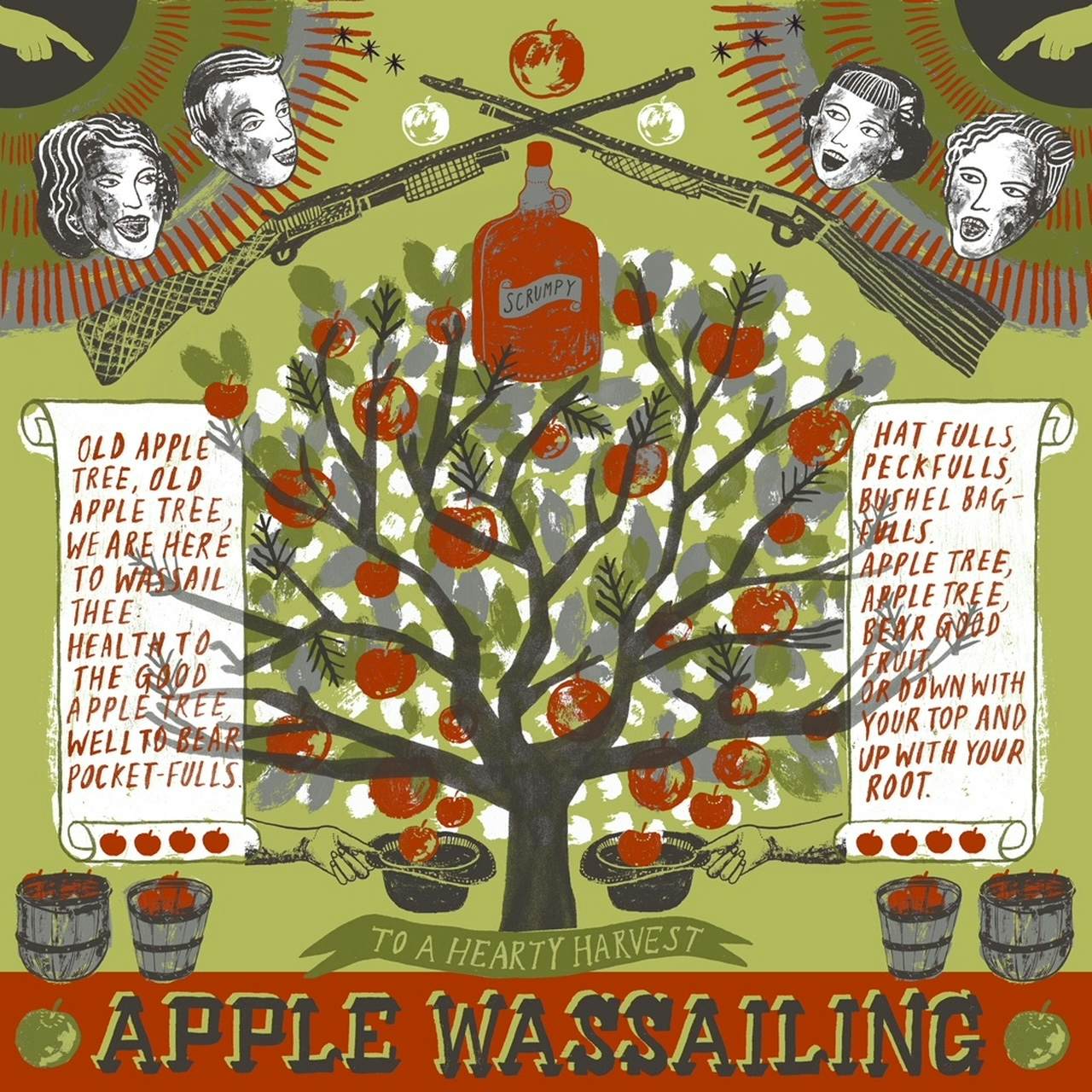
The folk legend behind wassailing tells of two brothers: the younger inherits the farm; the elder is left with a tumbledown cottage, a donkey, an ox and a few ancient apple trees. On Twelfth Night, the elder brother offers his last mug of cider and a piece of bread to the oldest tree, singing a plea for a good harvest. His care is rewarded handsomely. Gold does not appear in modern enactments, but the moral endures.
Ross Mangles, Somerset apple grower and cider maker, insists the ritual has real effects. Orchards that are wassailed, he says, “feel different … they have a heart and soul. You can feel someone cares about them beyond how much money they’ll make that year.” This is not just mystical thinking but sound agricultural psychology. Orchards that are visited in winter are noticed; trees are inspected; canker, mistletoe, storm damage and neglect are addressed. Wassailing also brings together the communities that grow, buy and eat the apples for some midwinter fun. No supermarket advertising campaign can do that.
No Kip & Knyff estate portrait is complete without the aesthetic addition of an orchard, and for those establishing or restoring one today there remain excellent custodians. Family nurseries such as Frank P Matthews continue to advise on cultivars, graft trees and maintain estate collections to preserve varieties for future propagation.
Stephanie Dunn, the firm’s fourth-generation steward, recommends spreading the harvest: early apples such as rose-fleshed Katy in August; mid-season Christmas Pippin from Somerset; and Tydeman’s Late Orange from Kent, “as rich and aromatic as a Cox when eaten before Christmas”.
Apples have walked alongside humankind from Kazakhstan to Kent, mutating to suit the place as they go. Every heterozygous seedling is a context-optimisation gamble, a fact embraced by the volunteers and scientists behind Some Interesting Apples, a project scouring hedgerows and motorways for chance seedlings grown from discarded cores, hunting for the resilience, flavours and storage qualities of the future.
For personal taste testing, I recommend an autumn visit to the National Fruit Collection at Brogdale in Kent, home to 2,200 varieties, from the Decio apple brought over by the Romans in around 450AD to modern cultivars.
Further west, the walled garden at The Newt is one of the best places to learn about training and pruning ornamental fruit trees. Inspired by the gardens of Orsan, it displays varieties by county, and pruning follows a modified version of the system devised by Louis Lorette in the early 1900s.
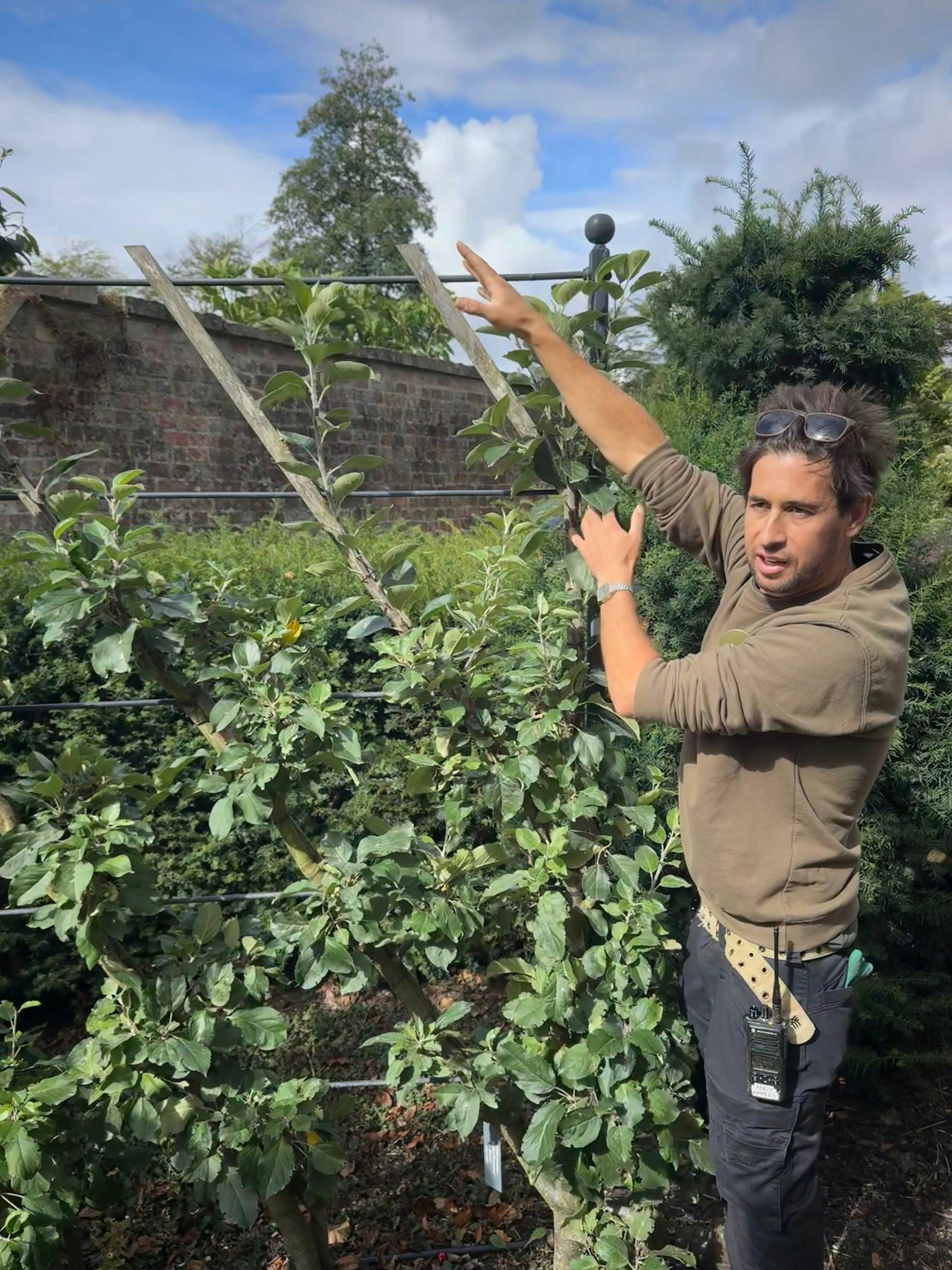
Head Gardener Andy “Apples” Lewis prunes four times a year, in February, June, August and October. Aesthetics and fruit production are balanced, and aphids, mildew and first signs of canker are nipped in the bud, reducing the need for the chemicals.
Wassailing will not save British apples on its own. It will not fix supermarket contracts or reverse grubbing grants. But it reminds us that our orchards are not factories, and apples are not an abstract commodity. The ritual insists, unfashionably, on care, continuity and local attention.
In curious times when we import apples by the shipload whilst uprooting our own trees, that insistence may be quietly radical.