A COLD cut item sold in major UK supermarkets has been urgently recalled from shelves.
Certain batches of the meat were found to contain Listeria monocytogenes, a harmful bacteria which can cause sever illness.
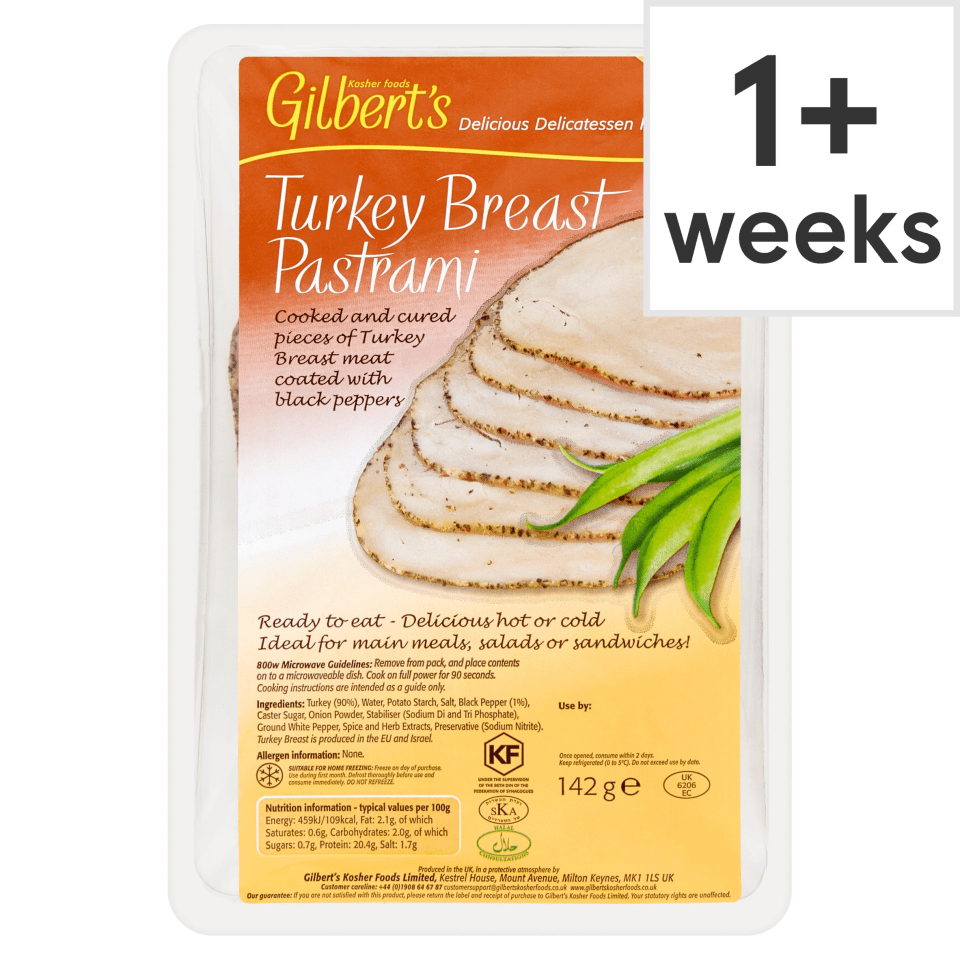
Gilbert’s has officially recalled its Turkey Breast Pastrami due to the contamination.
The cold cut is currently stocked in major retailers across the UK, including Tesco, Sainsbury’s, Morrisons, Asda, and Waitrose.
According to the Food Saftey Authority (FSA), 142 gram packs with the product code CK016 CK027 and the use by date April 9, 2026 are currently affected by this recall.
The safety notice outlined the common symptoms caused by Listeria monocytogenes, which can often be similar to flu.


These include high temperature, muscle ache or pain, chills, feeling or being sick and diarrhoea.
However, the FSA also pointed out that in rare cases, the infection can be more severe, causing serious complications, such as meningitis.
What is listeria?
LISTERIA is a type of bacteria that can contaminate many foods.
It can cause listeriosis – a rare infection from consuming affected foods.
This usually goes away on its own, but it can make some people seriously ill.
Symptoms include a high temperature, aches, pains, chills, vomiting, feeling sick, and diarrhoea.
If you’re pregnant, you may also have a stomach ache or notice your baby moving less than usual, and babies with listeriosis may be irritable and feed less than usual.
In rare cases, the infection can result in meningitis – inflammation of the lining around the brain and spinal cord.
This kills up to half of all people affected if left untreated, Doctors Without Borders says.
Listeriosis is more serious for older people, anyone who is pregnant, newborn babies, people with weakened immune systems (such as those with cancer, diabetes, liver disease or kidney disease), and people having treatment which weakens their immune system (like chemotherapy or steroids).
You can reduce your risk by:
- Keeping chilled, ready-to-eat foods cold (set your fridge to below 5C)
- Eating ready-to-eat foods within four hours of taking them out of the fridge
- Eating, cooking or freezing foods by their use-by date
- Following storage instructions on food labels and use opened food within two days (unless otherwise specified)
- Keeping raw and ready-to-eat foods separate
- Following cooking instructions on packaging
- Cooking and reheating foods until they are steaming hot all the way through
- Washing your hands regularly with soap and water
The foods most likely to cause listeriosis include:
- Cold, cooked, sliced meats and cured meats
- Smoked and cured fish, including sushi
- Cooked shellfish
- Soft mould-ripened cheese (such as camembert and brie) and blue-veined cheeses
- Pâté
- Pre-prepared sandwiches and salads
- Pre-cut fruit
- Unpasteurised milk
- Dairy products made from unpasteurised milk
While uncommon, listeriosis alone illness kills one in five patients globally, according to the World Health Organization.
Source: NHS