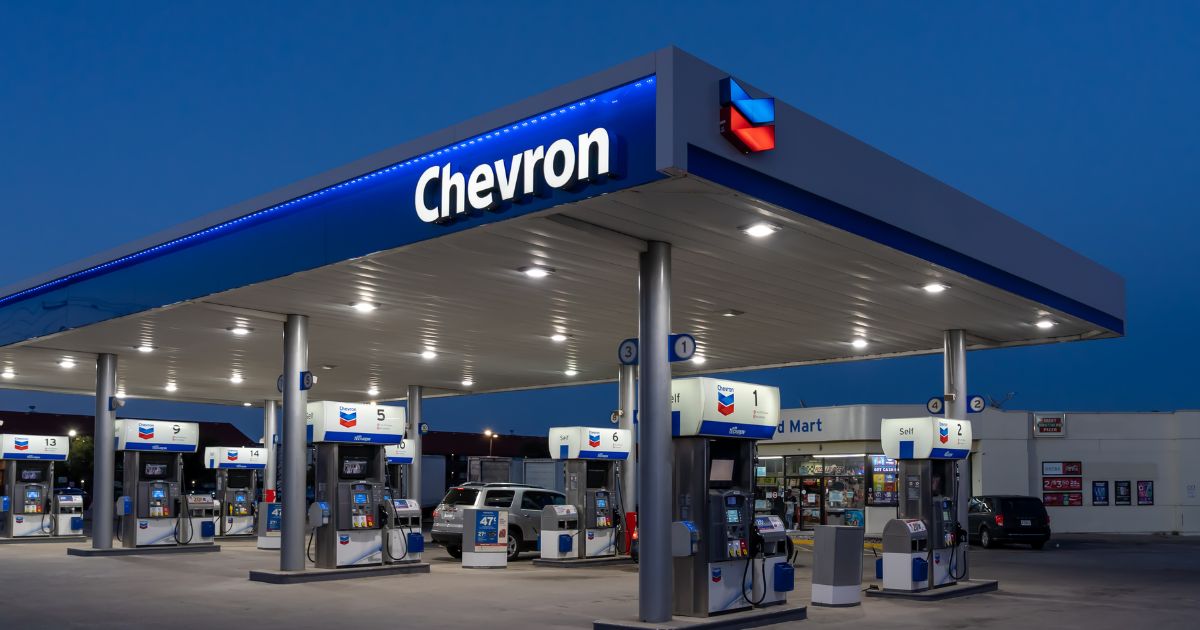
California policymakers recently proposed a “cap-and-invest” system for their remaining oil refineries.
Chevron is warning that the move threatens economic chaos and higher prices for consumers — including gas prices rising by more than a dollar in the Golden State.
The California Air Resources Board wants to lower the cap on how much pollution is allowed from refineries, specifically by pulling 118.3 million allowances between 2027 and 2030.
The regulator also hiked its carbon reduction target to 90 percent by 2045, according to a report from KTTV.
Chevron President Andy Walz wrote in a letter to California Democrat Gov. Gavin Newsom that the regulations would mark a “shakedown” of the energy industry.
“The proposed regulation will cripple the survivability of the state’s remaining refineries, which will result in California losing the entire industry to this misguided program,” Walz said.
“This regulation will increase transportation and aviation fuel prices for consumers. It will risk significant job losses, including many high-paying union jobs, while reducing funding for essential public services,” he added.
“It will upend California’s fuels market and threaten critical energy and national security assets.”
California consumers already pay an average of $5.08 per gallon as of March 7, according to AAA’s national tracking of fuel prices.
That’s substantially higher than the $3.41 average paid elsewhere in the United States.
Walz said the poorest California families would bear the heaviest burdens from the new regulatory scheme.
“These impacts will fall most heavily on lower-income households that spend a disproportionate share of income on transportation fuels, increasing costs without addressing the underlying driver of California’s gasoline prices,” Walz wrote.
“Affordability is a top concern for California’s residents and Chevron, and these proposed amendments would only exacerbate the high cost of living in the state.”
The Sacramento Bee reported that the conflict in Iran — which has hiked oil prices around the world and in the United States — added a new dimension to the debate over cap-and-invest in California.
Iran closed the Strait of Hormuz following U.S. and Israeli attacks, cutting off a trade route that carries one-fifth of global oil that hits the markets.
The California Air Resources Board is weighing the impact of the war as they consider policy in the near future.
“We are in the middle of the public comment period for the draft regulation and continue to meet with regulated entities to make sure we fully understand implications of the proposed amendments,” spokeswoman Lindsay Buckley told The Sacramento Bee.

Advertise with The Western Journal and reach millions of highly engaged readers, while supporting our work. Advertise Today.