A suspect in the Chinese spy case was detained at Heathrow carrying a suitcase with £4,000 inside it.
Christopher Berry – a 33-year-old academic from Witney in Oxfordshire – was stopped with the large sum of money in February 2023.
It would not be for almost another six weeks before he was arrested on suspicion of spying for China.
It is believed Mr Berry was given the money by his Chinese intelligence handler, known only as ‘Alex’. It is unclear whether the cash was held by the police, or what currency it was in.
Mr Berry was stopped by police under Schedule 3 Counter Terrorism and Border Security Act 2019, which is used by police when there is suspicion of ‘hostile activity’ involving a foreign state.
His connection to Chris Cash – a parliamentary researcher from Edinburgh who has also been accused of spying for China – was revealed when officers seized his phone and laptop.
They also uncovered a person on his phones believed to be a Chinese intelligent agent.
Chinese spies commissioned at least 34 reports from Mr Berry on subjects of political interest, prosecutors alleged.
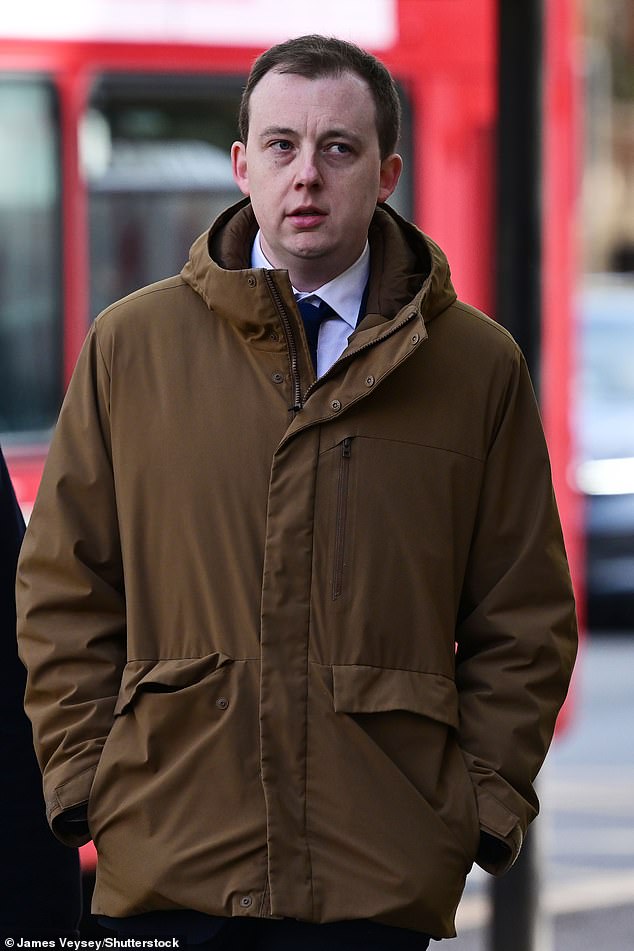
Christopher Berry (pictured) – a 33-year-old academic from Witney in Oxfordshire – was stopped with a large sum of money in February 2023. It would not be almost another six weeks before he was arrested on suspicion of spying for China
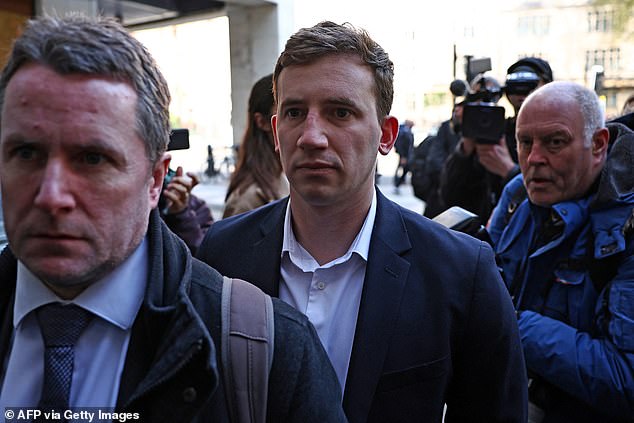
Mr Berry’s link to Chris Cash (pictured) – a parliamentary researcher from Edinburgh who has also been accused of spying for China – was revealed when officers seized his phone and laptop at Heathrow
Of these reports, ten of them were deemed prejudicial to national security and British prosecutors suspected that Cai Qi, a confidant of President Xi and senior Chinese official, was in receipt of intelligence from Westminster.
In a statement yesterday, the Metropolitan Police told the Times newspaper: ‘A man in his thirties was subject to a stop at Heathrow airport on 2 February 2023 under Schedule 3 of the Counter-Terrorism and Border Security Act 2019. He was not arrested and inquiries continued.’
Evidence was due to be presented by the prosecution in the trial against the two men however the case collapsed last month, sparking outrage from ministers, MPs and the police.
Last week, it was revealed that in meetings with senior MPs the head of the Crown Prosecution Service (CPS), Stephen Parkinson, claimed the evidence he had from the Government’s main witness, deputy national security adviser Matthew Collins, fell ‘5 per cent short of being enough’ for the case to go ahead.
The Government insists it is up to Mr Parkinson to explain what could possibly have satisfied him to meet that extra threshold to bring a successful prosecution against Mr Cash and Mr Berry, for allegedly passing secrets to China.
Mr Cash and Mr Berry deny all the charges against them.
Britain’s top prosecutor faces a series of questions, including whether evidence was sought from sources other than Mr Collins, who was unable to describe Beijing as an enemy of the UK, fatally undermining the case.
On Wednesday, the Government published three witness statements from Mr Collins revealing a raft of alleged evidence against Mr Cash and Mr Berry, including the claim that secret reports were sent to Beijing within 13 hours of information allegedly being passed on from Parliament by Mr Cash.
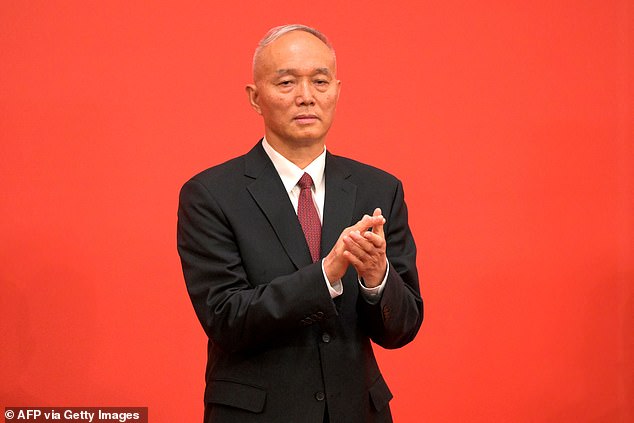
Chinese official Cai Qi who is believed to have received intelligence from Westminster
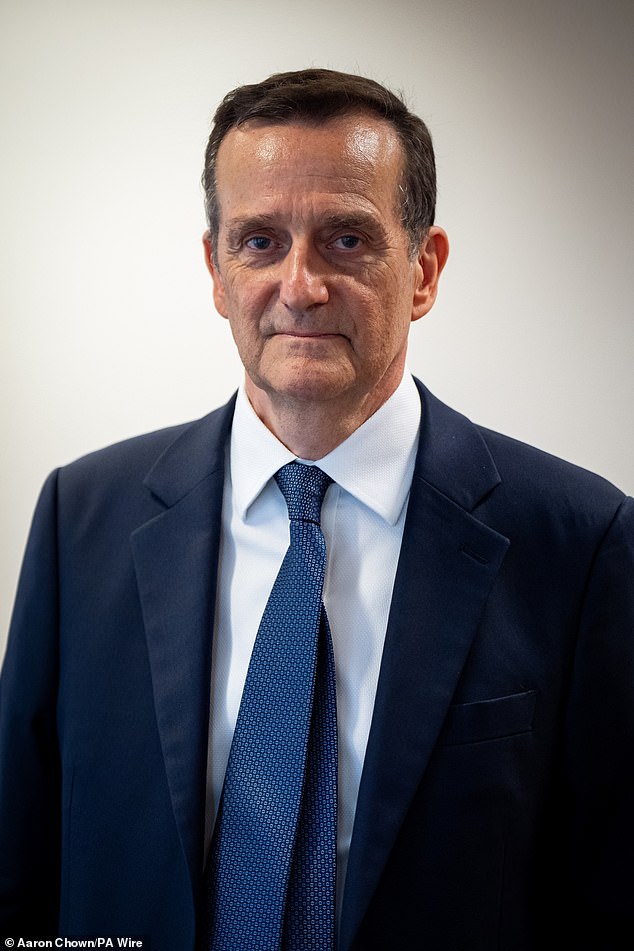
The head of the Crown Prosecution Service (CPS), Stephen Parkinson (pictured), claimed the evidence he had from the Government’s main witness, deputy national security adviser Matthew Collins, fell ‘5 per cent short of being enough’ for the case to go ahead
Mr Collins repeatedly laid out the threat China posed to Britain.
Now Mr Parkinson has been asked why this evidence was not enough to proceed with the case and what steps he took to make ministers aware that the prosecution would fold after it emerged that the Prime Minister knew days beforehand.
The top prosecutor has also been asked whether he considered intelligence material from MI5, which has frequently referred to Beijing as a national security threat.
Former Attorney General Dominic Grieve told the BBC it was ‘utterly mystifying’ as to why the case was dropped in light of the statements. Other questions surround the role of former and current government legal officers in decisions relating to the case.
In their letter, the committee chairs wrote: ‘In view of the seriousness of the allegations, the implications for UK national security and foreign policy, and the need to support the integrity and independence of the criminal justice system, we believe that it is in the public interest for a fuller explanation for the dropping of charges to be provided.’
Lord Beamish, chairman of the Intelligence and Security Committee of Parliament announced last week that it would investigate how classified material on China had been used in the case.
The Labour peer and former minister said his committee had the ‘legal power to require information from the UK intelligence community’ and ‘will follow the evidence wherever necessary’.