WHETHER that smooth tresses or glossy waves, we all want hair that looks and feels healthy.
But with so many new products, trends and TikTok hacks going viral every week, it’s easy to lose sight of the basics.
The truth is, achieving healthy hair isn’t about spending a fortune or following complicated seven-step routines – it’s about getting the simple things right.
Trichologists Eva Proudman from UK Hair Consultants and Tracey Walker from Hair and Scalp Clinic, gave four popular hair myths a big chop so you don’t have to waste money unnecessarily in 2026.
Can cold water make your tresses shinier?
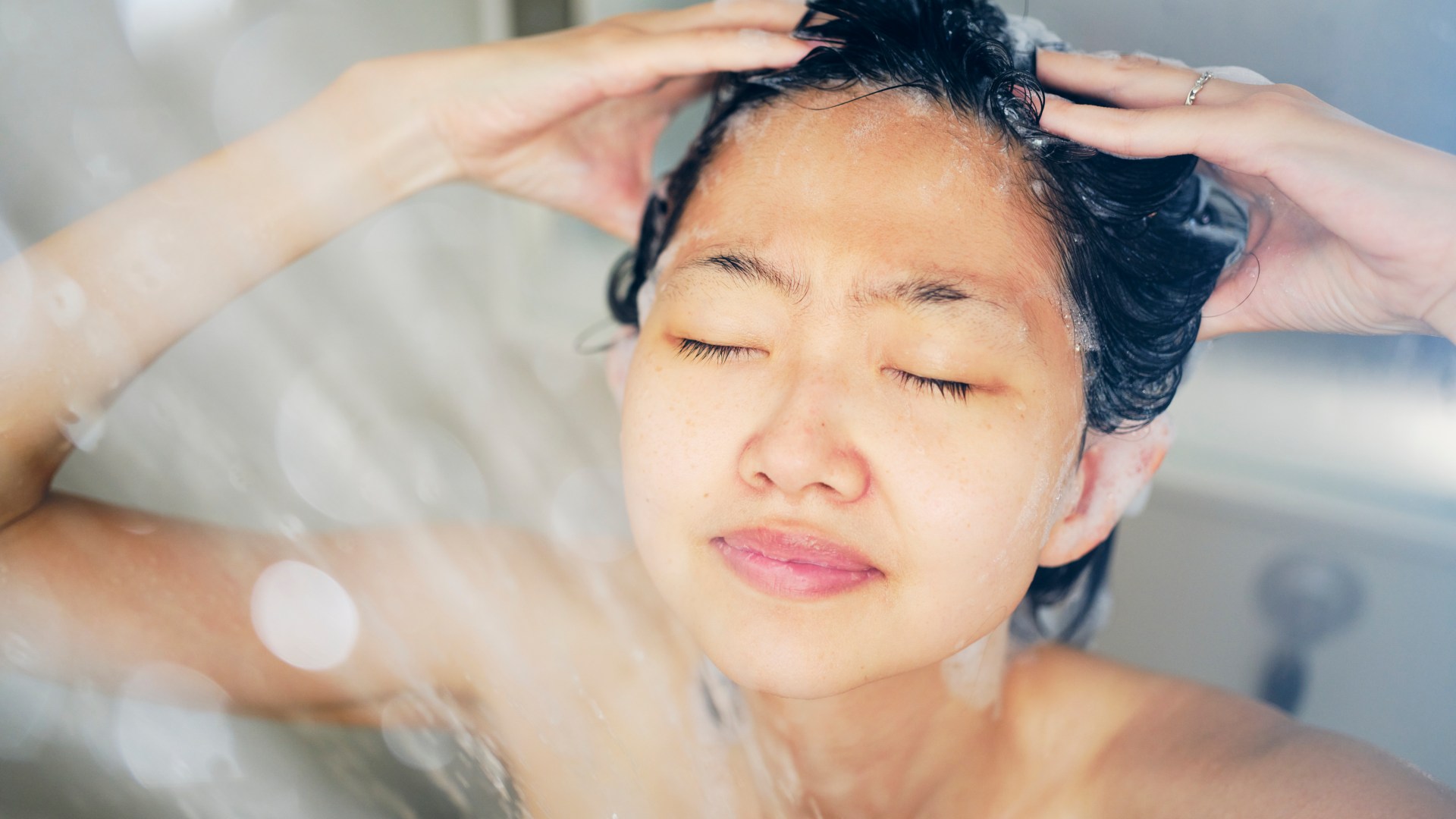
Most of us have hyped ourselves up to finish our showering routine with cold water – after all, the cold water is said to make our hair shinier and smoother.
But luckily, you can leave this myth in 2025, as as Eva told the BBC cold water doesn’t add any extra shine to your hair.
“There’s no need to wash your hair in freezing cold water as it does nothing,” she said.
What’s much more important, the expert added, is how you protect your hair from chemicals, heat and the environment you’re in.
Eva also warned that you don’t want to wash you hair in water that’s too hot, the temperatures can dehydrate the tresses and the water can even scald the scalp.
Is it possible to repair damaged hair with store-bought products?
If you’ve spotted split ends, chances are you’ve looked up a miracle product that will mend the hair – however, that’s just a gimmick.
Eva explained a split end is similar to a ladder in tights – unfortunately, there’s simply no way to fix it apart from going for a trim.
Tracey said: “If you imagine a hair is fracturing and if you look at it under the microscope, it almost looks like there’s two or three more prongs to the hair.
“Products on the market act as a kind of glue which puts the hair back together again so it looks better.”
Tracey said all of these are temporary fixes, and warned not to get lulled into spending a fortune on products which promise a solution.
Does your hair self-clean?
If you struggle with a greasy mane, chances are you’ve had people advising you to ‘train’ your hair.
The idea of ‘hair training’ involves washing your tresses less frequently to supposedly teach your scalp to produce less oil.
But while some beauty buffs swear by this method, does it really work?
Although this approach, in theory, sounds logical, Eva warned that doing this is absolutely not good for your tresses.
Tracey agreed, likening it to the fact you can’t remove an oily mark from garments with just water – you need detergent too.
Not washing your hair regularly can also cause a smell as well as a worsening of scalp conditions such as dandruff, Tracey said, because “leaving the hair to become oilier can let yeast and bacteria build, making itchy scalp conditions worse”.
Everything you need to know about hair loss and thinning
Anabel Kingsley, Brand President and Lead Trichologist at Phillip Kingsley, spoke to Fabulous exclusively.
How many people experience it?
Hair thinning (aka female/male pattern hair loss) and hair shedding (aka telogen effluvium) are incredibly common. Telogen Effluvium probably impacts everyone at some point in their lifetime, while it’s estimated pattern hair loss affects 50% of men by age 50, and 40% of women by aged 50. However, everyone’s hair changes and loses some diameter with age.
Why does it happen?
Female and male pattern hair loss are largely genetic. It occurs when hair follicles on the scalp slowly miniaturize and start to progressively produce shorter and then finer hairs. In men, it is caused by a sensitivity of hair follicles to testosterone/ dihydrotesterone (DHT). This can also be the case with women but isn’t always.
TE occurs in response of some sort of underlying imbalance or metabolic shift. As hair is non-essential tissue, your hair follicles are very sensitive to general health as your body gives hair last priority. When something is imbalanced, or you are unwell, more hairs than usual exit the growth (anagen) phase of the hair growth cycle, rest for 3 months (called telogen) and then shed.
Common triggers are rapid weight loss, low calorie diets, thyroid disorders, iron and ferritin (a protein that stores iron) deficiency, lack of Vitamin B12 and Vitamin D, certain medications, intense stress, stopping or starting an oral contraceptive pill and high fevers. Due to the length of telogen, telogen effluvium doesn’t occur right after the causative event – it happens anywhere from 2-4 months later.
How much hair can someone be expected to lose?
With TE, you can lose up to 3x your ‘normal’ amount each day. It’s normal to lose up to 150 hairs per day, and with TE you may see between 300-400. Up to 50% of hair can be lost with shedding, but the good news is that it’s temporary and hairs should grow back as before once the underlying cause is addressed. With pattern hair, it depends.
Men can go almost completely bald, whereas women usually experience a more spread-out loss of hair over the top of their scalp. As pattern hair loss is progressive, early treatment is so important as this allows you to maintain as much hair density as possible.
Can you skip the shower and just use dry shampoo?
Finding time for a full wash, blow-dry and style isn’t always realistic, especially during the festive season when our social schedules are packed to the brim.
As a quick fix, many beauty buffs each for dry shampoo – but while the experts think dry shampoo is “absolutely fine”, it should be used only once between hair washes.
Issues begin to arise when you use it for multiple days in a row without washing the powder out – and if not careful, this can lead to an itchy and flaky scalp.