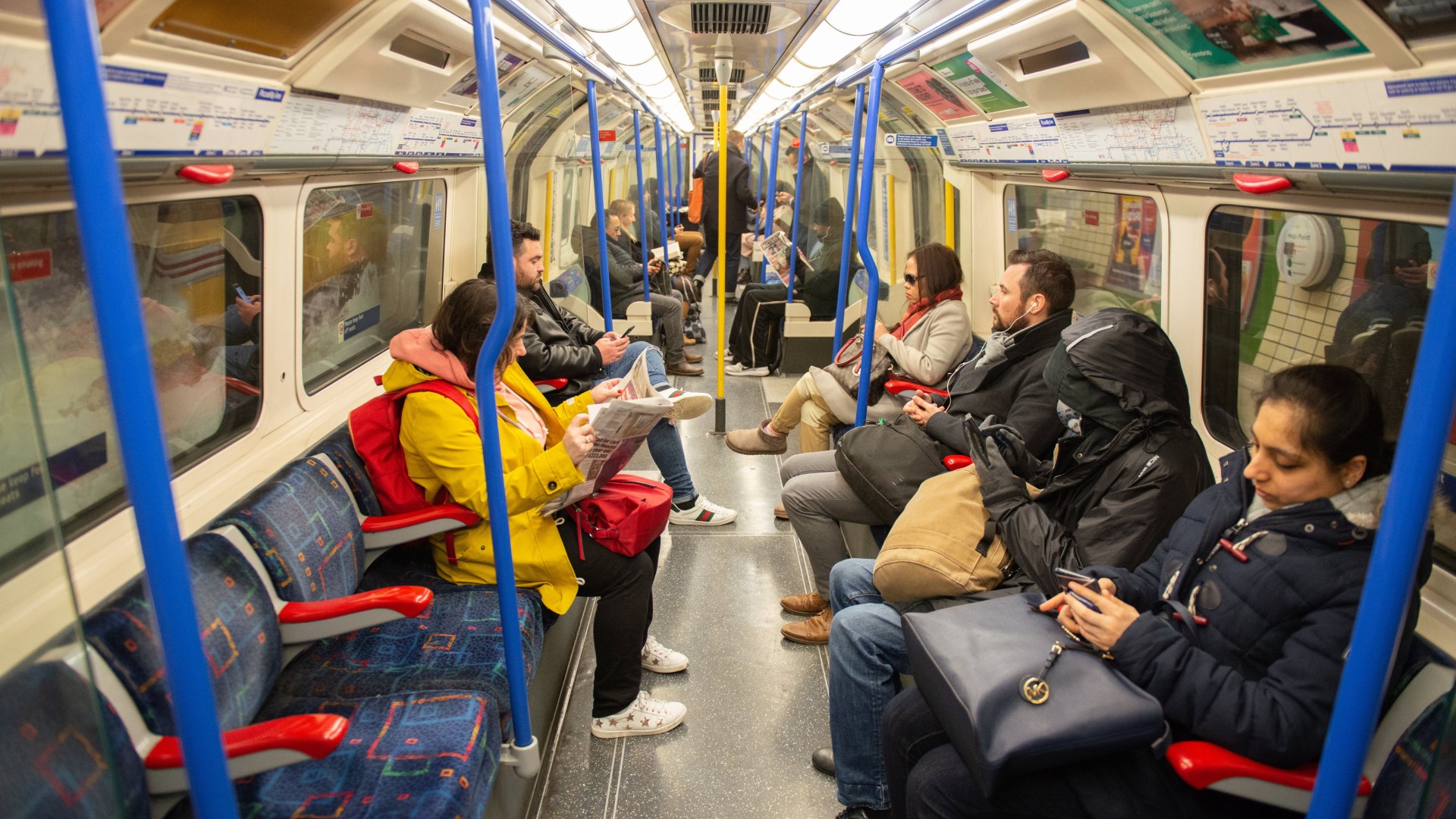
THE top British feats of engineering and manufacturing include the London Underground, the Channel Tunnel – and the invention of the World Wide Web.
Researchers quizzed 2,000 adults on the country’s history of influential creations, which found 94 per cent are proud of the nation’s engineering heritage, as Concorde and the MRI scanner also landed in the top 10.
London’s Tower Bridge, the Southampton-built Spitfire aircraft, and prosthetics and bionic limb engineering from UK universities also ranked highly.
Rounding off the top 10 were the National Grid and Bristol’s Clifton Suspension Bridge, while 64 per cent added they are more likely to buy something if its roots were developed in the UK.
Nissan commissioned the research to celebrate its manufacturing and engineering legacy in Sunderland, where the third generation of the LEAF has started rolling off the production line this week.
Lee Kennedy, 50, a facilities engineer who has worked at the plant for 33 years, now works alongside his daughter Eve, 20, a supply chain degree apprentice.

After seeing three decades of innovation, Lee reflected on what makes British engineering stand out.
He said: “It’s the chance to work with so many clever people over the years. I’ve seen so many brilliant young people come into the business with fresh ideas and a real drive to improve things.
“That’s what makes British engineering so special – there’s always new talent coming through who want to push forward and keep innovating.
“When you see that willingness and energy first-hand, you know the road ahead for British innovation is going to be really good.”
The study also revealed 69 per cent believe British manufacturing and engineering will continue to shape the future, while 93 per cent think it’s important to the nation’s identity.
More than half (53 per cent) said the sector is more innovative than ever and 44 per cent of parents would encourage their children to become engineers.
Of those, 51 per cent believe the earning potential is strong and the same proportion said demand for engineering skills is high.
While 49 per cent would like to see their children in a role that allows them to innovate and create.
Eve spoke about the opportunities available to young people looking for alternative routes into the industry, she said: “I frequently go into schools and promote apprenticeships to young people in the area, and it’s something I’ve become passionate about.
“A lot of students still feel like university is the only route to success, but it isn’t – you don’t have to go to university to build a good career.
“Here in Sunderland, and across the wider region, the plant gives people real opportunities and a chance to learn and work at the same time.
“It opens doors for people who want an alternative pathway, and it’s great to be able to show them that.”
The OnePoll study also found half of Brits consider themselves knowledgeable about the nation’s manufacturing and engineering past.
And 44 per cent have recommended that someone visit an iconic site linked to British engineering.
Among the most popular landmarks they’ve visited are the London Underground, Tower Bridge and the London Eye.
While others have marvelled at Battersea Power Station and the Forth Bridge, west of Edinburgh.
Lee from Nissan, who was speaking ahead of the launch of the latest LEAF, which can drive up to 386 miles on a single charge and is eligible for the full £3,750 Electric Car Grant, added: “Engineering and manufacturing is such a big part of the local area.
“And it’s not just the people directly employed by the plant – it supports so many of the businesses and suppliers around Sunderland as well.
“Looking back at the LEAF being one of the first mass-produced electric car gives me a massive sense of pride – the fact that we did it here in Sunderland and saw it come to life.
“It’s incredible how far it has come since those early days. The range and the technology have developed so much over time and knowing that so many local people have played a part means a lot.”
Top 20 most impressive feats of British engineering and manufacturing
The London Underground
Channel Tunnel
The invention of the World Wide Web by Sir Tim Berners-Lee
Concorde
MRI scanner
Tower Bridge
Spitfire aircraft
Prosthetics and bionic limb engineering from UK universities
The National Grid
Clifton Suspension Bridge
Harrier Jump Jets
Forth Bridge
The London Eye
Thames Barrier
The Royal Albert Hall
Jodrell Bank radio telescope
Hydro-electric engineering in the Scottish Highlands
Severn Bridge
The Shard
Shropshire’s Iron Bridge