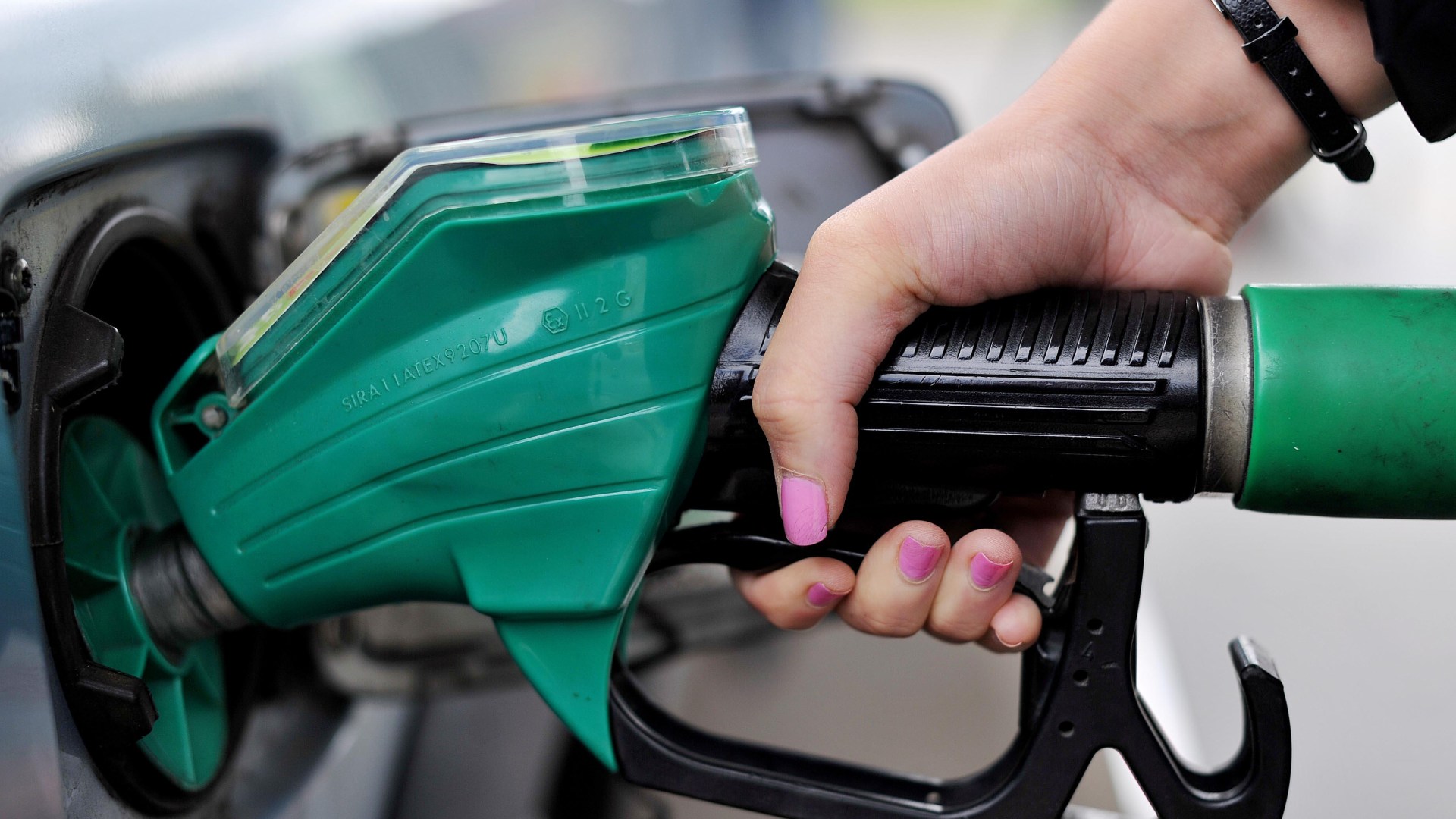
BRITISH drivers have been warned of “record” petrol prices following conflict in the Middle East after the US and Israel carried out strikes in Iran.
Fears are mounting that Saturday’s attack, along with retaliatory strikes by Iranian forces could wreak havoc on oil markets.
Reports already suggest that some shipments via the Strait of Hormuz have been suspended amid the ongoing conflict.
The Strait of Hormuz, which lies between Oman and Iran, sees around a fifth of the world’s global oil supply pass through.
Markets predicting the future direction of oil prices will not open until late on Sunday.
Speaking to The Times, Edmund King, president of the AA, said: “Turmoil and bombing across the Middle East will be a catalyst to disrupt oil distribution globally, which will inevitably lead to price hikes.


“So drivers beware, within the next 10 to 12 days we could be seeing record prices at the pumps.”
Elsewhere, William Jackson of Capital Economics, told The Telegraph that even if strikes remain limited, Brent crude oil prices might rise to about $80 (£59.47) per barrel.
He said: “But oil prices would rise much further if the conflict is prolonged and, in particular, if it affects actual oil supply… A rise in Brent to $100 (£74) per barrel could add 0.6 to 0.7 points to global inflation, and natural gas prices would probably increase too.”
When the price of crude oil rises, the amount punters pay for petrol also tends to increase.
Brent crude prices hit a near seven-month high last week as traders responded to ongoing tensions.
Danni Hewson, head of financial analysis at AJ Bell also said the price of a barrel of oil is “expected to jump significantly in the coming days”.
She added: “If oil prices stay high for a prolonged period of time there is the potential for it to rekindle the cooling embers of inflation which made lives so miserable for so many at the peak of the cost of living crisis.”
As it stands, petrol is currently averaging 132.68p a litre whilst diesel is 142.34p a litre, according to the RAC.
It is not the first time that consumers have been warned of price rises at the pump due to a global conflict.
When Russia – one of the world’s biggest producers of oil – invaded Ukraine fuel prices also shot up.
How can I find the cheapest petrol stations?
Websites like Petrolprices.com can help you find the cheapest petrol stations near you.
The site covers over 3,800 petrol stations using CMA data, providing daily price updates for unleaded, diesel, super unleaded, and premium diesel.
To use it, simply register, enter your postcode, choose how far you’re willing to travel (up to 20 miles), and select your fuel type.
Keep in mind, you can only search the website five times a day, but downloading the app gives you unlimited searches.
Your savings will depend on how often you fill up, which varies based on how frequently you use your car.
Prices also differ by location and change week to week, so it’s always worth checking to make sure you’re getting the best deal.
Petrolprices.com isn’t the only option for comparing fuel costs.
Fleet News and Allstar also offer tools to check petrol prices across different counties, letting you see how your area compares to the UK average.
Plus, Confused.com has a petrol price checker for registered users, allowing them to find fuel prices within a 5, 10, or 25-mile radius.
How else can I cut fuel costs?
ONE way to save is by signing up for major supermarket loyalty schemes, which can give you discounts of up to 5p per litre.
Esso has partnered with Nectar, allowing you to get 5p off per litre when you redeem 300 Nectar points.
BP drivers can use the BPme rewards card to earn one point for every £1 spent in-store or on a litre of regular fuel, with £1 off fuel or shopping for every 200 points.
Loyalty schemes from Texaco, Shell, Sainsbury’s, and Tesco also offer savings on fuel and shopping bills.
You can further reduce fuel costs by driving more efficiently by:
- Accelerating gradually without over-revving.
- Driving in the highest gear possible.
- Allowing your car to slow down naturally instead of braking unnecessarily.
Don’t forget about clutter in your car.
Extra weight from tools, toys, or rubbish can increase fuel consumption by as much as 12%.
Clearing out unnecessary items can make a noticeable difference to your costs.