A BRIT has been busted in an international airport allegedly attempting to smuggle one kilo of heroin inside his own body.
Ifeanyl Ezeiru-Maru, 52, is facing two serious drug charges after he tried to take the illicit substance into Australia.
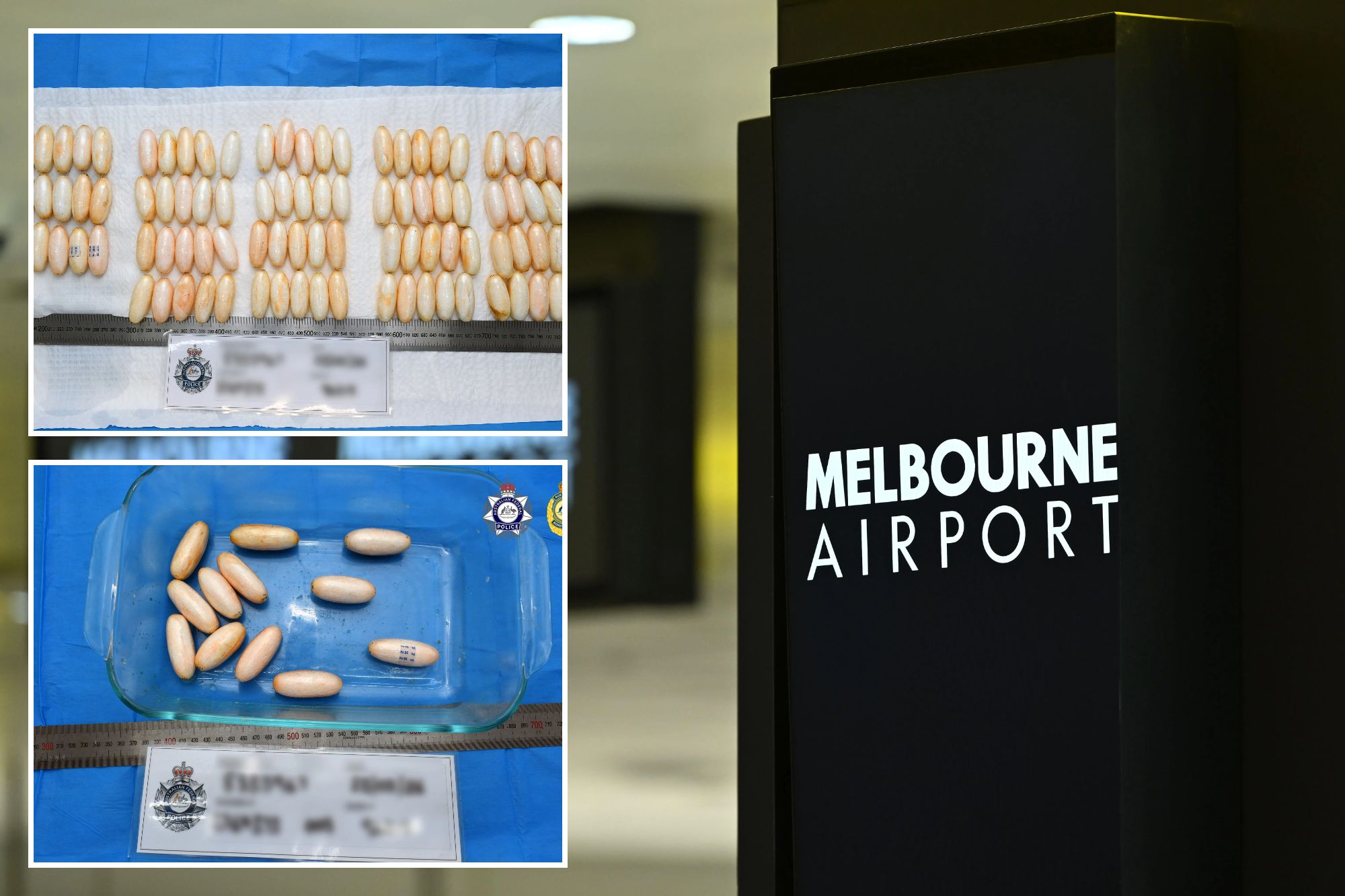
Eagle-eyed border patrol officers picked him out for a search in Melbourne Airport on March 22 after he got off a flight from Bangkok.
The Australian Federal Police (AFP) took the male to a Melbourne hospital for further assessment.
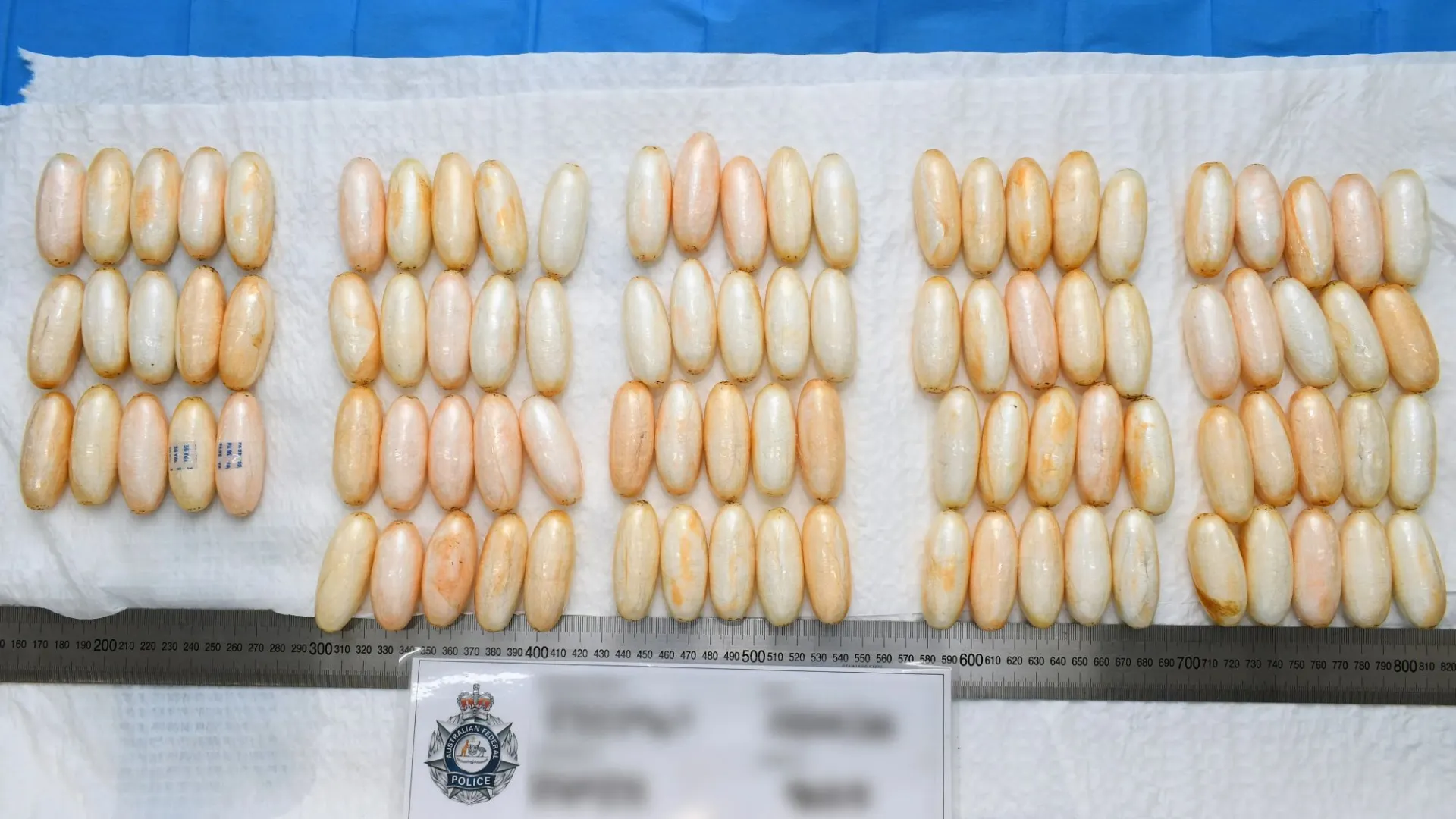
Medical scans allegedly revealed multiple small pellets lurking inside his stomach.
Police say Ezeiru-Maru had more than 90 heroin-filled pellets inside his body.


The alleged packages were later excreted under medical supervision.
Investigators allege the stash weighed a massive 1.1kg.
Ezeiru-Maru was charged with one count of importing a marketable quantity of a border-controlled drug and one count of possessing a marketable quantity of a border-controlled drug.
Both charges carry a maximum penalty of 25 years in prison or a £835,570 ($1.6 million AUD) fine.
He remains in police custody and will appear in Melbourne Magistrates’ Court on June 17.
The 1.1kg of heroin has an estimated street value of between £272,500 and £273,500 ($523,000 and $550,000 AUD).
Australian authorities have slammed ruthless drug gangs who treat human couriers as “disposable”.
“Transporting drugs internally is extremely dangerous. Even if only one pellet ruptures, it can be fatal,” Acting Commander Simone Butcher said.
“Criminal syndicates treat couriers as disposable.
“They show no regard for the person’s life or the harm these drugs cause in the community,” she added.
“The AFP, working closely with the Australia Border Force (ABF), will continue to detect and disrupt attempts to import illicit substances, no matter how they are concealed.”
Commander Clinton Sims from the ABF also spoke to the media.
He noted that acting as a drug courier carried not just legal risks, but significant health risks too.
“ABF has advanced, intelligence-led, screening techniques, including working with our international law enforcement partners, to identify travellers who may pose a risk to the Australian community,” he said.
“Our officers are trained to examine more than just baggage, we consider the demeanour and behaviour of travellers, and how they respond to questioning.
“ABF officers are alert to the concealment methods of criminals and have the knowledge and intel before you even step off the plane.”
The investigation is ongoing as forensic tests on the drugs are carried out.