
This article is taken from the February 2026 issue of The Critic. To get the full magazine why not subscribe? Get five issues for just £25.
Growth is always a problem for large businesses in the art market. How do you grow a market which relies on a product where just about every work is apparently unique?
Making multiple prints of that image will help to widen accessibility and availability of the artist’s work at a reduced price. That print market is driven by reasonable rules of supply and demand. Rembrandt and Banksy are probably the artists who best enhanced their “brand”.
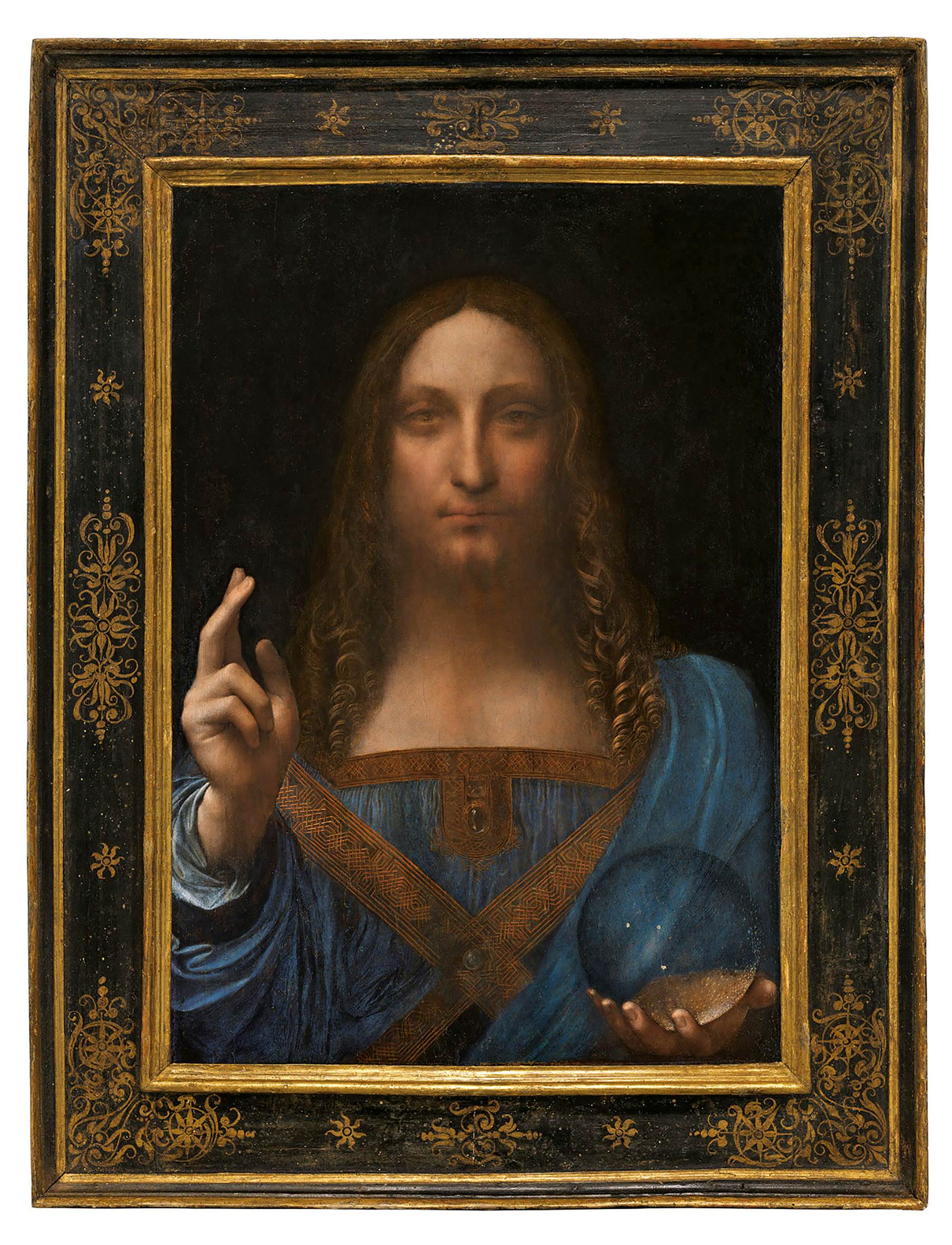
The availability of fewer known works by a great artist will, usually, translate into high prices, such as the Salvator Mundi by Leonardo. A painting by Andy Warhol or Jean-Michel Basquiat is as recognisably by those artists as a bureau plat by André-Charles Boulle is familiar, or a piece of Meissen porcelain.
Indeed, the branding of artists’ names has become almost the central theme of the promotion of art to new buyers, which is how the art market grows, or thinks it can grow.
Much has been written about the so-called Great Wealth Transfer, and the enormous sums due to pass by inheritance in the coming decade to a younger generation. We will see if and how the younger cohort are prepared to pay for Warhol, Basquiat, Boulle and Meissen.
Nevertheless, the number of global billionaires has steadily grown, outpacing inflation, with a greater concentration of the wealthy in places such as the USA, the Middle East and India. That surely represents a potential growth market.
Such a rich and wide demographic is all very promising and provides fertile ground for developing new buyers, but is not the biggest stumbling block to growth. What is actually offered to these new buyers?
I was once told by a librarian friend that there are only two types of book: brown and shiny. The overwhelming majority of worthy editions are brown — the ones which are rare because they are the first edition, or there is a missing digit somewhere on the title page or something marking it out as rare. Brown.
Shiny books, on the other hand, are the minuscule number of books which leap out at you — the incredible skill of the illustrators of illuminated manuscripts, the luxuriously bound editions produced as one-offs for special clients. Beethoven’s manuscript scores for his symphonies. Works which leave familiar concepts behind and take you into another world.
The problem is that although there is greater wealth in more parts of the world than ever before, the quantity of shiny books or works of art is small, and diminishing as so many end up in museum collections.
This is why efforts by dealers, auction houses and writers to promote “yet-to-be-discovered” worlds help to open new buyers’ eyes. The recent jump in collecting dinosaur bones is one example. We are already seeing small pockets of the market take off again. Selected works are back in demand, often inexplicably so.
Museum buying combined with that growing class of buyer of the very best, has contributed to what is often called a “masterpiece market”: a focus on the best of the best. Shiny.
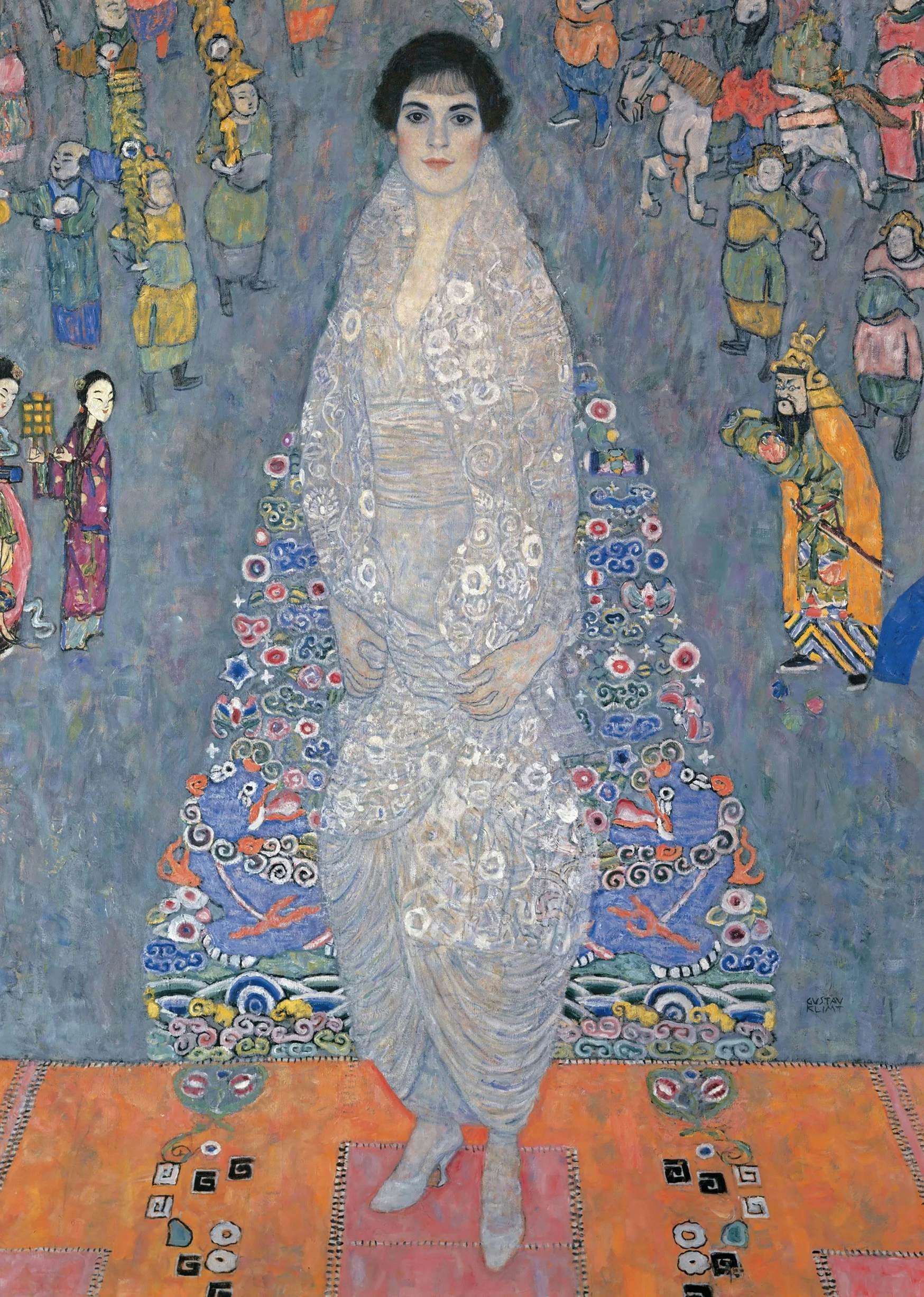
The sale of Leonard Lauder’s three Klimts illustrates this. Six bidders chased the wonderful portrait of Elisabeth Lederer, reaching the massive price of $236m; whilst the two gorgeous landscapes sold at or just above their reserve figures at $86 and $68.3m (no mean feat). These works, and a handful of works by other artists — including the likes of Picasso, Warhol, Monet and Frida Kahlo (the only woman in the dead artists’ super league) are chased by a small group of billionaires. So how shiny does shiny art have to be?
Look to see what is hanging in your billionaire friend’s man cave, and that might be just the stimulus to buy something similar. This is buying for social belonging: to be part of the art collecting class, to be taken seriously and recognised as someone very rich, and maybe even someone with a bit of class.
Billionaire one-upmanship, sprinkled with the chance to “buy history” was how the dealer Joseph Duveen snared America’s robber barons of the Gilded Age. Today the most desired works are great modernist, abstract, symbolist or surrealist works.
Yet Klimt’s work, derived from his fascination with the Austrian landscape and Byzantine mosaics, seems like an anomaly in that club, notwithstanding the art historical value and significance. These three shiny works of art are brightly coloured works which immediately exemplify their “brand”.
Whilst there will always be a bit of hopeful investment, triage and leverage, much of the success or failure of those highly speculative markets is really down to luck. Shiny art will continue to ensure the art market remains in good health.