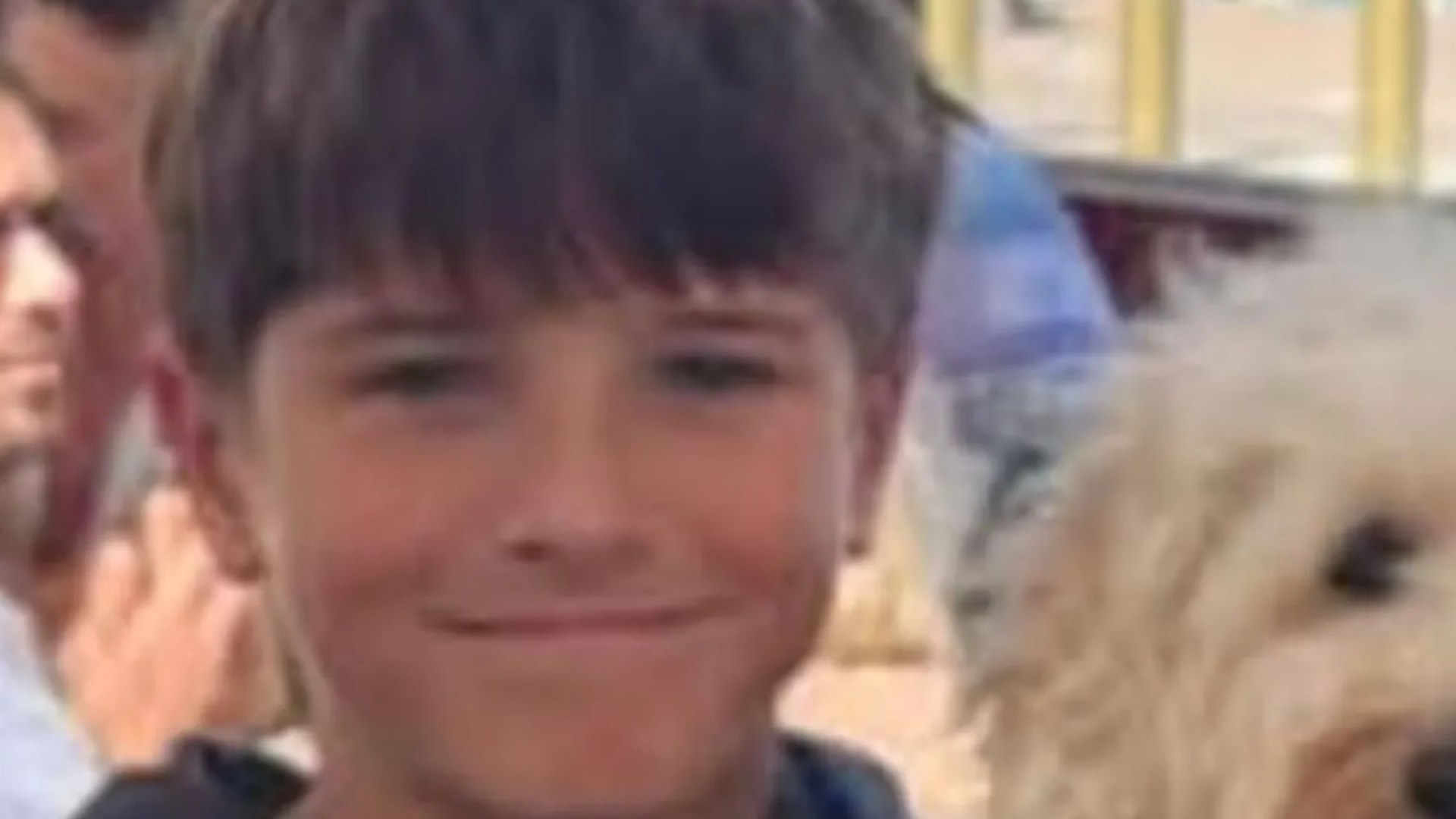
A 12-year-old boy mauled by a shark in Sydney Harbour has died in hospital, almost a week after the attack.
Nico Antic was swimming with friends near Shark Beach at Nielsen Park on January 18 when he was attacked by a suspected bull shark.
In a statement released on Saturday, Nico’s parents, Lorena and Juan, said they were “heartbroken” to share the news of their son’s passing.
They said: “Nico was a happy, friendly, and sporty young boy with the most kind and generous spirit. He was always full of life and that’s how we’ll remember him.
“We would like to sincerely thank the first responders and the teams at Sydney Children’s Hospital, Randwick for everything they did to care for Nico.
“We would also like to thank everyone in the community for their support and kind messages. We ask you to please respect our privacy during this exceptionally difficult time.”
read more on shark attacks

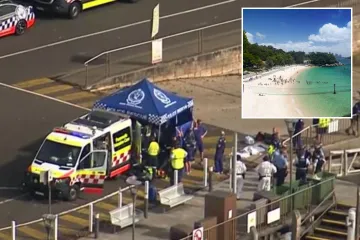
Nico was attacked about 4.20pm after jumping from a rock ledge during the swim.
One of his friends dived into the water to help him, while two others pulled him onto a nearby rock platform, where he lost consciousness.
Water police arrived within minutes and applied tourniquets to Nico’s severely injured legs before performing CPR as they rushed him to Rose Bay ferry wharf.
Paramedics then took him to Sydney Children’s Hospital, Randwick.
Nico underwent surgery and was placed in an induced coma but later died from his injuries.
On Wednesday, children gathered at the rock ledge to lay flowers in his memory.
Nico was a nipper at North Bondi Surf Life Saving Club and was awarded most improved under-11 boys competitor in 2024.
The attack was the first of four shark incidents in the Sydney region over 48 hours.
On Monday evening, musician Andre de Ruyter, 27, was hospitalised after being bitten on the right leg while surfing at Manly.
He suffered severe lacerations and required a lower leg amputation.
Earlier that day, an 11-year-old boy escaped injury after being knocked off his surfboard by a shark at a northern Sydney beach.
On Tuesday, Paul Zvirzdinas, 39, was bitten at a beach on the state’s mid-north coast, about five hours north of Sydney.
Almost 30 Sydney beaches were closed following the attacks. All were reopened ahead of the weekend, but Manly Beach was closed again on Saturday after another shark sighting.
It comes as experts have linked the spike in shark activity to intense rainfall.
Bull sharks are known to operate close to shore, particularly in murky water after heavy rain.
Professor Rob Harcourt, a shark expert from Macquarie University, said the timing of the attacks created what he described as a “perfect storm”.
He told The Guardian: “For bull sharks, the likelihood of a bite is tightly linked to freshwater inflows, and that is no surprise if we understand their ecology.”
Bull sharks are unusually tolerant of low-salinity water and actively move toward runoff-filled areas where fish gather.
Tracking data shows they head quickly into turbid water after heavy rain.
But low visibility doesn’t deter them.
Dr Daryl McPhee, a shark bite expert at Bond University, said bull sharks rely on pressure changes and electrical signals rather than eyesight when hunting.
He explained to The Guardian: “They are well adapted to feeding in those murky waters.”
What makes bull sharks so deadly?
Bull sharks are aggressive, medium sized sharks that weigh between 200 and 500 pounds.
They get their name from a short, blunt snout and a tendency to head-butt prey before attacking.
They are third most likely to attack humans behind tiger sharks and great whites and can swim in salt AND fresh water.
They are often found lurking in shallow, warm and turbid waters.