This article is taken from the March 2026 issue of The Critic. To get the full magazine why not subscribe? Get five issues for just £25.
Certain phrases, lifted from famous writers, are best avoided. When political journalists lean on verbal crutches like “things fall apart”, or scribes-at-large evoke the opening line of Pride and Prejudice about a truth being “universally acknowledged”, it is time to start counting the spoons — oh no, another cliché!
But Leslie Hartley’s curtain-raiser from The Go-Between makes the cut, just about. The past is a foreign country. They do indeed do things differently there, and there are times when it is necessary to point it out.
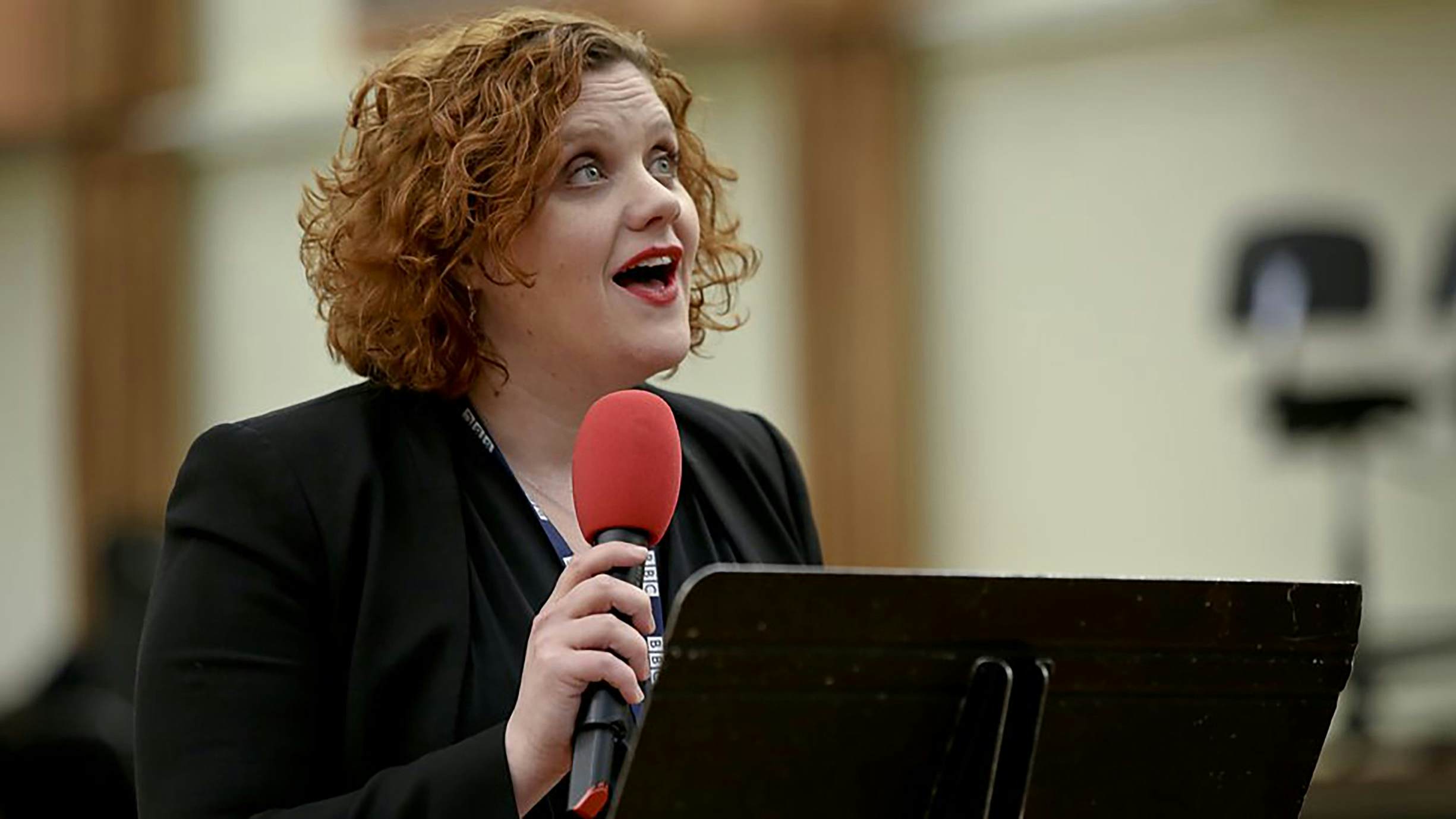
So it was instructive to go back, with Radio 4’s Illuminated programme, to a survey conducted by Mass Observation in 1937. Katharine Longworth, the producer, asked people in the Lancashire town of Bolton (“Worktown” in the survey) the question put to those folk 90 years ago: “what is happiness to you and yours”.
The finest minds, from Plato to Ken Dodd, have pondered the thorny subject of happiness. Perhaps the wisest conclusion belonged to John Stuart Mill, who thought that if you asked yourself whether you were happy you ceased to be so.
The Boltonians of ’37, who had old-fashioned names like Warburton and Horrocks, thought family, friends and neighbourhood were the central features of a good life. Modern Boltonians, who arrived from places like Morocco and the Punjab, didn’t disagree.
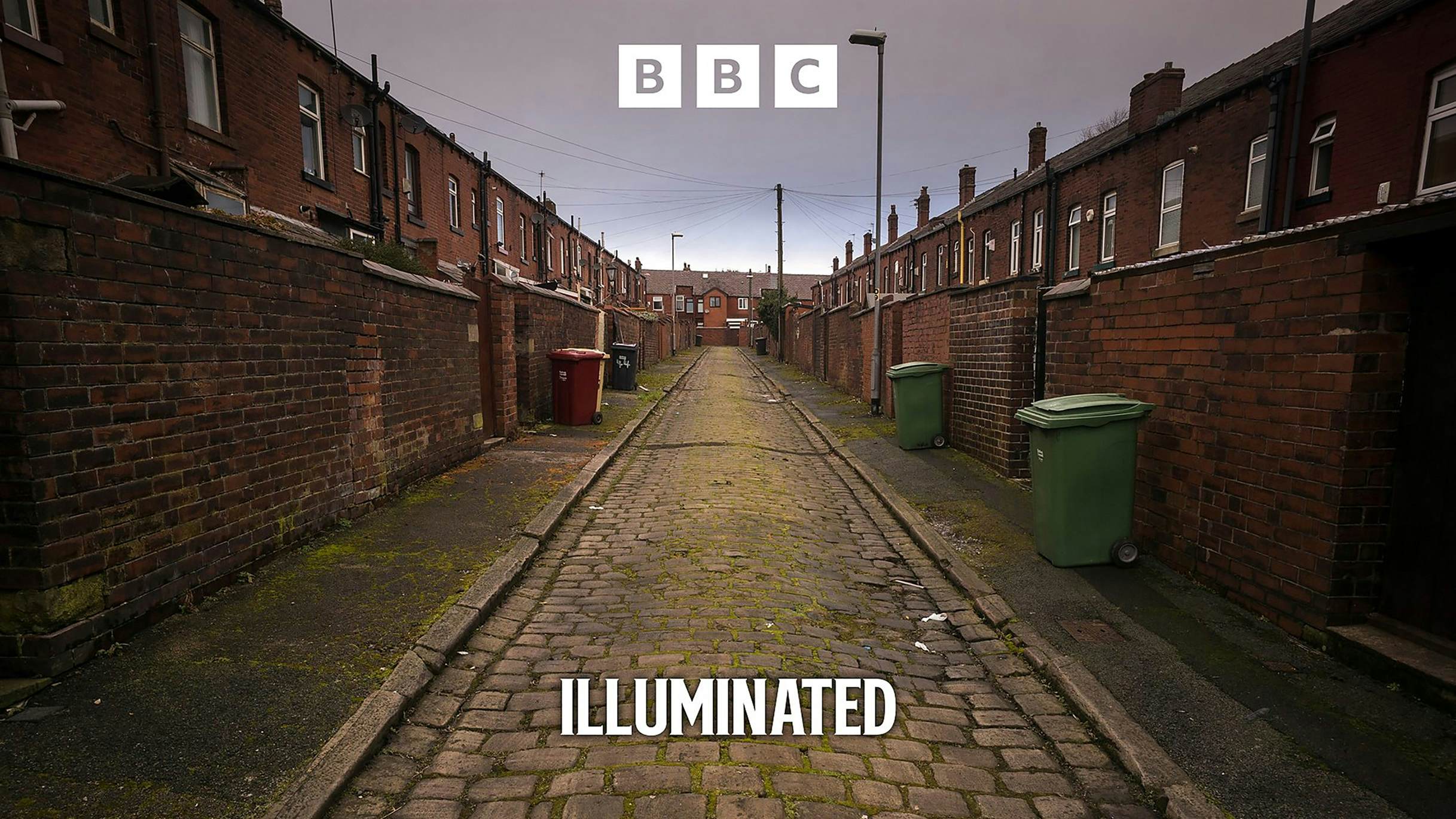
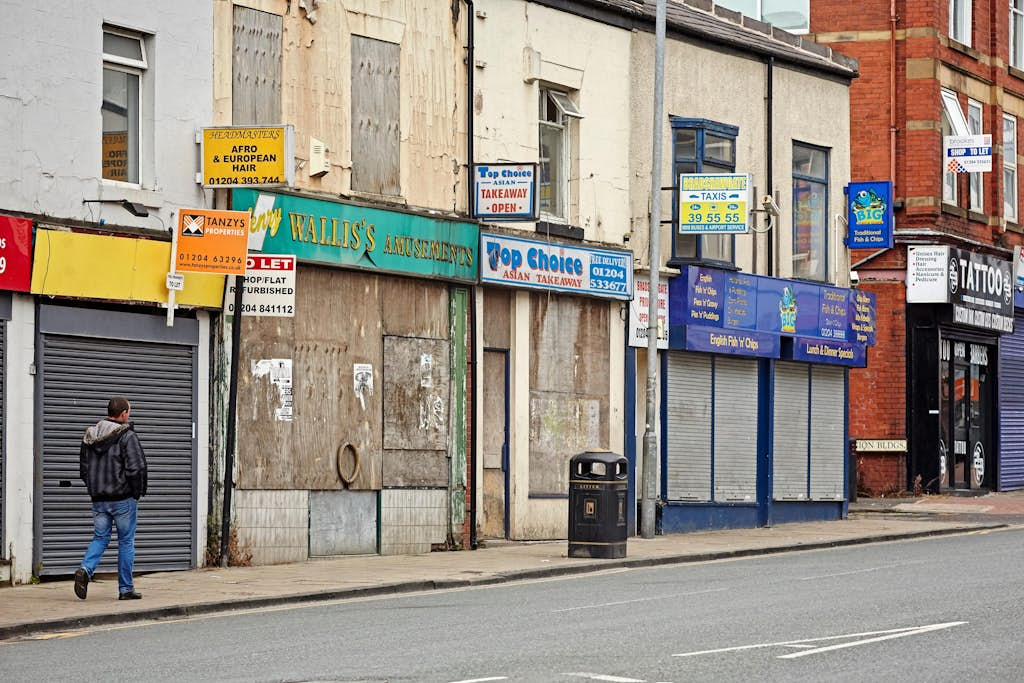
For one listener it was a sentimental journey which, like all trips back to the “foreign” province of childhood, was alluring and disconcerting. For I grew up in Bolton, in the Sixties. Then it was a post-industrial settlement, with its future behind it. Now, like so many towns, it has shed its original identity and not found another.
Longworth spoke to Marie Walsh, an impish 87, who has run the town’s celebrated pasty shop since 1961. As a choirboy I sang 200 yards away at the parish church, where my parents were married, and from where they were carried into the next world.
In Curzon Road, near Queen’s Park, a lady called Josie lamented the number of transient families. Another pang. My maternal grandparents lived next door, in Park Road, where the householders may have been poor but had self-respect. It’s a very different world now.
In Tonge Moor, where my mother was the headteacher at the local comprehensive school, Michelle bagged up fruit from her garden to feed those who had no harvest-giving trees. She enjoyed living there. In Bradshawgate, where I acquired my first cricket bat at Albert Ward, the sports outfitter, the pubs are now garish bars and vape shops abound.
Preston’s of Bolton, “the diamond centre of the north”, known all over Lancashire, went 20 years ago. Last month it reopened — as a “coffee house”. Whitaker’s, a handsome department store, is no more. The Town Hall, that symbol of civic pride, still stands watch, but what does it symbolise?
Bolton Wanderers carry the town’s name, though they are now in what used to be called the Third Division of the Football League. “The Trotters” left Burnden Park, celebrated in a painting by Lowry, “Going to the Match”, in 1997. Since then they have played five miles out of town.
The Wanderers won the first FA Cup Final at Wembley in 1923; my mother’s father was present. Three decades later they supplied the national team with its finest ever centre forward, Nat Lofthouse. Now it’s hard to find an Englishman, never mind a Lancastrian, in the Wanderers line-up.
This decay is not exclusive to Bolton. The other Lancashire towns that provided the Football League with five of its founding members are also grotty places, where immigration has altered the familiar worlds of work and play. For Bolton, read Accrington, Blackburn, Burnley and Preston.
In some hearts, hope strikes flints. Going up Blackburn Road, towards Turton, Longworth found a 90-year-old man raised in poverty. He had served in the Army and, though he didn’t specify what he did, had found purpose in the great outdoors.
“Keeping busy, and doing things” was his road to happiness. He had brought two sons into a world he had helped make a little bit better. No point moping, he said. Get up early, and face the day. Look at the moors. They’re marvellous. I wouldn’t want to live anywhere else. I know those moors because I scattered my mother’s ashes upon them two years ago. Bolton will always be the town where I grew up, whether I want to claim that inheritance or not.
My ashes will not rest on those moors.
Betjeman wrote a beautiful poem, “Norfolk”, about his childhood holidays on the Broads, and the loss of innocence:
The peace, before the dreadful daylights starts,
Of unkept promises and broken hearts.
Try as we might, we can never escape.