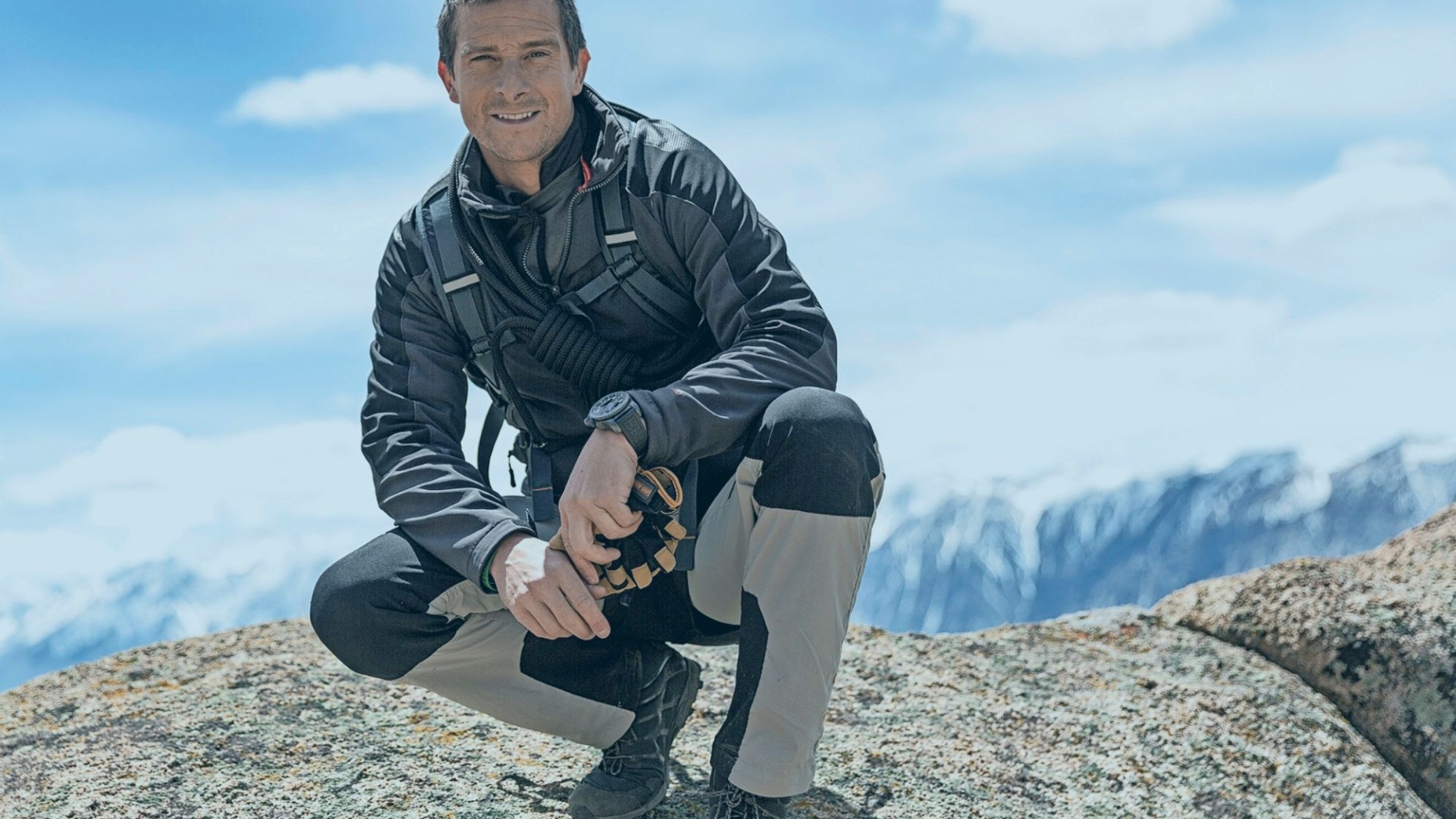
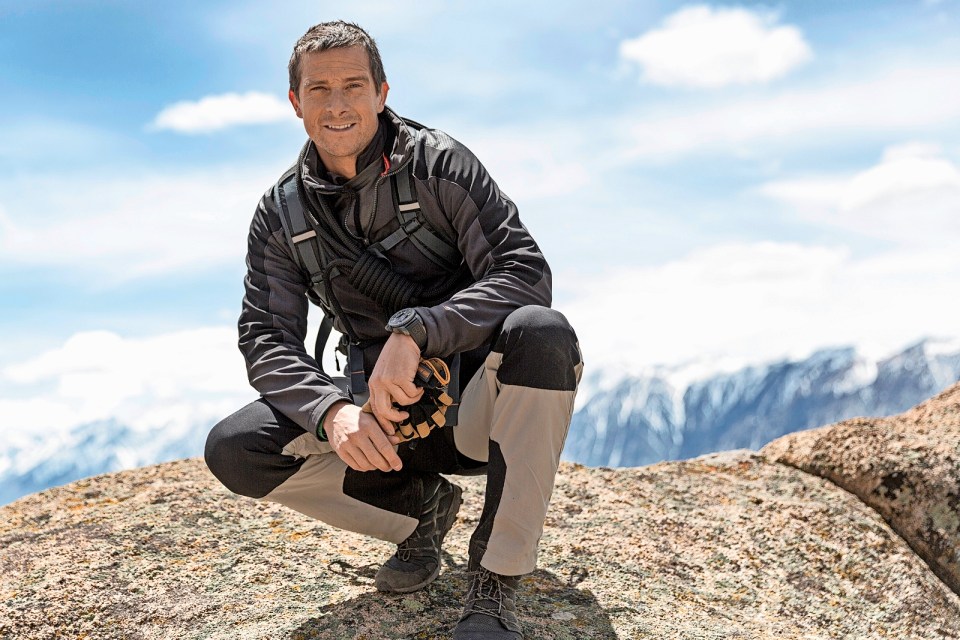
British adventurer and survival expert Bear Grylls has publicly admitted for the first time that he failed SAS selection when he tried to join the elite regiment 32-years ago.
Grylls, 51, who is now the Honorary Colonel of the Royal Marines, claimed that he only got “about half way through” the gruelling selection course on his first attempt.
He said: “I failed SAS Selection the first time. People don’t know that. They just see the headline.”
“120 of us lined up on day one. They told us ‘there’ll be four of you at the end of this’.
“I got about halfway through. I wasn’t fit enough. Strong enough. Smart enough. Good enough.”
“And here’s the thing: three quarters of the guys who passed with me the second time had also failed the first time.”
The adventurer added: “Second time was the key. The only way to get to the good stuff is through failure.
“Not around it. Through it. I’m proud of my failures now. I don’t run from them. I’d hate people to think I’ve gone from success to success. That’s not success. That’s not real.”
Grylls made the disclosure in a series of posts on X which included pictures of him as an SAS reservist.
After passing SAS selection he served with 21 SAS for three years until a major free-fall parachuting accident cut his time short
The UK Special Forces (UKSF) selection process is widely regarded as one of the toughest in the world’s armed forces.
While reservists hoping to serve in either 21 or 23 SAS follow a slightly different pathway, the extreme physical demands and intense psychological challenges of the training remain largely the same.
The pass rate for those attempting to join the SAS, including the reserves, is notoriously low, typically around 10 per cent.
The Aptitude Phase – known as the Hills Phase – is the first stage of selection, taking place in the Brecon Beacons in Wales.
Over three weeks, candidates are tested on a series of marches against the clock.
Carrying progressively heavier bergens, this part of the course tests navigation under arduous conditions and will push applicants to their physical and mental limits.
The iconic “Fan Dance” – a name synonymous with pain – is a 24km march conducted during the first week and involves ascents of Pen Y Fan.
Carrying a weight of around 30-35kg plus a rifle, candidates must complete the route in under four hours and 10 minutes.
The phase culminates with the “Long Drag”, a 64km trek that must be completed in under 20 hours.
For those joining the reserves, applicants will undertake a further period of training on the Standard Operating Procedures and Tactics Course (SOPTAC) – an intensive period of instruction and assessment on Special Forces tactics, techniques and procedures.
Upon completion of the SOPTAC, successful candidates aiming to join the regular 22 SAS unit move on to the Jungle Phase in Belize or Brunei, widely regarded as the most demanding stage of the entire selection course.
The next phase tests a candidate’s ability to operate and survive behind enemy lines.
A touchpoint for all UKSF pathways, Surveillance Reconnaissance, Signals and SERE (Survive, Evade, Resist, Extract) training simulates real-world challenges that can be faced in hostile environments.
Evasion and survival skills are taught and cover a wide spectrum – including bushcraft and camouflage – while resistance to interrogation places candidates under extreme stress, including sleep and sensory deprivation, and stress positions.
The final phase of selection – Continuation Training – equips SAS reserve soldiers with all the core skills required to be considered fully deployable, including Close Quarters Combat.
Both 21 and 23 SAS continue to operate within the same UKSF structure.
Beyond serving as a backup, they carry out their own missions and support regular forces, seamlessly bridging civilian life with the demands of elite military service.