Autism has become ‘glamorised’, with the diagnosis seen by some as ‘desirable’, according to a leading expert on the disorder.
Dame Uta Frith, who pioneered much of the research that underpins autism, warned that the expansion of the label to include people who suffer from conditions such as anxiety has brought the entire framework to ‘collapse’.
She said the drive for ‘inclusivity’ had caused the concept of the autism spectrum to become so ‘stretched’ that it is now ‘meaningless’.
The 84-year-old academic, now Emeritus Professor of Cognitive Development at the Institute of Cognitive Neuroscience at University College London, has spoken out following warnings about overdiagnosis.
Over the past ten years the number of school children assessed as having complex needs due to autism has almost tripled, according to the Institute for Fiscal Studies.
That accounts for 40 per cent of the total increase in education, health and care plans (EHCPs), leaving some councils almost bankrupted by the cost.
Critics claim overdiagnosis of conditions is behind the soaring bill for the special educational needs and disabilities system, which has prompted ministers to promise reforms.
Meanwhile Health Secretary Wes Streeting has ordered an independent review into rising demand for services for mental health, ADHD and autism, which is set to report later this year.
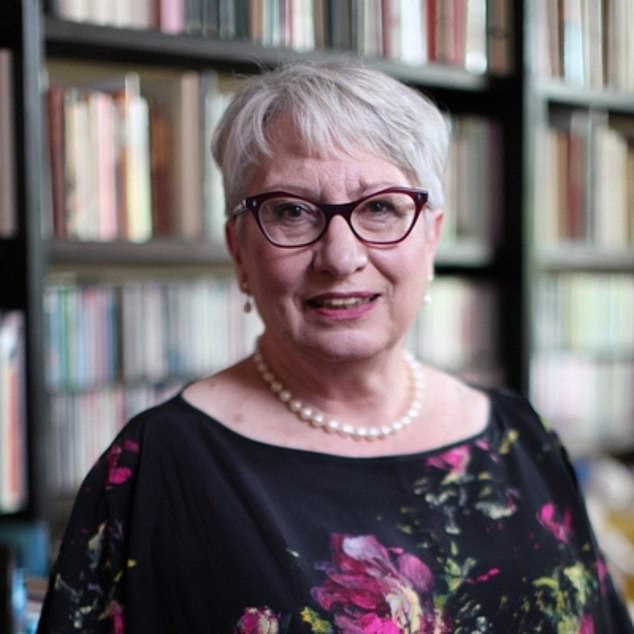
Dame Uta Frith, who pioneered much of the research that underpins autism, says the concept of a spectrum has become so ‘stretched’ that it is now ‘meaningless’
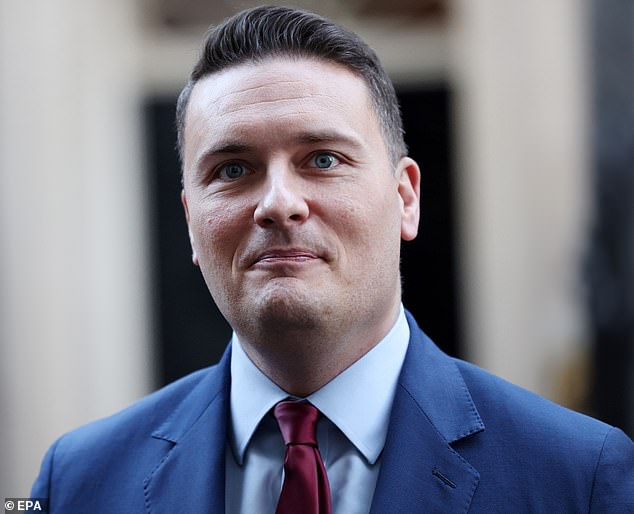
Wes Streeting has ordered an independent review into soaring demand for mental health, ADHD and autism services after warning of an ‘overdiagnosis’ of conditions – before backtracking on his comments
Mr Streeting said mental health conditions were over-diagnosed and too many people were being ‘written off’ – although he later backtracked and said his comments were ‘divisive’ and ‘failed to capture the complexity of this problem’.
Dame Uta, who is credited with recognising that autism is a condition of the brain rather than a consequence of cold parenting, told the TES magazine she was ‘very happy’ that the current ‘dire’ system was being re-examined.
‘I think the spectrum has come to its collapse,’ she told the Sunday Times.
The renowned German-born neuroscientist believes a culture of ‘inclusivity’, which has led to a wider group of people being diagnosed as having autism spectrum disorder (ASD), means there is now ‘no longer a common denominator’ between them.
The number of children meeting ‘strict’ criteria – involving tell-tale signs such as impaired social communication and interaction, and repetitive behaviour – has ‘remained relatively stable’, Dame Uta said.
But a second group – often younger women – with milder issues who are otherwise verbally fluent but ‘feel highly anxious in social situations’ and are ‘hypersensitive’ has grown dramatically.
Being autistic has become ‘glamorised, and a diagnosis has become somewhat desirable’, she said, contrasting it with the attitude towards a condition like schizophrenia.
‘The spectrum has become so accommodating that I fear that it has now been stretched so far that it has become meaningless and is no longer useful as a medical diagnosis,’ she said.
Dame Uta stressed that she does not want to diminish the debilitating effects of traits such as aversion to noise or social awkwardness.
But she says including them within the autism spectrum disorder can actually be counter-productive.
In order to target research and support where it is really needed, she is now in favour of replacing the existing spectrum with subcategories such as strict clinical autism, Asperger’s, and conditions such as hypersensitivity.