TWO Australian leaders have confirmed they will make public transport free in major cities as the “Mad Max”-esque fuel crisis continues amid war in Iran.
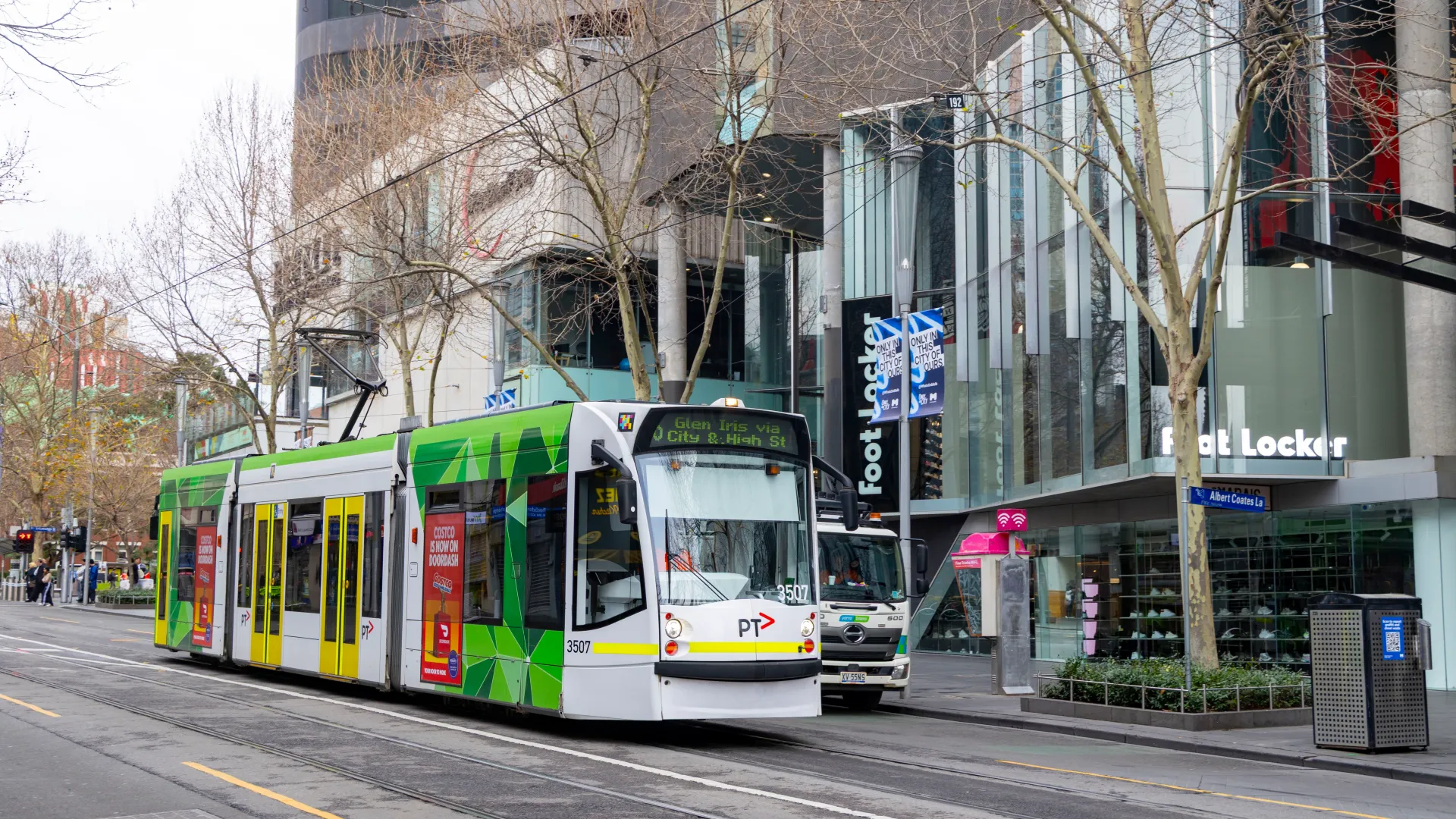
Commuters across the country will be able to take advantage of free travel on trains, buses and trams from Tuesday.
In Victoria – including the capital Melbourne – transport will remain free for at least one month in the bid to ease pressure at the petrol pumps.
Tasmanian commuters will also benefit from free transport on buses and ferries between March 30 and July 1.
The unprecedented move will cost the state government an estimated $70 million (£36 million).
The temporary cost-of-living measure has come as the price of petrol has skyrocketed to almost $3 (£1.56) per litre.
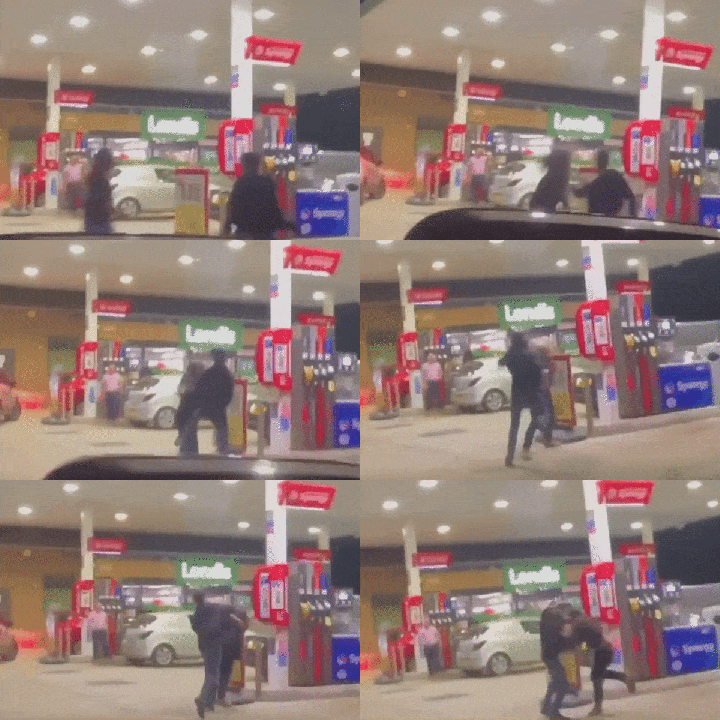
On top of this, more than 100 petrol stations have reported that they had run out of fuel.
The Sun understands panic-buying in the state is “worse than during the Covid-19 pandemic”.
Popular Australian hardware outlet Bunnings has reported that stores are running out of jerry cans.
The chaos has been likened to the post-apocalyptic world depicted in Mad Max where fuel became a scarce commodity.
An employee from a Melbourne Bunnings outlet revealed to The Sun that jerry can shipments were flying off the shelves “45 minutes after being restocked”.
“We haven’t run out of every single jerry can, but the really popular big litre ones are going,” the employee said.
“We’re getting jerry can deliveries at least three to four times a week and once we fill the shelves within 45 minutes they’re gone.”
The employee said the company was having to “source different suppliers” for the petrol storage as people across the country are panic buying the commodity.
“We’re getting different ones in on promotion and they’re being merchandised into stock wherever they fit in the promo sections of the floor,” they said.
“Because people are stockpiling fuel, stores are making promotional front ends [of aisles] and merchandising them at the very front of the store so people just come in, buy them and leave.”
They also said stores were “getting to a point that [purchases] would have to be limited to one or two jerry cans per customers per day”.
“People are also attempting to use water storage jerry cans to hold petrol, but because they’re not made of the right plastic, they’re either melting or exploding,” the employee said.
“The plastic that is used for actual jerry cans is designed to hold them for periods of time whereas the watering ones are not designed for that – so the petrol goes off or is not usable.
The mistake has reached such a level that the employee said stores are installing signage warning customers not to use water storage for fuel.
Australia imports 90 per cent of its fuel, with nearly all of it coming from Asian refineries.
Prime Minister Anthony Albanese will meet with state leaders next week to organise a national response to the escalating crisis.
But leaders in Sydney and New South Wales have reportedly rejected calls for free public transport.
The move comes as the Australian Association of Convenience stores – the trade body for service stations – reported a spike in theft of up to 50 per cent across the country.
Desperate drivers are also reportedly breaking into farms and rural properties to siphon diesel.
Since the outbreak of conflict in Iran, the flow of oil through the Strait of Hormuz has been greatly restricted, leaving Australia and other places in the broader Asia-Pacific region at risk of collapse under the pressure of war.
Petrol prices have risen from an average of $1.70 a litre (£0.88) to an average of $2.50 and rising according to local media.
On Sunday, Victorian Premier Jacinta Allan said offering free public transport would make it more affordable for people able to commute using trains, buses and trams over driving.
“This is a temporary measure to help with the cost of living – it will take pressure off the pump and help you save,” she said.
“This won’t solve every problem, but it’s an immediate step to help Victorians right now while we keep working on new solutions to make Victoria more affordable.”
Tasmanian Premier Jeremy Rockliff said the state’s residents had increasingly chosen to use public transport over driving, with a 20 per cent increase in the last week.
“We know the rising cost of fuel is impacting the family budget, and that’s why we have again taken strong and decisive action to protect Tasmanians,” he said.
“We are stepping up to support Tasmanians when they need it most, delivering one of the state’s most significant cost-of-living measures.”
Across Australia, fuel stations are reporting that they have run dry following widespread panic buying, leading to shortages particularly in remote regions.
The country has also been releasing petrol and diesel from domestic reserves to ease shortages affecting rural supply chains, mining and agriculture.
With 80 per cent of Asia’s oil and LNG travelling through the Strait of Hormuz, the region has been hit hard by fuel shortages and price hikes, with no clear end in sight.