
ANTIDEPRESSANTS can impact weight, heart rate and blood pressure – but effects vary widely according to which one you take, scientists say.
The prescription medicines help treat low mood, depression or anxiety.
Some 92.6 million antidepressants were prescribed to an estimated 8.89 million patients in England in 2024/2025.
Academics at King’s College London ranked common antidepressants, based on known side effects linked to the drugs in the first eight weeks of treatment.
The research team, led by academics at the university’s Institute of Psychiatry, Psychology & Neuroscience (IoPPN), examined data on 58,534 people who took part in more than 150 studies, which compared 30 antidepressants with a dummy drug, known as a placebo.
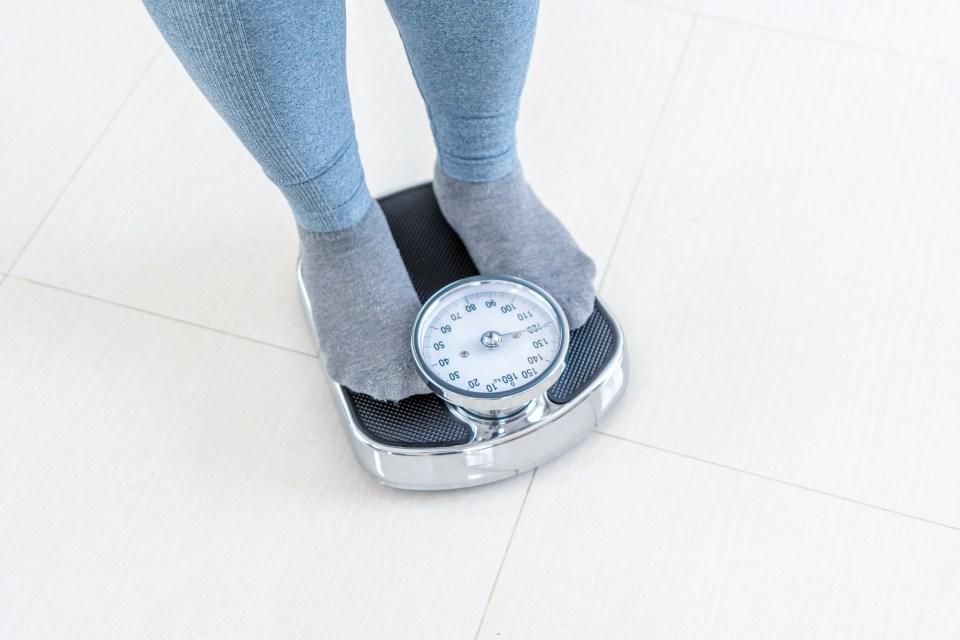
The review showed that people taking certain antidepressants can put on up to 2kg in the first two months of treatment, while patients taking other drugs can expect to shed 2.5kg.

Researchers pointed out that each 1kg in weight gain increases a patient’s heart risk.
And increases in blood pressure can also increase a person’s risk of stroke.
Scientists said the findings, which have been published in The Lancet, should “empower” patients and urged them to speak with a medic if they have any concerns about their treatment.
Senior author of the study, Dr Toby Pillinger, an academic clinical lecturer at King’s IoPPN and a consultant psychiatrist, said: “Antidepressants are among the most widely used medicines in the world.
“While many people benefit from them, these drugs are not identical – some can lead to meaningful changes in weight, heart rate, and blood pressure in a relatively short period.”
The review included drugs like sertraline, amitriptyline, citalopram, agomelatine, maprotiline, fluvoxamine, and nortriptyline.
According to data from NHS Business Services Authority (NHSBSA) the antidepressant sertraline was prescribed to an estimated 2.9 million patients in England last year.
This drug, also known as Lustral, was linked to a 0.76kg weight loss and a reduction in heart rate of an average of two beats per minute.
But it was also linked to slight increases in systolic and diastolic blood pressure.
Systolic pressure refers to the pressure against your arteries when your heart is pumping blood around your body, while diastolic pressure is the pressure is in your arteries when your heart relaxes between beats.
The aim isn’t to deter use, but to empower patients and clinicians to make informed choices and to encourage personalised care
Dr Toby Pillinger
NHSBSA data shows that amitriptyline was given to 2.2 million patients in England in 2024/2025.
This drug was linked to a 1.6kg increase in weight, on average; an increase in heart rate of nine beats per minute, as well as increases in both systolic and diastolic blood pressure.
Amitriptyline is a type of drug called a tricyclic antidepressant.
It’s not recommended as a first-line treatment for depression, with the National Institute for Health and Care Excellence urging medics to try a type of treatment called a selective serotonin reuptake inhibitors (SSRI) – like sertraline – first.

As well as being used as a treatment for low mood and depression, amitriptyline can also be prescribed for pain management and migraines.
Some 1.4 million people were prescribed citalopram last year, another SSRI.
Researchers found this drug was linked weight loss rather than weight gain.
Patients lost an average of 0.65kg in weight and saw decreases to heart rate and systolic blood pressure, but a slight increase in diastolic blood pressure.
The potential side effects of ‘happy pills’
Antidepressants can be highly effective in treating depression and other mental health conditions, but like all medications, they may cause side effects.
Below is a generalised list of potential side effects:
- Nausea or upset stomach
- Drowsiness or insomnia
- Dizziness or light-headedness
- Dry mouth
- Headaches
- Weight changes (gain or loss)
- Increased sweating
- Constipation or diarrhoea
- Sexual dysfunction (e.g., reduced libido, difficulty achieving orgasm, erectile dysfunction)
- Feeling anxious, restless, or agitated, especially when starting treatment
- Blurred vision
- Fatigue or low energy
- Changes in appetite
- Increased blood pressure (for some medications)
- Risk of withdrawal symptoms if stopped abruptly (e.g., dizziness, irritability, flu-like symptoms)
- Rare but serious side effects, such as serotonin syndrome (caused by excessive serotonin levels, leading to confusion, rapid heart rate, and muscle stiffness)
In young people (under 25), antidepressants may temporarily increase the risk of suicidal thoughts or behaviour, especially during the early stages of treatment.
Older adults may also be at risk of low sodium levels (hyponatraemia) with certain antidepressants.
Not everyone will experience side effects, and for many, the benefits of treatment outweigh the risks.
If side effects occur, they are often mild and improve as the body adjusts to the medication. However, severe or persistent side effects should be reported to a doctor.
Never stop taking antidepressants suddenly without consulting a healthcare professional.
Overall, researchers found that there was an “approximate 4kg difference in weight change” depending on which drugs patients were prescribed.
Those given agomelatine lost an average of 2.4kg, while those given maprotiline – which is not usually prescribed in the UK – putting on an average of 1.82kg.
On heart rate, they found “over 21 beats-per-minute difference in heart rate change” between fluvoxamine, which reduced heart rate by eight beats per minute, and nortriptyline, which increased it by an average of 13.8 beats per minute.
They acknowledged that a key limitation of the study was its focus on the first eight weeks of treatment.
They said more research is needed to assess longer-term side effects.
‘Way forward for NHS’
Dr Pillinger said: “Our findings show that SSRIs, which are the most prescribed type of antidepressant, tend to have fewer physical side-effects, which is reassuring.
“But for others, closer physical health monitoring may be warranted.
“The aim isn’t to deter use, but to empower patients and clinicians to make informed choices and to encourage personalised care.”
Study author Andrea Cipriani, professor of psychiatry at the University of Oxford, added: “Most clinical decisions – especially in mental health – are still made by physicians with little input from patients.
“Our results emphasise the importance of shared decision making, the collaborative process through which patients are supported by the clinicians to reach a decision about their treatment, bringing together their preferences, personal circumstances, goals, values and beliefs.
“This should be the way forward in the NHS and globally.”
Commenting on the study, Rosie Weatherly, information content manager at the mental health charity Mind, said: “It’s so important that people receive mental health support and treatment that considers their individual needs and preferences.
“As this study highlights, antidepressants vary in their side effects and health professionals need to carefully consider the benefits and risks of different medications for different people.
“If you’re already taking medication and you’re worried about its side effects, it’s always OK to ask your doctor or pharmacist for advice.
“It’s important not to stop taking any medication without advice from a health professional about how to do this safely.”
How to spot depression in yourself or loved ones

Depression is a mood disorder that causes a persistent feeling of sadness and loss of interest and can interfere with your daily life.
The most common signs of depression:
Andrew Kidd, senior psychological therapist accredited by the British Association for Counselling and Psychotherapy, tells Sun Health: “Symptoms of depression can include noticeable changes in mood.
“This can be difficult to identify as some people may choose to try to hide their moods from others for fear of being a burden.
“But the change in mood may appear as persistent sadness, emptiness, apathy, or even a sense of despair. At times, it can also come across as irritability.
“Sometimes people get angry at some things when they struggle to feel sadness for others.
“Physical changes can be common. Some people experience significant weight loss or gain, or show less interest in their personal appearance and self-care – for example, not shaving, wearing the same clothes repeatedly, or replacing proper meals with only snacks.
“Loss of interest in activities someone used to enjoy is another symptom. Social withdrawal is frequent, as being around others may feel overwhelming.
“Isolation in depression is less about the number of people you’re around, and more about feeling disconnected from yourself.
“Cognitive and emotional symptoms are also present. People may struggle with concentration, memory, or decision-making, while also feeling drained, agitated, guilty, or overwhelmed by feelings of worthlessness.
“It’s important to remember that every symptom tells a story, and together, these stories speak the language of depression.”
The lesser-known symptoms:
- Headaches
- Stomach aches
- Body pains
- Cramps
- Speaking slowly
- Moving slowly
- Irritability
- Substance use
- Increased or decreased sex drive
- Overworking
- Declining work performance
- Fading attention to detail
- Difficulty maintaining basic routines
- Co-dependency in relationships
- Needing constant attachment
Dr Lade Smith CBE, President of the Royal College of Psychiatrists, said: “We know that more than 7 million adults have depression in England alone and that severe depression can devastate people’s lives if left untreated.
“Antidepressants play a key role in the treatment of more severe depression and are particularly effective when used in combination with talking therapies.
“As with all drugs, antidepressants have side effects, and we very much welcome this study which helps improve our understanding of some of the physical side effects that can be caused by different types of antidepressants.
“These findings will help patients and clinicians choose the medication that is best suited to their personal needs.


“It is vital that these decisions are informed by the best available evidence.
“Research such as this, is and should be used to inform guidance for clinicians and is taken into consideration during discussions with patients on the benefits, risks and side effects of these medications.”