SUPERFLU outbreaks have forced another secondary school to shut down as cases surge by 55% in just one week.
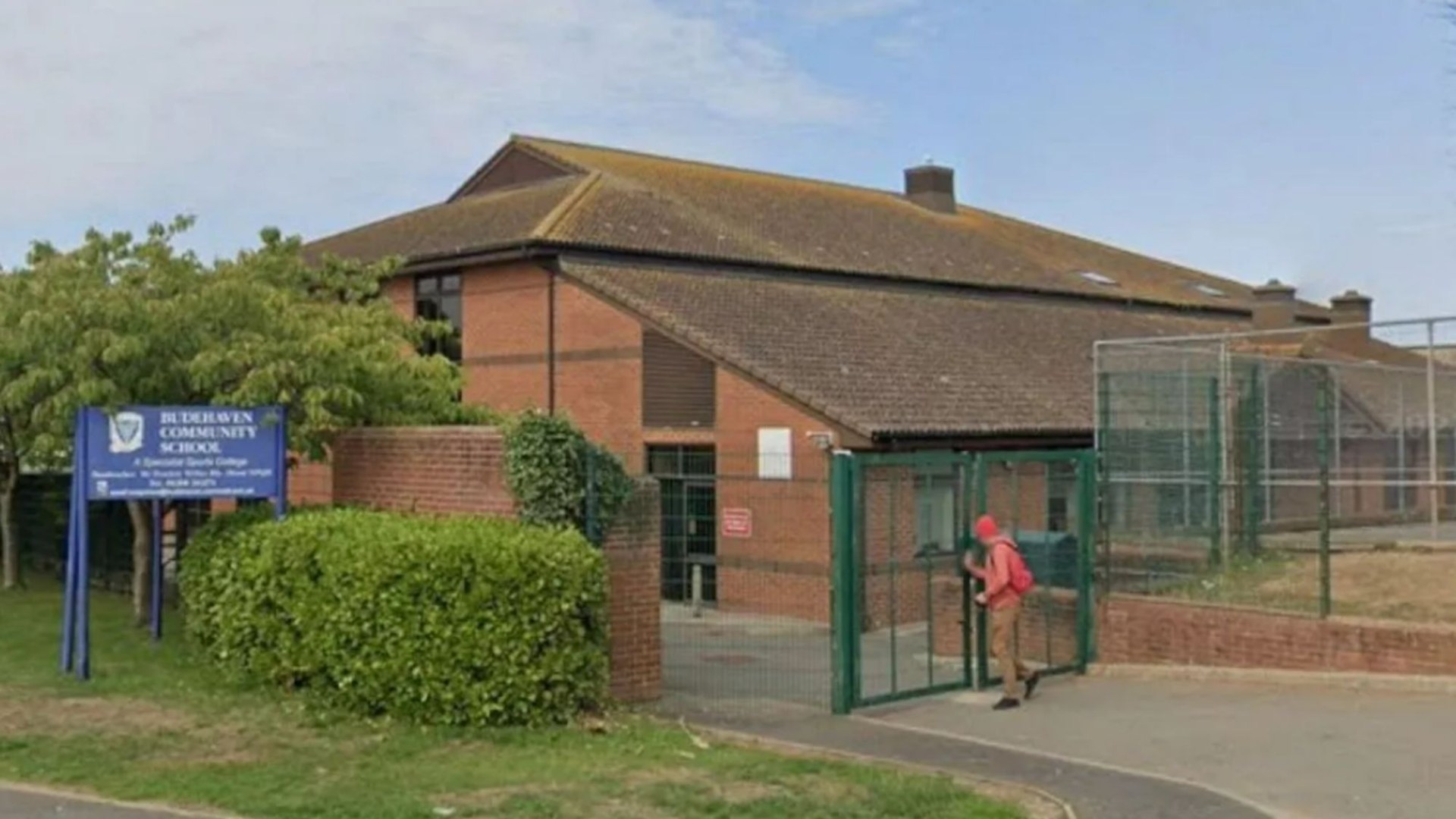
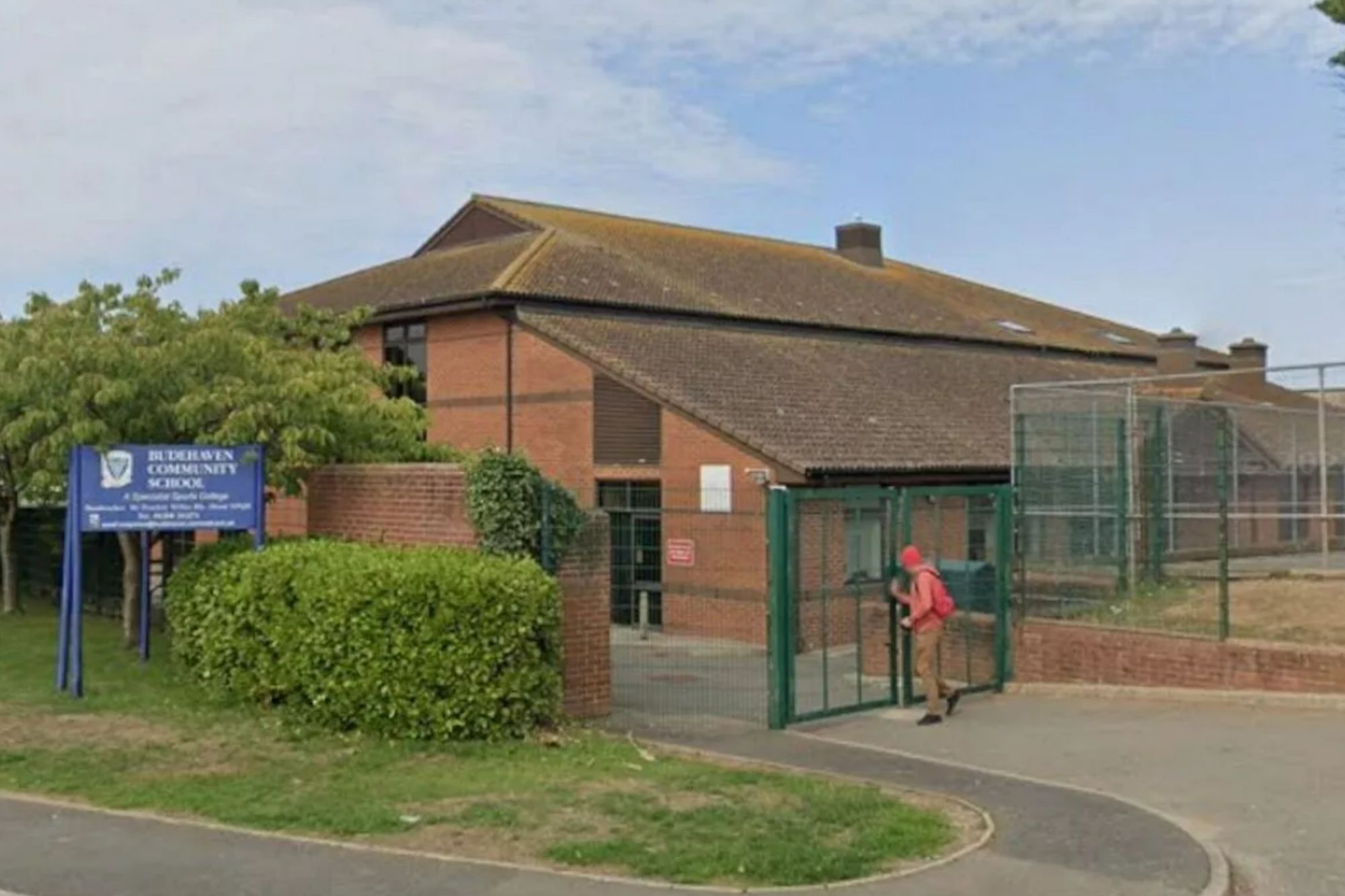
Budehaven Community School in Cornwall has implemented Covid-style shut downs in a bid to stop an “unprecedented” spread of the mutant bug.
Students and teachers in the Bude secondary and sixth form have been struck down with Strep A and flu.
The site has been cleared out, with 1140 pupils being delivered their lessons via online learning.
It is understood classes should resume as normal in school next week.
Headteacher Dominic Wilkes told parents in a message on social media: “Following a careful risk assessment regarding the current unprecedented and increasing incidences of Influenza (Flu) and Group A Streptococcus infection amongst our pupil, Sixth Form student, and staff populations, we have consulted with Cornwall Council leaders, the school’s Chair and Vice Chairs of Governors, and the UKHSA regarding the situation.

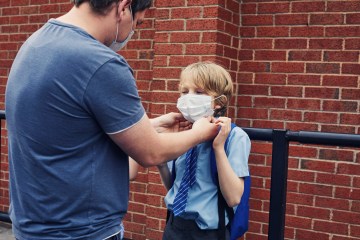
“In order to mitigate the risk of further infection, it has been agreed by Cornwall Council and the Chair of Governors that we will move to a remote curriculum for all year groups for Thursday and Friday this week using SPARX English, maths and science for Key Stages 3 and 4, and appropriate work will be set for Sixth Form students by teachers.
“This will mean that all pupils, and Sixth Form students will be working from home for the next two days.”
This comes after another school in Cheshire implemented similar Covid-esque lock down measures.
Congleton High School was shut just weeks ago to enable a deep clean of the building.
Public health officials at Cheshire East Council warned children and employees must not attend if they experience diarrhoea, vomiting, Covid-19, influenza-like illness or a high temperature.
Elsewhere, more than 250 pupils and staff members fell ill at a secondary school in Wales.
The head teacher at St Martin’s School in Caerphilly told parents the site would be closed down for a “firebreak” period to allow for a deep clean.
Lee Jarvis confirmed “a significant outbreak of flu-like illness” triggered the lockdown.
And it’s not only schools affected by the superflu surge sweeping the UK.
The NHS warned it is at risk of being crippled by a “worst case scenario” winter.
Unprecedented cases have been soaring to the highest level on modern record, with an average of 2,660 patients were in hospital with the bug each day last week.
This is the highest ever figure for this time of year and up 55 per cent up on last week.
A strain of flu, dubbed ‘subclade K’ or H3N2, is thought to be driving infections.
Sun columnist and GP Dr Zoe Williams described the mutant bug as “more severe than normal” flu and “more infectious”.
The NHS national medical director, Prof Meghana Pandit, said: “This unprecedented wave of super flu is leaving the NHS facing a worst-case scenario for this time of year.”
But hospitals are also battling an increase in norovirus patients, with cases up by 35 per cent.
The NHS warning the combination of bugs and flu is starting to “engulf hospitals”.
It has seen six declare ‘critical incidents’, which means they can no longer guarantee safe care.
Staff, patients and visitors are being urged across the country to wear face masks to help prevent the spread.
Demand for A&Es and ambulance services is also soaring, separate NHS figures show, with A&E attendances hitting a record 2.35 million in November – more than 30,000 higher than this time last year.
To dd to the winter chaos, the NHS is also bracing itself for resident doctor strikes, due to begin on December 17.
In a last-minute attempt to thwart the action, the Government yesterday put forward an offer to the British Medical Association (BMA), which they will now put to their members.
The result will be revealed on Monday.
Health Secretary Wes Streeting has accused doctors threatening to strike next week of “dousing the NHS in petrol and lighting a match”.
Everything you need to know about flu
Flu will often get better on its own, but it can make some people seriously ill.
It’s important to get the flu vaccine if you’re advised to.
Flu symptoms come on very quickly and can include:
- a sudden high temperature
- an aching body
- feeling tired or exhausted
- a dry cough
- a sore throat
- a headache
- difficulty sleeping
- loss of appetite
- diarrhoea or tummy pain
- feeling sick and being sick
The symptoms are similar for children, but they can also get pain in their ear and appear less active.
There are things you can do to treat flu yourself:
- rest and sleep
- keep warm
- take paracetamol or ibuprofen to lower your temperature and treat aches and pains
- give paracetamol or ibuprofen to your child if they’re distressed or uncomfortable – check the packaging or leaflet to make sure the medicine is suitable for your child, or speak to a pharmacist or GP if you’re not sure
- drink plenty of water to avoid dehydration (your pee should be light yellow or clear)
But ask for an urgent GP appointment or get help from NHS 111 if you or your child have symptoms of flu and:
- you’re worried about your baby’s or child’s symptoms
- you’re 65 or over
- you’re pregnant
- you have a long-term medical condition – for example, diabetes or a condition that affects your heart, lungs, kidneys, brain or nerves
- you have a weakened immune system – for example, because of chemotherapy or HIV
- your symptoms do not improve after seven days
Call 999 or go to A&E if:
- get sudden chest pain
- have difficulty breathing
- start coughing up a lot of blood
How to protect yourself and your family
The flu vaccine helps protect against flu, which can be a serious or life-threatening illness.
It’s offered on the NHS every year in autumn or early winter to people at higher risk of getting seriously ill from flu.
You can get the free NHS flu vaccine if you:
- are aged 65 or over (including those who will be 65 by 31 March 2026)
- have certain long-term health conditions
- are pregnant
- live in a care home
- are the main carer for an older or disabled person, or receive a carer’s allowance
- live with someone who has a weakened immune system
If you’re eligible for an NHS flu vaccine, you can:
Source: NHS