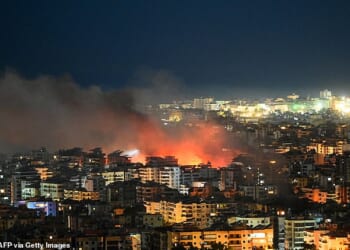
The Cuban government says the group of 10 men involved in a firefight at sea while traveling on a speedboat Wednesday was planning an armed “infiltration with terrorist ends” into Cuba.
Four Cuban citizens living in the United States were killed in a gunfight with Cuban border troops about a mile off the coast of the island, Cuban authorities said. Six other passengers on the Florida-registered speedboat were wounded. The men were armed with rifles, handguns, and Molotov cocktails, and they were wearing camouflage, according to Cuba’s Ministry of Interior. The U.S. is gathering its own information on what unfolded, Secretary of State Marco Rubio said from St. Kitts and Nevis, where he was meeting with officials from Caribbean nations this week.
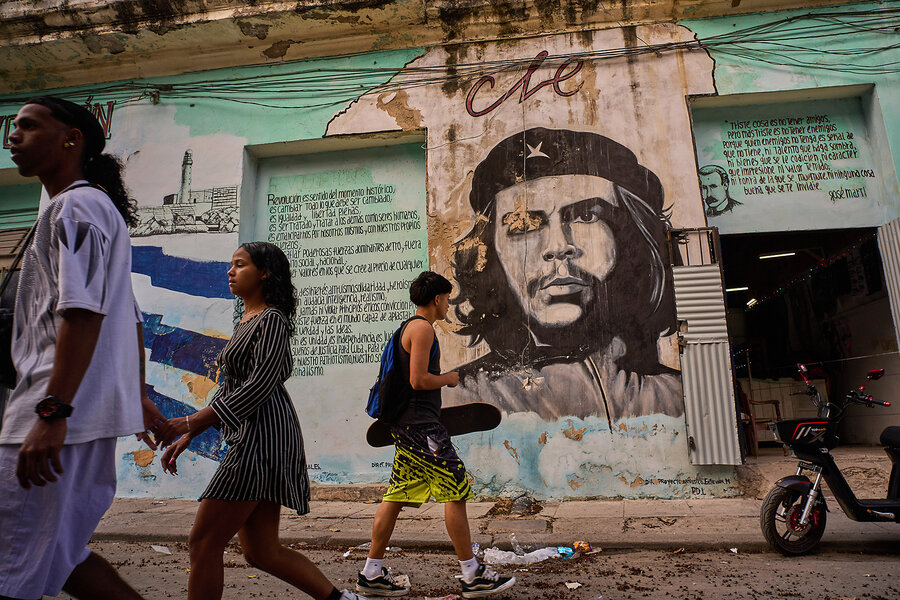
The news of the deadly shoot-out at sea comes as the Trump administration is stepping up pressure on Cuba’s Communist government. On Jan. 3, the U.S. military captured Venezuela’s longtime leader – and close ally of Cuba’s government – Nicolás Maduro. Washington is pushing for political reform in Cuba, and an executive order from late January authorized tariffs on countries selling or providing oil to the island. The oil blockade has exacerbated Cuba’s energy and humanitarian crises. In the hours before the Wednesday shooting, the Trump administration agreed to ease some oil restrictions to allow small shipments for “commercial and humanitarian” use.
Why We Wrote This
Cuba is under growing U.S. pressure to enact political change. How does a boat carrying Cuban exiles who were allegedly trying to infiltrate the island fit into this moment?
The Cuban government identified men that it says were traveling on the speedboat, including two who were wanted by authorities for promoting, organizing, financing, or commissioning “acts of terrorism” targeted at Cuba. The brother of Michel Ortega Casanova, one of the victims, told The Associated Press that his sibling had fallen into an “obsessive and diabolical” quest for Cuba’s freedom.
The open-sea shoot-out was “highly unusual,” said Mr. Rubio, who also stated that the passengers intercepted by Cuban forces were not part of a U.S. government operation.
In 1961, a U.S.-backed invasion of Cuba by more than a thousand CIA-trained Cuban exiles was quickly defeated by Cuban forces. Almost three decades ago, in 1996, Cuban defense forces killed four people when they shot down civilian planes belonging to a U.S. group searching for rafts carrying migrants who were fleeing economic hardship in Cuba. The government in Havana has denounced past incidents of U.S.-registered boats entering Cuban waters, alleging that they were involved in human smuggling.
Despite the heated rhetoric between Cuba and the U.S. over the past six decades, Cuba’s government has been an important partner for the U.S. in battling illegal activity in the Caribbean, says William LeoGrande, an expert on Cuba at American University.
Cuba “has really, really tough antidrug laws,” Dr. LeoGrande says. “It’s basically shut down trafficking through the Caribbean to the United States.”