A TV presenter has embraced her new role to help give sight and hearing tests to people stuck at home.
Alison Hammond has ditched her celebrity interviews to shadow a Specsavers team meeting customers who are unable to leave the house for appointments.
The feel-good mini-series, which can be viewed on YouTube, follows a recent study that found almost half of Brits who need support to leave home are missing out on sight and hearing care.
During her time shadowing Specsavers Home Visits optometrist Julie Benson on her rounds, Alison Hammond said: “I had no idea how much goes into a Home Visit until I joined the team myself.
“We met so many amazing people who simply can’t get out and being able to visit them in their homes makes such a difference.
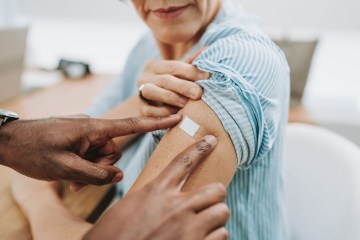
“As well as assisting with the eye test and helping customers choose their glasses, I got to have a proper chat with them and hear all about their lives.
“Seeing the difference these services make genuinely touched me and made me realise this is so much more than a job.”
It comes as research revealed nearly one in two (44 per cent) people who can not leave their homes without support are missing out on essential sight and hearing care.
As a result, over a fifth (22 per cent) of carers from a poll of 250 said the person they care for has had their eyesight negatively impacted.
A further 14 per cent have experienced untreated hearing loss because they are not able to get to a healthcare provider.
David from Southampton, whose mobility has been affected after a fall, and his wife Celia, had a special visit from the television star.
Talking about his experience of Specsavers Home Visits, David said: “It was such a treat to meet Alison. I’ve seen her on television, so it made the day feel really special.
“The Home Visits team has been incredibly kind since my fall — their expertise and care really puts you at ease.”
The research also explored the profound impact of this lack of access, with nearly a third (30 per cent) of those with vision difficulties more prone to accidents or injuring themselves.
Over a third (35 per cent) also said the person they care for has lost confidence due to poor vision.
And nearly half (47 per cent) felt they are unable to enjoy everyday things such as watching TV, reading the newspaper, or participating in shared activities due to untreated sight issues.
Loneliness was another key factor among people with eyesight and hearing difficulties, as 27 per cent said the person they care for has experienced feelings of isolation due to poor vision and 26 per cent as a result of poor hearing.
This may be due to a reduced ability to take part in hobbies or social activities for 37 per cent, as well as the 43 per cent who avoid events in noisy environments.
As well as the impact on vulnerable individuals’ independence, as 31 per cent of those with vision difficulties reported feeling like a burden on their loved ones or carers and over a third (37 per cent) admitted they increasingly rely on others for daily tasks.
At-home services therefore provide a way for this group to access the care needed to improve these areas. However, less than half (49 per cent) of carers were aware that both are available and 27 per cent didn’t know the person they care for is eligible.
Unsurprisingly, according to the survey commissioned by OnePoll, only 10 per cent said the individual they care for has ever had both an eye test and hearing check at home.
Julie Benson added: “We visit hundreds of people each week who simply can’t get to a store due to physical or mental health disabilities. We get to know them and what matters day to day.
“While we’re there to help with their eyesight, the impact goes far beyond that – poor vision can knock confidence or increase loneliness, especially in people who live alone.
“Delivering high-quality clinical care, tailored to their individual needs, genuinely transforms their everyday quality of life.”
Helen Walker, chief executive at Carers UK, added: “Access to home-based healthcare services, like home eye tests and hearing checks, are essential for people who can’t leave their homes independently.
“It also makes a tremendous difference to unpaid carers, the family members and friends who support them, because they often spend a substantial amount of time coordinating their care needs.
“When someone can see or hear more clearly, their confidence grows and their quality of life improves in ways that really matter.
“And for unpaid carers, knowing their loved one is in safe hands and receiving the care they need brings enormous peace of mind.”