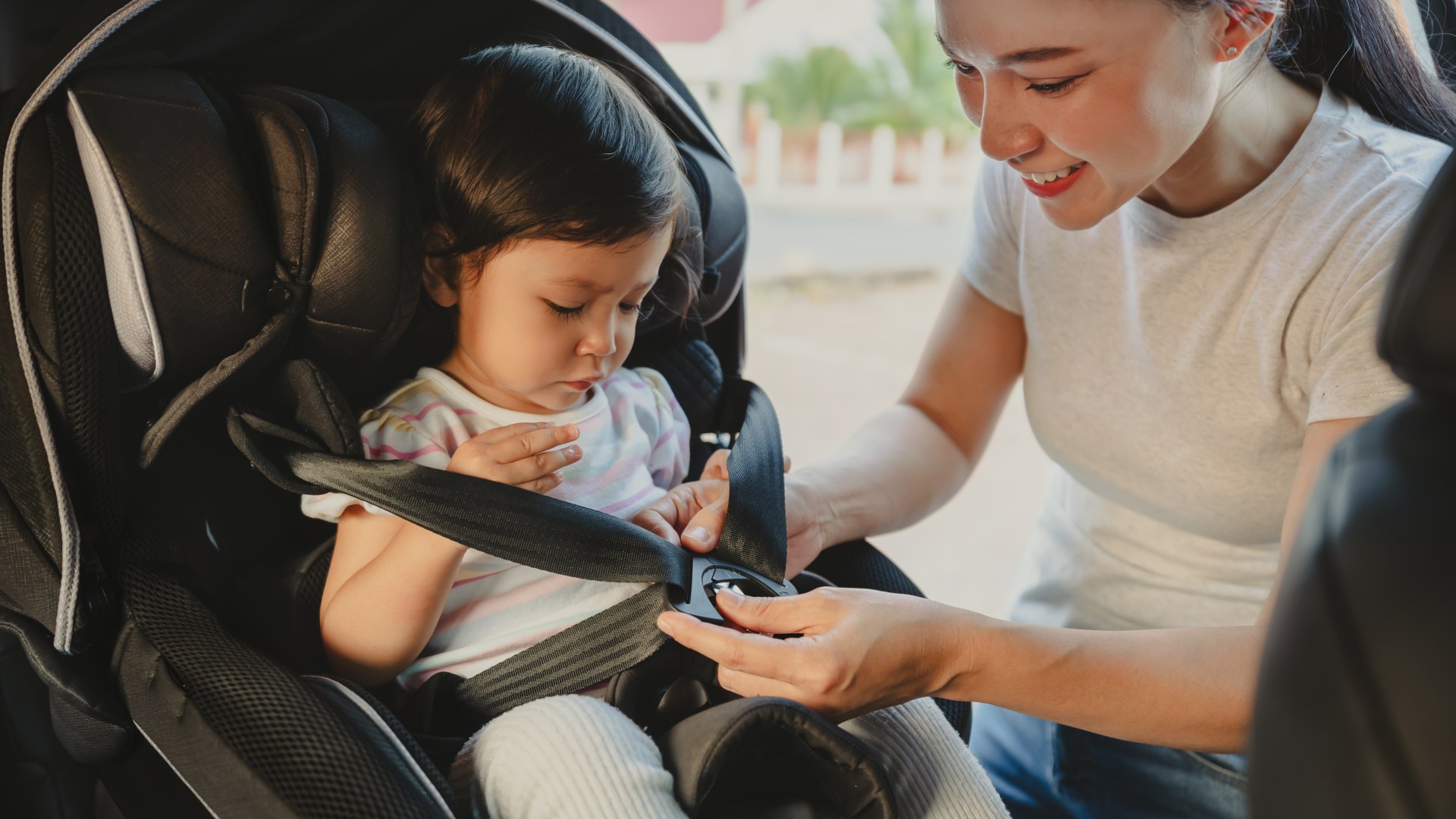
THE AA has answered the long-running question of whether a child’s car seat is safest in the front or the back.
Citing crash statistics and the fact that most serious collisions are frontal impacts, the organisation says children are generally safest travelling in the rear seats.
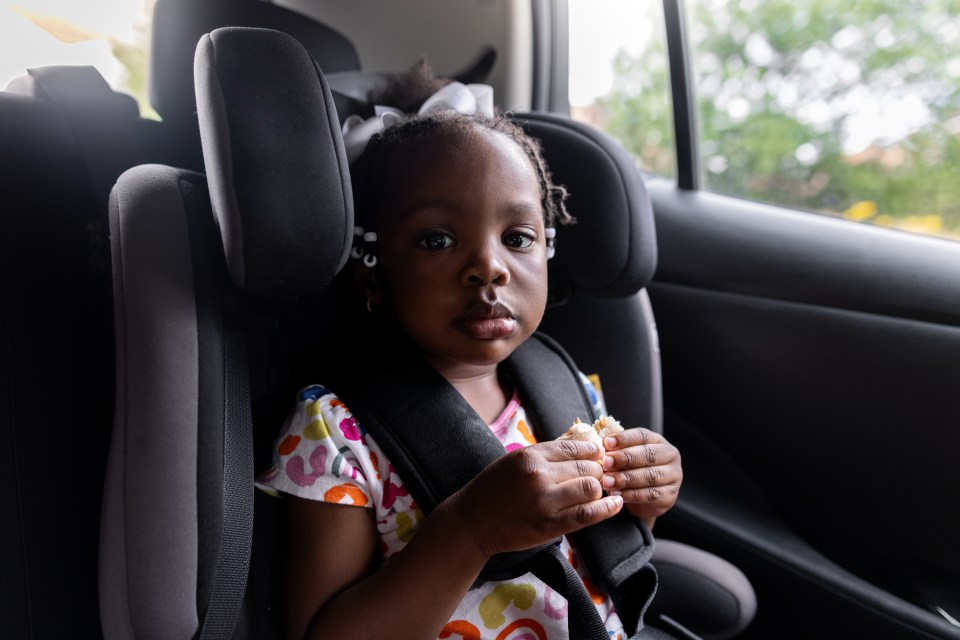
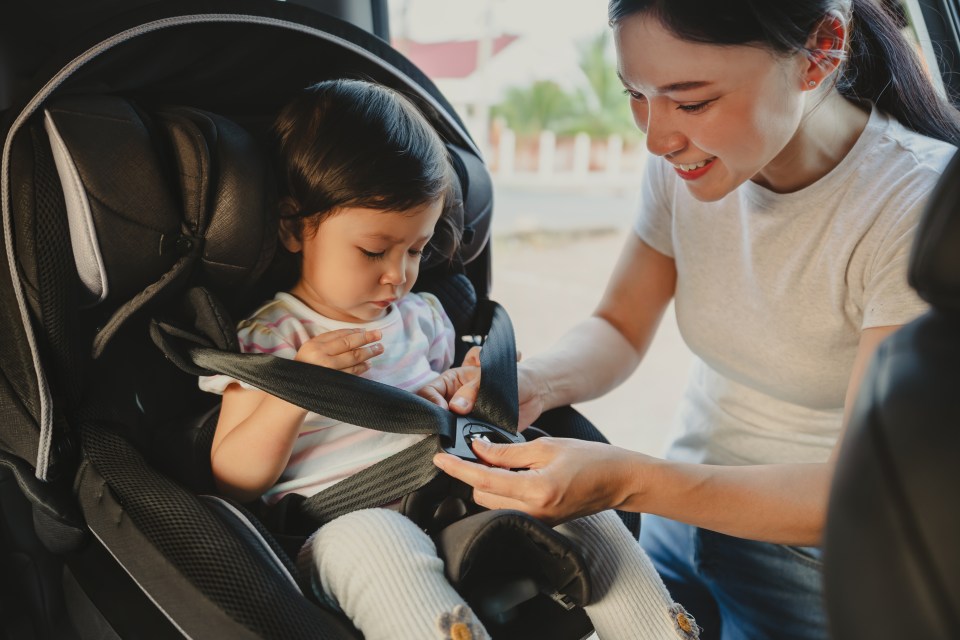
In particular, the AA points to the centre-rear position as the best option when it can be used correctly, because it places the child furthest from typical points of impact and reduces the chance of contact with parts of the car that may crumple or intrude during a crash.
However, the AA acknowledges that real-life driving isn’t always straightforward, especially when there is only one adult and one child in the car.
In that situation, having the child in the front passenger seat can feel more reassuring for the child and less distracting for the driver, potentially helping the driver stay focused.
A major deciding factor is airbags and whether the child seat is rear-facing or forward-facing.

The message is clear that a rear-facing child seat must not be placed in the front passenger seat if there is an active airbag that cannot be switched off, because deployment can cause catastrophic injury to a child sitting so close to it.
For forward-facing seats in the front, the advice is to check the vehicle handbook first and, if there is no specific guidance, to push the passenger seat as far back as possible to maximise the distance from the airbag.
This comes as Brit drivers are being warned not to mix up two common road signs, as confusing them could lead to a dangerous mistake.
The RAC has urged motorists to refresh their knowledge of the Highway Code, warning that people can forget what individual signs mean over time.
With hundreds of signs in use, the shape often gives an immediate clue – circular signs usually give instructions, triangular signs warn of hazards ahead and rectangular signs provide information.
The RAC says two triangular signs are frequently confused because they look similar.