This article is taken from the March 2026 issue of The Critic. To get the full magazine why not subscribe? Get five issues for just £25.
As we all know, opera is the repository of everything crass and depraved in what is laughingly called European “civilisation”: a drunk, Touretty, senile Benny Hill figure gibbering away in the corner of the Hartlepool ’Spoons, whilst outside, strong, independent womxn get down to the job of putting right everything that opera — and the settler-colonialist structures it connived with over centuries of queasy symbiosis — fucked up in the world.
Your typical opera, after all, consists of a Jeffrey Epstein lookalike, a colonial satrap in some sultry outpost, watching a live sex-show staged by enslaved female gypsies, then handing them over to the priests to be publicly burned, before heading home to have some of his harem walled up after being caught talking to a male seraglio guard. No wonder this filth, and the drooling pervs who get off on it, are so generally loathed.
And yet I increasingly feel that it is precisely in its aspic-like preservation of everything in the past that is now verboten that opera’s true value will eventually be seen to lie: you may not be able to find It Ain’t Half Hot Mum for love or money, but — thanks to its popularity amongst Bilderbergian lizards, and resulting gigantic government subsidy — opera is still able periodically to re-enact even such shameful items as Léo Delibes’s Lakmé, a piece which wallows in the sacrilegious sexual subordination of hot little brown temple chicks by fascist colonial soldiers (English ones, what’s more, as if things could get any worse).
OK, so the french society of the later 1800s that produced this drivel may be worth remembering only for its amusing sleaziness, but if anything useful from the past is going to survive today’s Red Guards, the time-capsule of opera will turn out rather handy.
It might just be the case, for example, that the plays of Victorien Sardou, Victor Hugo and Friedrich Schiller, though utterly unperformable now for a million good reasons, are not actually completely worthless — and their preservation as Rigoletto, Tosca, Don Carlos, etc, keeps alive the guttering flame of a sensibility which is otherwise being hunted down and eliminated like a rabid dog.
Opera’s thirst for the seamy side has led it to delve into areas now so tendentious that they can barely be mentioned. A while ago, the Guardian sent some of its less bone-headed sports hacks to check out the arts.
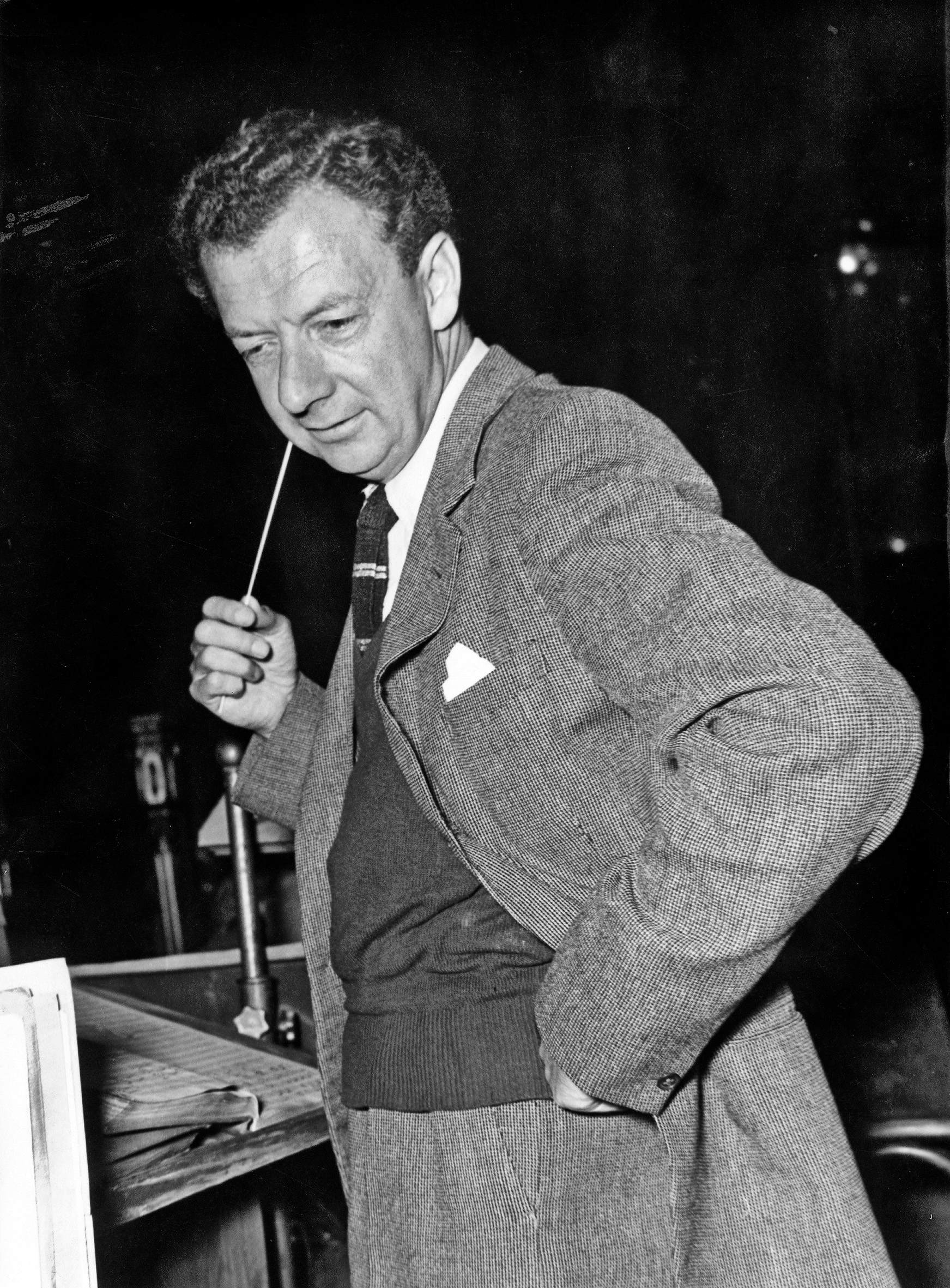
The result was as jokily pointless as you’d expect — except in one case: the dude who drew the short opera straw was the admirable Barney Ronay, who returned like an ashen-faced witness to the liberation of Belsen, suffering an extreme allergic reaction to Benjamin Britten’s Turn of the Screw: Jimmy Savile with songs, as he neatly put it.
In a sense everything he says — “we literally watch a child being seduced by a paedophile” — is exactly right, and nails Britten’s creepy monomania, the destruction of innocence that pervades all his work, as only an outsider could.
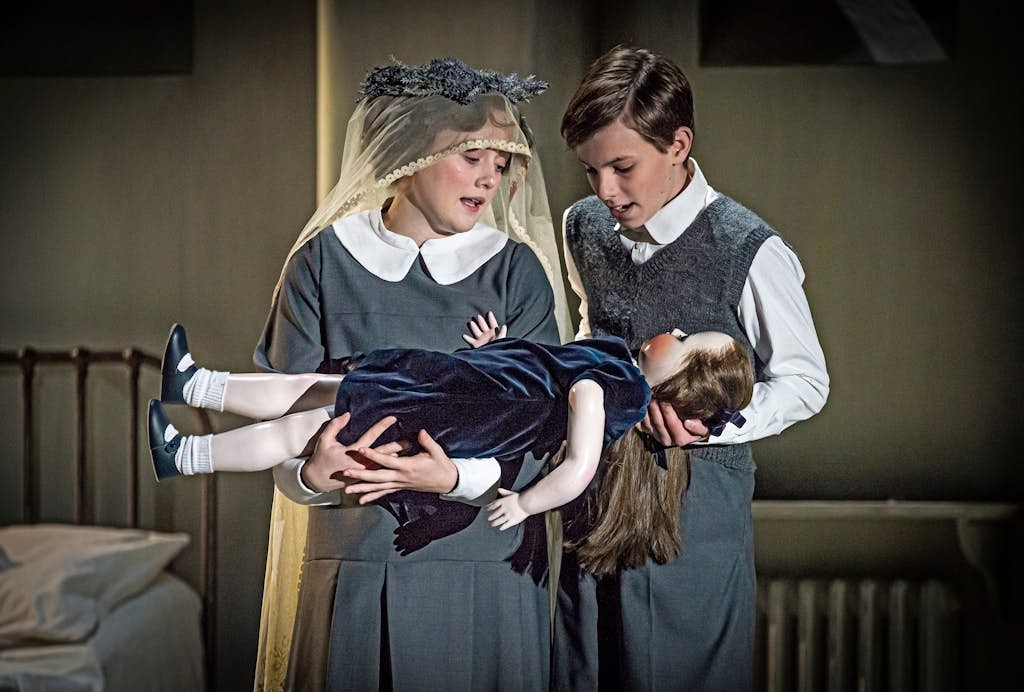
With a new staging launching at Covent Garden on 26 March, this opera, based on an intricate jeu d’esprit of 1898 by Henry James, is a self-conscious Gothic horror set in an isolated Victorian country house, two orphan children tended by a young governess, the hint that they have in hazy but (we imagine) thrillingly sordid ways been depraved by two former servants, now dead, who have returned as ghosts to continue their devilish work. It’s certainly a fruity stew: but is it actually corrupt or evil?
Ronay’s reaction mirrors to a remarkable degree that of the more maiden-auntish reviewers to the novelette itself, who recoiled from James’s artful hints of depravity. (Though interestingly, both in 1898 and 1954 everyone was very determinedly not thinking about child abuse — whereas now it seems nobody can think about anything else.)
James’s story is certainly (inter alia) a jape of a possibly oversophisticated kind, though the biggest of his little jokes is distinctly on us and our yearning to put the worst possible construction on things: maybe nothing dodgy is actually going on at Bly — except we long for it to be …
Ronay despairs at the absence of “signifiers as to what the wider meaning is supposed to be”, as if a cute moral should be appended. Of course, being “troubling” is no justification per se for art — though often treated as one, not least in the Guardian arts pages; nor am I suggesting that displays of paedo grooming are necessarily amongst the more valuable things that opera can preserve for the future.
Indeed I fear there are people in the audience gloating over Britten’s hint that little Miles really wants it. But amongst all the blind spots and sordidness, Britten and Myfanwy Piper’s work — as well as being a brilliant primer in how opera should adapt a text — treats the reality of evil with a penetrating and honourable acuity.
By giving it (as James could not) a beguiling and seductive voice, by making us complicit not simply in the action but also in sweatily fantasising its worst nuances, the authors suggest we look inwards, not outwards, for its lair.
As Virginia Woolf wrote about Henry James, the story has the power to make you afraid of the dark — and she didn’t mean the one out there.
At the Royal Opera House: The Turn of the Screw, from March 26 to April 6.