I rushed through the door exhausted from a long day’s work with the NHS, briefly caught up with my two children and kissed my husband – before heading straight back out to my second job.
I’d been following this deadening routine for three hard years, working 60-hour weeks and fretting over every penny, because we owed almost £20,000 on loans and credit cards.
I couldn’t sleep at night with worry. Our joint income from my job as an assistant practitioner and my husband Joel’s carpentry business was around £60,000 before tax, and it just wasn’t enough.
Neither of us are big spenders and, although I grew up very comfortably with parents who ran their own business, I understood the value of money.
Things went wrong when, after years of renting, Joel and I decided to buy in a less expensive area, do the house up and then sell so we could afford to move back to the place we wanted. Unfortunately it took over a year to shift the house, and we sold at a loss.
During that time, we relied on credit cards and a £17,000 house renovation loan, assuming that we’d make it all back and pay off the balance when we moved. We finally ended up in the house we wanted in Norfolk, but with huge repayments hanging over us on top of the £1,275-a-month mortgage, the minimum monthly £260 loan payment, and utility bills on top.

Mercedes Smithson with her two children Mason and Miah. Careful budgeting means she managed to get through the summer holidays spending just £200
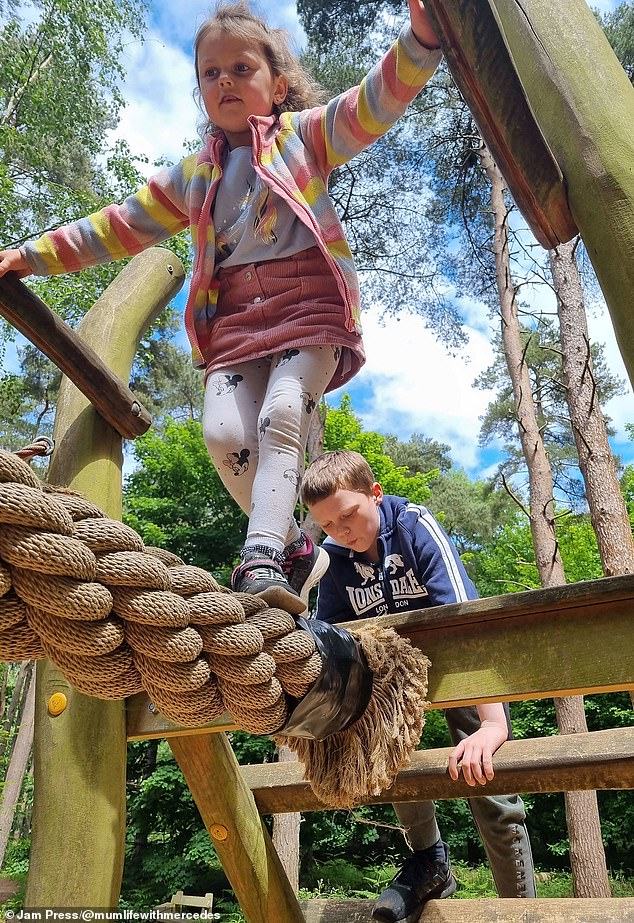
Using loyalty card points, the family enjoyed a day out at a theme park
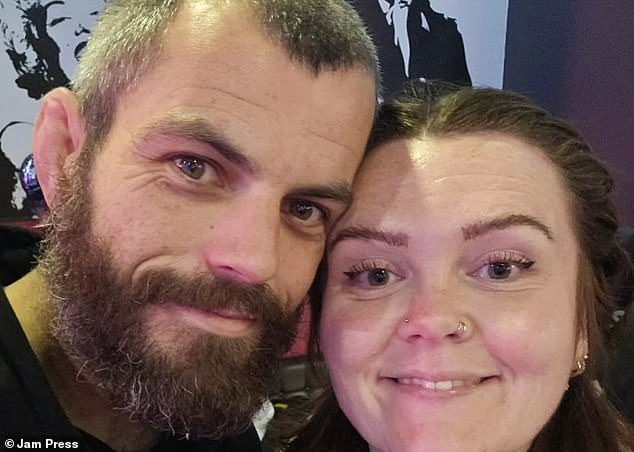
Mercedes says neither she nor her husband Joel are big spenders, but they were surprised at how easily they were spending money on non-essentials
Two years ago, I realised we’d be trapped in the repayment cycle for years if we didn’t tackle it differently – and I didn’t want my children Mason, 13, and Miah, nine, to suffer because we were in debt.
Now, we have just a few thousand left to pay off and we’re in a position where we can once again save up to do something fun with the kids and even put a bit aside for treats. Most importantly, I no longer have two jobs and I don’t lie awake worried sick.
Here’s how we tackled the debt, and got our lives back…
1. Examine the outgoings
The first thing I did was to go through our accounts for the past couple of years and take a forensic look at where every penny was going. There were no huge shocks, but it made us realise how easily we’d pop out to buy milk and return having spent £20 on ‘essential’ bits and bobs. We also had a few overlooked subscriptions that were draining money each month, for TV channels and apps we never used. I cancelled all of them, and drew up a strict budget based on what we had left after the payments went out.
2. Rethink food shopping
I used to shop at Aldi, assuming it was the cheapest supermarket. But then I compared prices on what we buy and realised I’d save more at Tesco if I used my Clubcard. I used to buy groceries as the need occurred to me, but instead, I drew up weekly meal plans. I’d often cook a bit extra so we could use the leftovers in the next day’s packed lunches. Most importantly, I stuck to a shopping list, and banned impulse purchases. All the little savings added up to hundreds over a few months, and made a noticeable difference.
3. Use discount cards and free attractions
I managed to get through the summer holidays spending just £200. I used up almost all my annual leave to avoid childcare costs, and was lucky that my mum helped out too. I have an NHS Blue Light card that offers certain discounts on big stores and supermarkets and I also saved up points on loyalty cards, which I took for every store and app which offered. With those, we managed a lovely day out at a theme park with the children. We also visited museums, parks and the local beaches with a home-made picnic.
4. Try second-hand apps
We didn’t buy any new clothes for ourselves, but obviously the children were regularly growing out of shoes and clothes. I found the Vinted app so useful – by scrolling regularly, I managed to kit them out in almost-new high street labels for a few pounds. I didn’t have time to shop in charity shops and even high street sales items add up. But by spending time looking for ‘BNWT’ (brand new with tags) or ‘excellent condition’ items, I managed to keep them both happy.
5. Try the snowball method
This was a game-changer. In 2024 I read about this ‘money hack’ online. You pay off your smallest debt in full first, using the rest of your repayment budget to service the other debts. I started off with Klarna, then my PayPal credit, followed by our credit card debt. Doing it this way meant we could focus on removing one source of stress at a time, and it was so motivating. Instead of spending £30 on a takeaway to cheer us up, we’d think: ‘That could go towards paying off the credit cards faster.’ Now, we’re down to the last few grand of the loan, and we have no other outstanding debts.
I’d recommend this to anybody struggling to find a way out – because soon, we’ll be free of debt for good.
As told to Flic Everett