This article is taken from the March 2026 issue of The Critic. To get the full magazine why not subscribe? Get five issues for just £25.
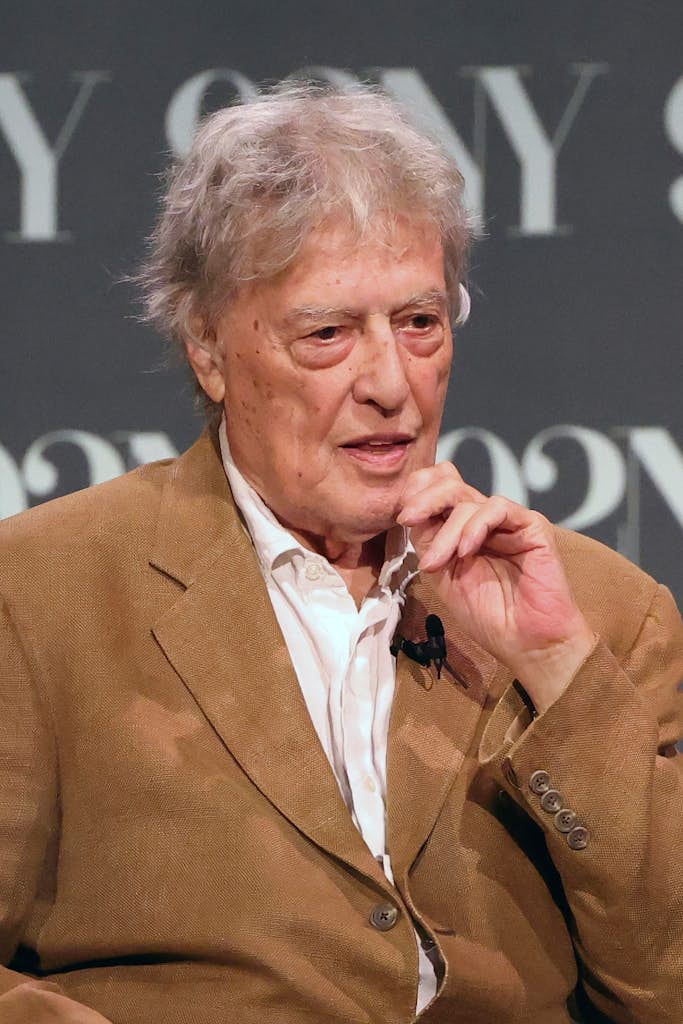
Since the death of the great Sir Tom Stoppard last November, there have been two major revivals of his work, in the forms of Indian Ink at Hampstead and now the play that many consider his masterpiece, Arcadia, at The Old Vic.
Stoppard was too unwell to take any major part in the planning or rehearsal of either show, and so both function as de facto tributes to a giant of 20th–21st century theatre, as well as thrilling theatrical evenings in their own right.
On paper, Arcadia should not work.
A summary of it suggests that Stoppard’s penchant for games-playing and allusion threatens to overwhelm any cohesive storyline. However, this new production is a full-blooded joy, after a slightly shaky opening scene, which beautifully combines heart and laughs.
It makes the audience realise once again, as if we needed to, that we were fortunate enough to have lived in the time of a truly magnificent playwright.
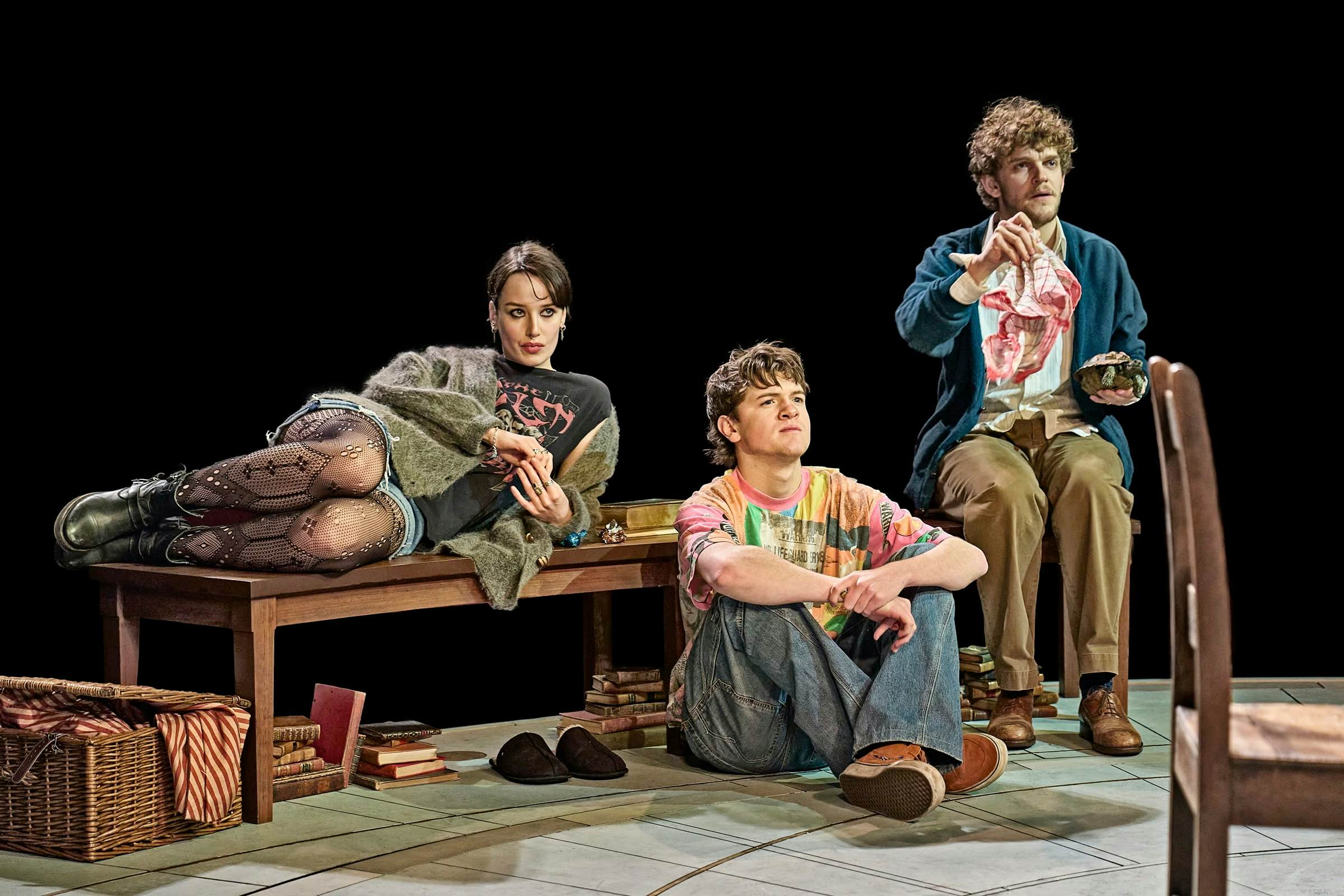
It is set between two time periods, 1809 and the present day — although, in Carrie Cracknell’s new staging, this seems to be 1993, when the play was written, rather than 2026 — and concerns firstly the relationship between the minor Romantic figure Septimus Hodge and his precocious, brilliant ward Thomasina; and secondly the investigations of various battling academics as to what, precisely, went on at Sidley Park at the beginning of the 19th century, and how none other than Lord Byron was involved.
Oh, and there’s chaos theory, landscape gardening and some of 20th century drama’s best jokes, too.
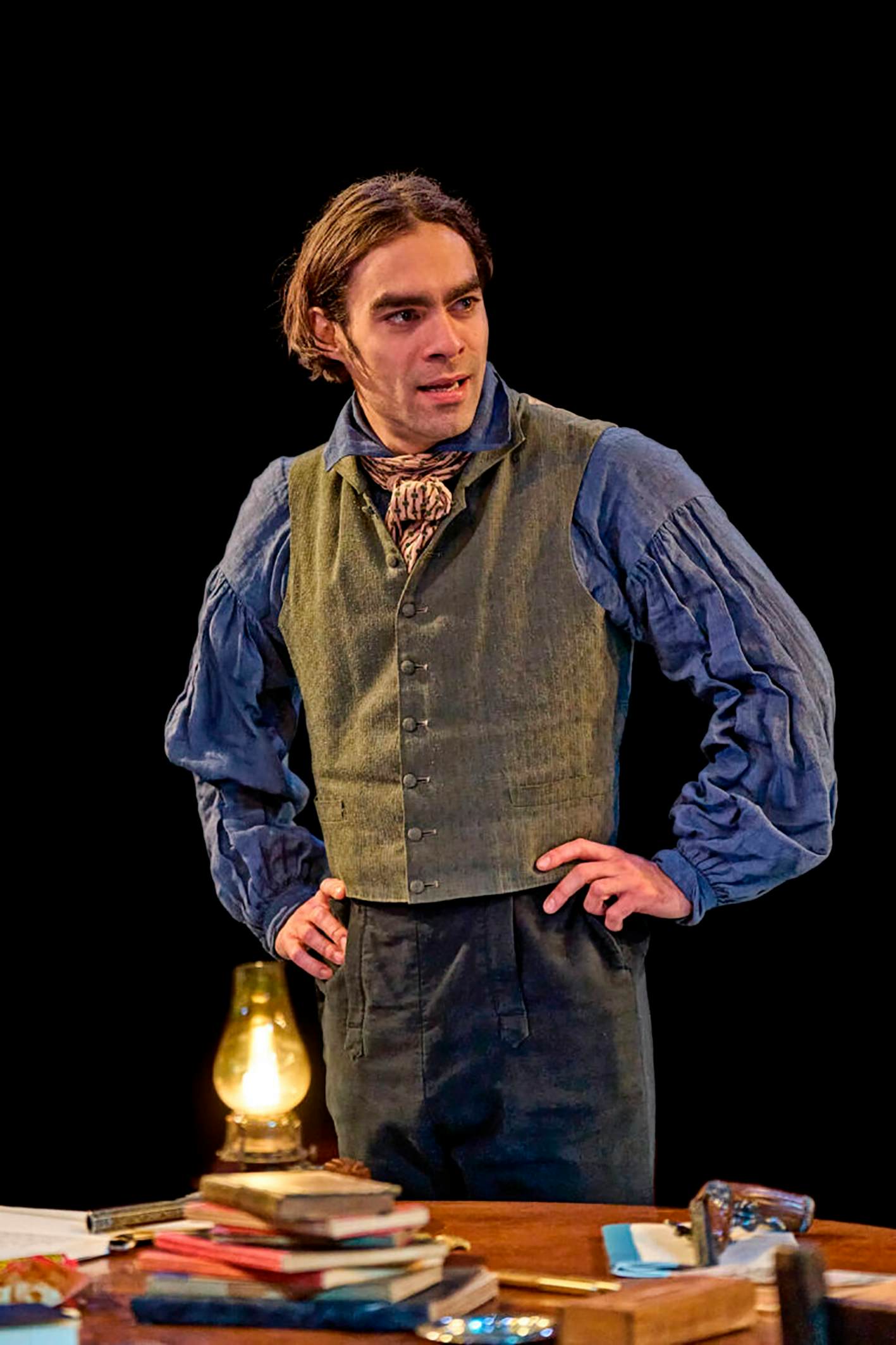
The play has not been revived in London since 2009, with Dan Stevens as Septimus and Jessie Cave as Thomasina, and I had feared that the years may not have been kind to a play that can easily seem overwhelming if it is not presented with bell-like clarity. Thankfully, Cracknell — who previously directed the equally missed Helen McCrory in Medea and The Deep Blue Sea — directs with an assured and incisive hand, meaning that the three hours or so of runtime fly by.
Even a scene that can often kill the momentum completely, in which William Lawlor’s Gus explains chaos theory to Leila Farzad’s wry don Hannah, is played with sufficient wit and chutzpah to become both engaging and amusing, rather than (as in lesser productions) an exercise in Stoppard showing off how clever he is.
Make no mistake, this is a very, very clever play indeed. I had long believed that Stoppard’s 1997 A.E. Housman fantasia The Invention of Love was his masterpiece, but seeing it revived at Hampstead last year instead persuaded me that, for all its undoubted wit and erudition, the play was often dramatically inert, with lengthy scenes in which characters orated at the audience and one another about classical literature, rather than spoke. This is rather different, and all the better for it.
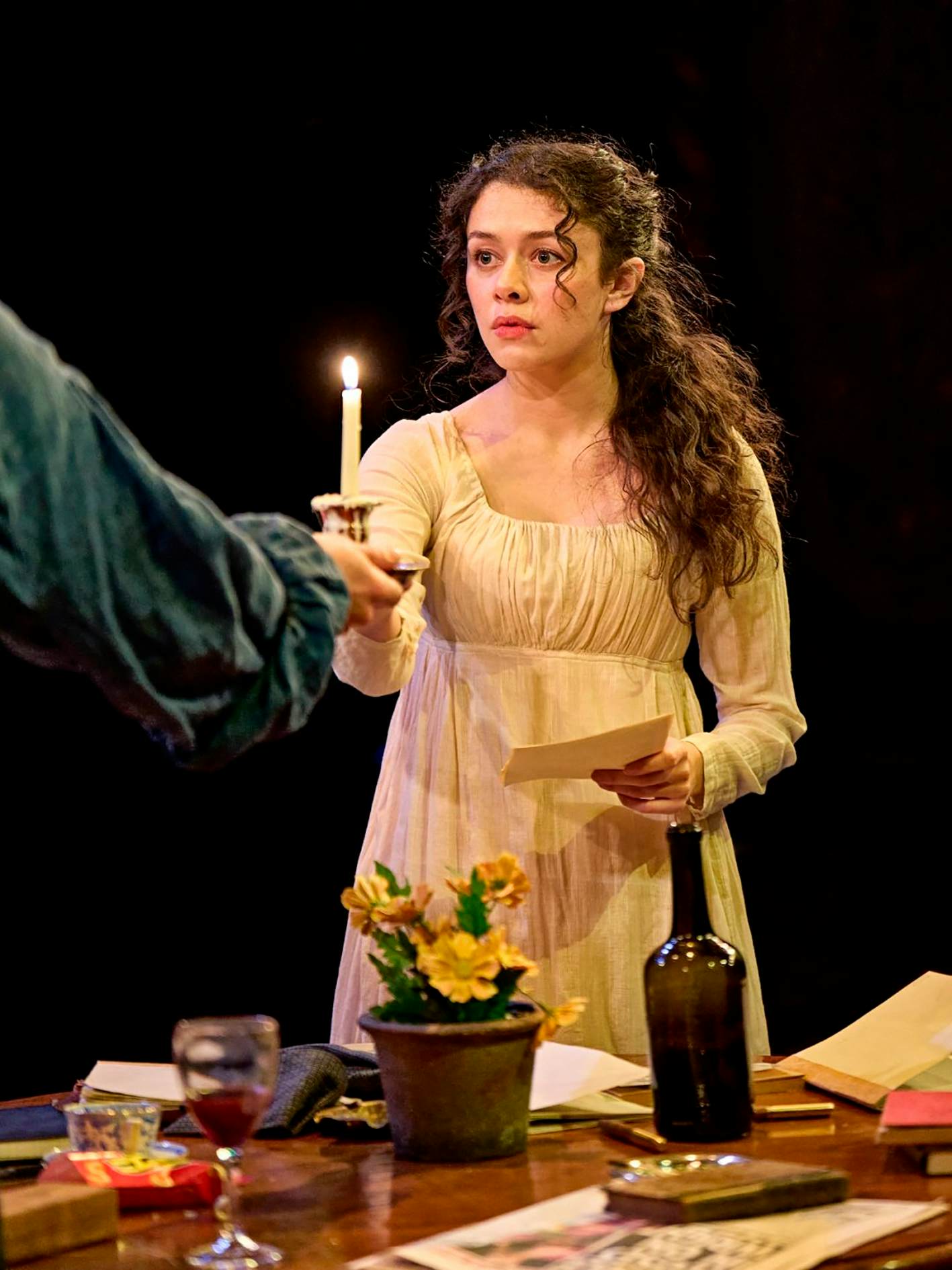
What now seems heartbreakingly clear about Arcadia, as best expressed in the doomed relationship between the splendidly named Isis Hainsworth’s Thomasina and Seamus Dillane’s Septimus, is that it is a play about connection, both intellectual and romantic, and about the ways in which this connection can be either misunderstood or broken altogether.
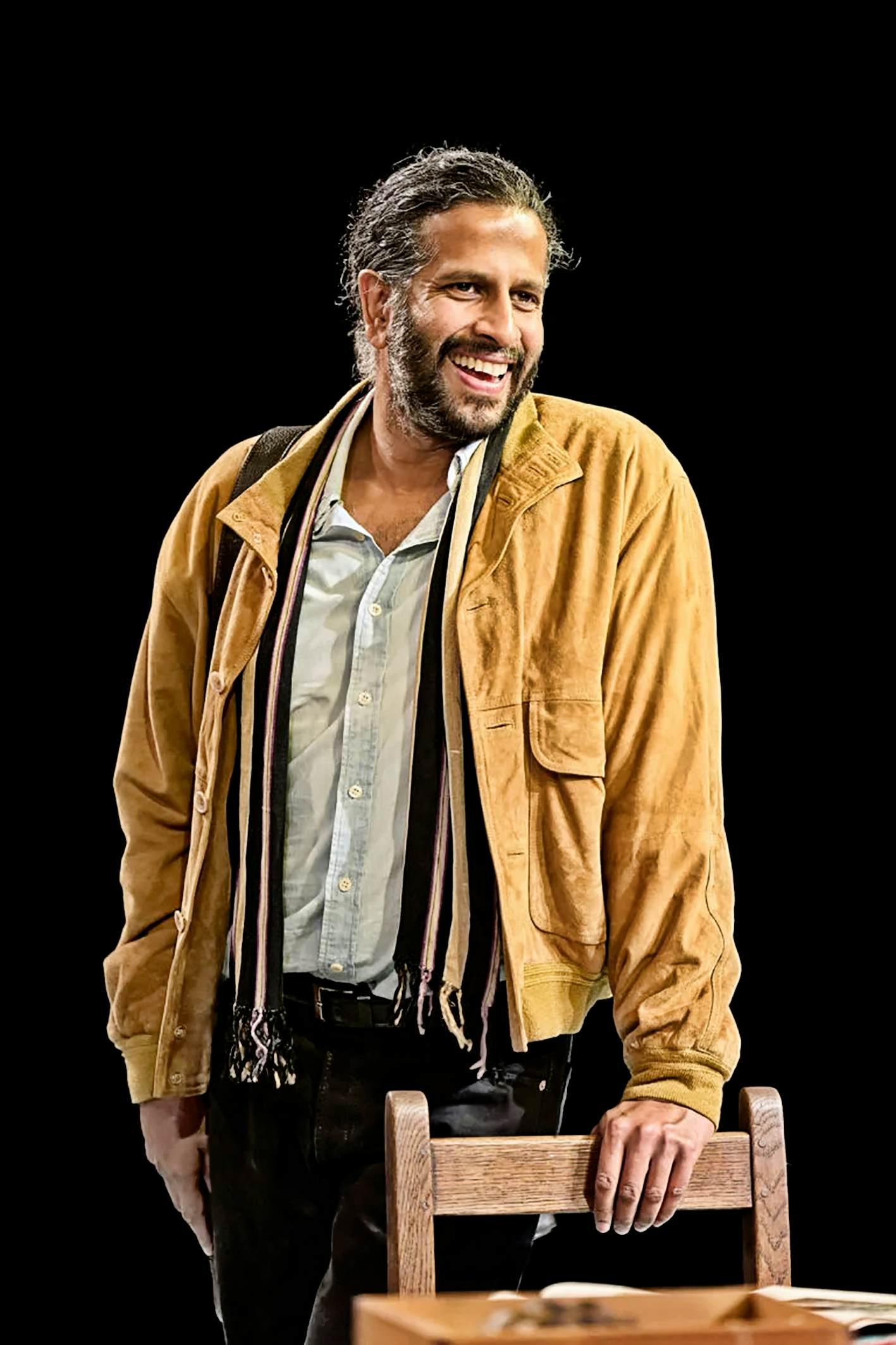
When Prasanna Puwanarajah’s swaggering, arrogant academic Bernard Nightingale — the evening’s stand-out performance — arrives in the present day, puffed up with his decidedly incorrect theories about what really went on in Sidley Park, Stoppard treats us to both wry satire on the vagaries of literary sleuthing and, affectingly, suggests that Bernard’s cynicism and laziness have not yet corrupted a genuine love of literature and a desire to seek out truth, wheresoever it might lurk.
There are many laughs to be had from Cracknell’s staging, but just as many tears, especially in the long, beautifully handled final scene in which past and present dovetail in the final moments of Thomasina’s short and brilliant life.
When she remarks early in the play, of what Stoppard wittily calls “carnal embrace”, that “Now when I am grown to practise it myself I shall never do so without thinking of you,” it is amusing, but as the play proceeds, the sentiment becomes more and more heartbreaking.
Played in the round, with Alex Eales’s set design allowing for slick segues between past and present, the audience is drawn into this tale of love and loss and never allowed to slip away, even for a moment.
Along with Alan Bennett’s The History Boys, Arcadia has a fair claim to be regarded as the greatest new play of our time. After suffering through many disappointing, often heavily modish evenings at the theatre over the past few months, it is a relief to report that Cracknell and her crack cast have done Stoppard proud with this heartfelt, respectful and always intelligent staging.
It does double duty as a fine reading of the play and, perhaps most importantly of all, offers appropriate homage to its author.
I was devastated to hear of the playwright’s death and felt as if I had lost a mentor. This splendid evening at The Old Vic brings him back to us, all over again.
Arcadia is at The Old Vic until 21 March (oldvictheatre.com)