AS ANOTHER resident doctors’ strike looms, the NHS has urged Brits not to delay going to A&E or getting medical care.
The six-day industrial action will kick off at 7am on Tuesday and run for six days until April 13.

Health Secretary Wes Streeting warned disruption from the strike could see planned appointments and operations delayed and families “left waiting in pain”.
Meanwhile, NHS bosses said the action was expected to be “particularly challenging” to the health service as it comes fresh off the heals of the busy Easter bank holiday and was announced at short notice.
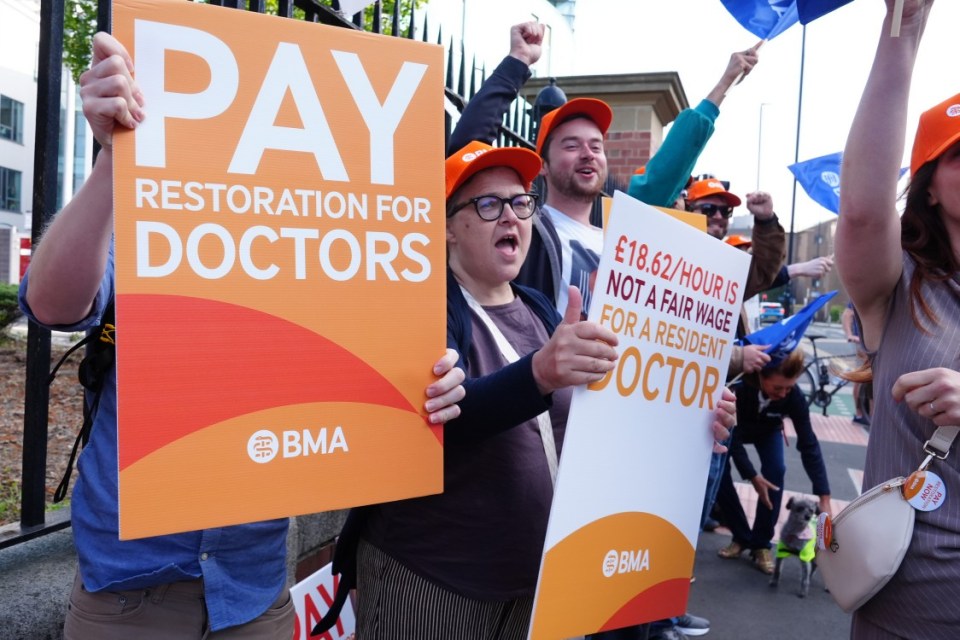
Resident doctors – formerly known as junior doctors – vowed to “press ahead” with the strikes last week, after pay talks with the Government broke down.
The walkout marks the medics’ 15th strike in three years.


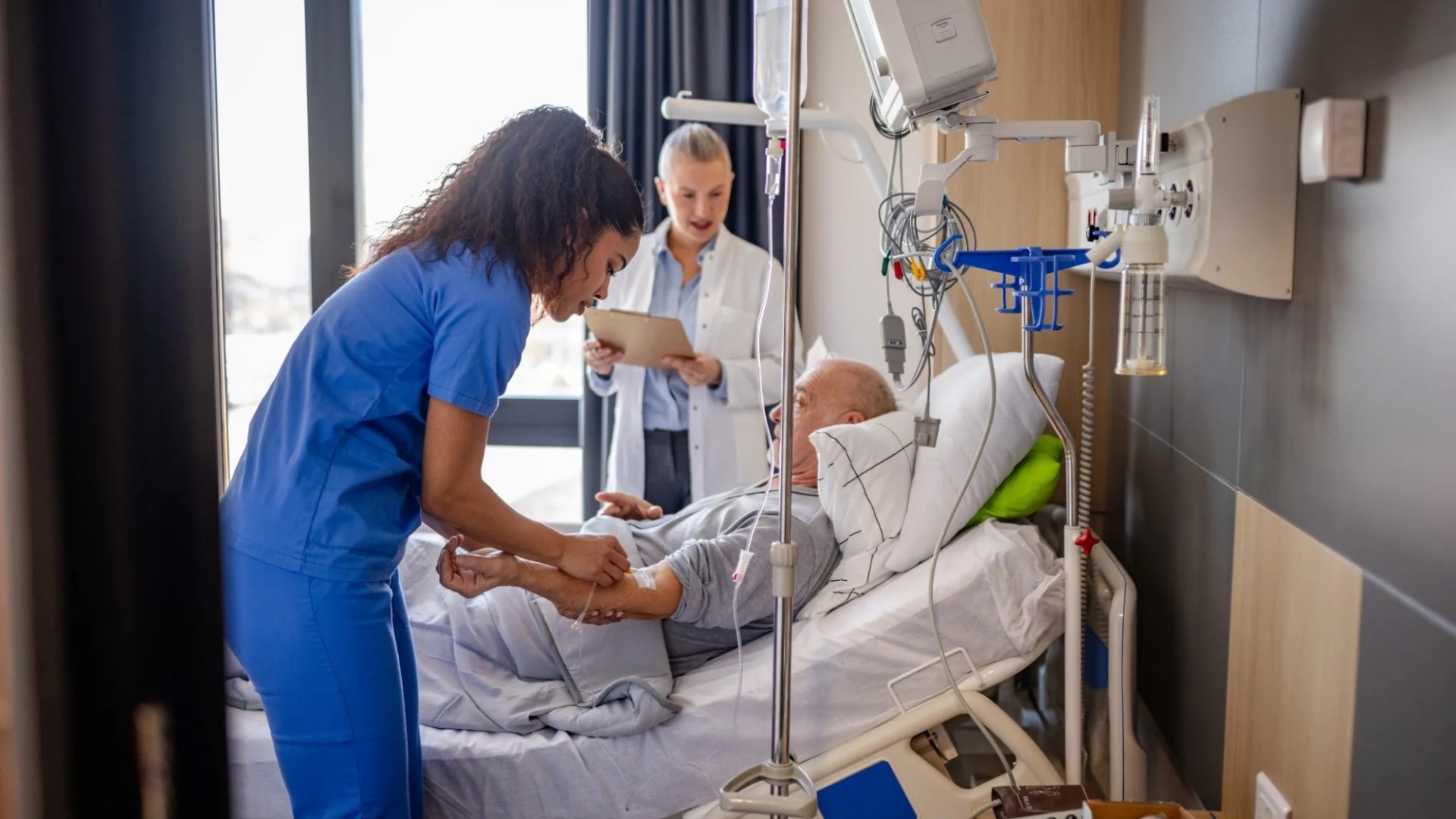
But health bosses warned patients in England “not to put off coming forward for the care they need” in those six days.
They said hospital teams would do their best to “minimise disruption for patients” and make sure “priority treatments” such as urgent surgeries and cancer care aren’t affected.
Patients who have planned appointments should attend them as unless they have been contacted to reschedule.
Meanwhile, GP practices, NHS 111 and urgent and emergency care services will be available.
Prof Ramani Moonesinghe, National Clinical Director for Critical and Perioperative Care at NHS England, said: “Staff across the NHS will be doing everything they can this week to keep patients safe and ensure people can continue to get the care they need.
“We know this round of industrial action will be difficult, coming straight after the Easter weekend, but patients should come forward as normal and attend any appointments unless they are contacted otherwise.
“The NHS remains open for you this week – as ever, please call 999 or come to A&E in an emergency, and use 111 online first if you need urgent but not life-threatening help.”
Life-threatening emergencies that mean you should call 999 or attend A&E include severe chest pain, breathing problems, stroke symptoms, severe bleeding or burns and loss of consciousness.
Meanwhile, serious but not life-threatening issues to consult 111 for include suspected broken bones, sprains, burns and cuts.
Tens of thousands of doctors are expected to strike from Tuesday morning until just before 7am on Monday April 13.
When you should call NHS 111 or go to A&E
NHS 111 is the best place to get help if you cannot contact your GP or if you urgently need medical help or advice but it’s not a non-life-threatening situation.
If you’re not sure if you need to go to A&E, you should get help from NHS 111.
You should visit an A&E department for genuine life-threatening emergencies, such as:
- Loss of consciousness
- Acute confused state and fits that are not stopping
- Chest pain
- Breathing difficulties
- Severe bleeding that cannot be stopped
- Severe allergic reactions
- Severe burns or scalds
- Stroke
- Major trauma such as a road traffic accident
Less severe injuries can be treated in urgent care centres or minor injuries units.
Source: NHS
The Health Secretary last week gave doctors a 48-hour ultimatum to call off strikes, or face losing 1,000 extra training places.
The Government’s offer also included a pay rise of up to 7.1 per cent for this year.
The deal would have taken their total pay rise over the past three years to 35 per cent.
But doctors turned the offer down, describing it as a “crushing blow” when inflation is set to rise because of the Iran war.
Mr Streeting claimed that the NHS has shown in previous strikes that it can keep most services running for patients.
He maintained the health service had been able to keep going with 95 per cent of planned care during the five-day action in December last year.
Mr Streeting said: “It is disappointing for patients and staff alike that the BMA has decided to press ahead with strikes this week, despite the deal we put to them which would have seen resident doctors 35.2 per cent better off, on average, than they were four years ago.
“My attention and that of leaders across the NHS is now on protecting patients and staff by minimising disruption to the health service.
“Thanks to the dedication of talented NHS staff, the health service delivered almost 95 per cent of planned activity during December strikes, and I want to reassure patients that the NHS will be there for you when you need it this time too.
“My heartfelt thanks go out to all those hard at work this week.”