I’ve developed two horrible-looking warts on my left foot. What can I do about them, and should I be worried?
Dr Ellie replies: Warts are small, rough growths triggered by a viral infection. They are not dangerous and can – with some persistence – be removed.
Some people will get one wart, while others will get clusters.
The virus that triggers them is the human papillomavirus (HPV). It can infect the skin on any part of the body, but the feet are one of the most common points, where they are known as verrucas.
The virus is often picked up from contaminated floors, such as swimming pools or showers. Infection is more likely if the skin is wet or there are breaks in the skin – such as from a cut or a skin condition like eczema.
Warts can also be spread from one part of the body to another.
They are nothing to worry about. However, they can be painful, while others simply dislike how they look.
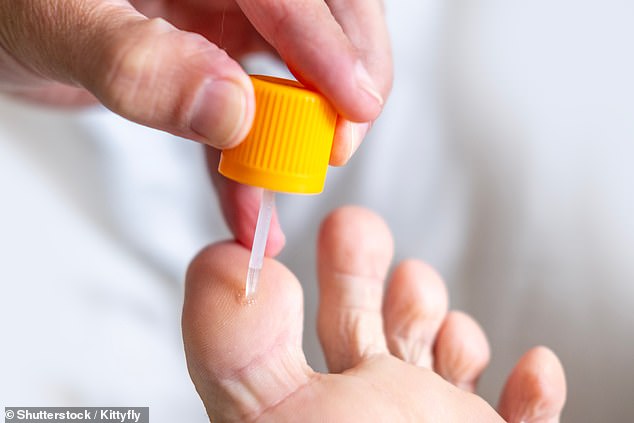
The most common treatment for warts is a topical ointment called salicylic acid
In most cases, having them removed isn’t something the NHS can assist with.
The most common treatment is a topical ointment called salicylic acid that can be bought over the counter from most local pharmacies for around £10.
Some choose to have their warts frozen off – a procedure called cryotherapy, which uses liquid nitrogen – that is usually offered by private podiatrists.
I am constantly snotty and I’m always coughing or blowing my nose. What can I do?
Dr Ellie replies: The most likely cause is a condition called sinusitis.
This is where the lining of the nose, as well as the upper parts of the windpipe, are inflamed, which causes the body to produce excess mucus and snot.
Sinusitis is often initially triggered by an infection, such as a cold or the flu.
For most, this issue clears after a week or two.
But for others the inflammation can last for months – and sometimes even longer.
This can lead to a seemingly never-ending runny nose. It can also lead to headaches, as well as yellow or green nasal discharge.

Patients who are unsure of the cause of their snotty nose should consider taking an antihistamine to see if it helps, writes Dr Ellie
While there are no treatments that can instantly cure it, some patients find that regularly washing the nose using a salt-water spray can ease symptoms.
Sinusitis can also be caused by an allergy, such as to pollen or dust. In this situation, a daily antihistamine tablet – available from most local pharmacies – should be able to help combat a snotty nose.
Patients who are unsure of the cause of their snotty nose should consider taking an antihistamine to see if it helps.
In some cases, sinusitis can be triggered by growths in the nose, called polyps.
A GP should be able to diagnose nasal polyps and prescribe steroid sprays to reduce their size and combat the associated symptoms. If this fails, surgery might be considered.
My hands are constantly cold and stiff. I don’t think it’s Raynaud’s disease because the skin doesn’t change colour. What could be the problem?
Dr Ellie replies: Raynaud’s is a circulation disorder in the fingers and toes that causes them to temporarily constrict in the cold.
The incurable condition, which mainly affects women, can also cause numbness or tingling as well as stiffness in the joints.
In many cases, fingers change colour due to a lack of blood. Typically they turn white or blue while the blood vessels are constricted, and red when the blood returns to the fingers.
However, not all patients experience this. For others, skin changes can be subtle. So anyone who experiences cold hands should see their GP for an assessment.
If Raynaud’s is diagnosed then there are steps to ease the issue. These include lifestyle changes, such as regularly wearing gloves and warm clothing, managing stress levels, quitting smoking, limiting caffeine intake and taking part in regular gentle exercise to improve circulation.
There is some evidence that the male erectile dysfunction drug sildenafil – also know as Viagra – can help with Raynaud’s disease, however, NHS GPs cannot prescribe the tablet for this reason as it is not currently a recognised treatment.
Another disease that can trigger cold hands is systemic sclerosis – which can cause areas of tissue to thicken. Over time it can damage the heart, lungs and kidneys.
Has weight-loss surgery been replaced by jabs?
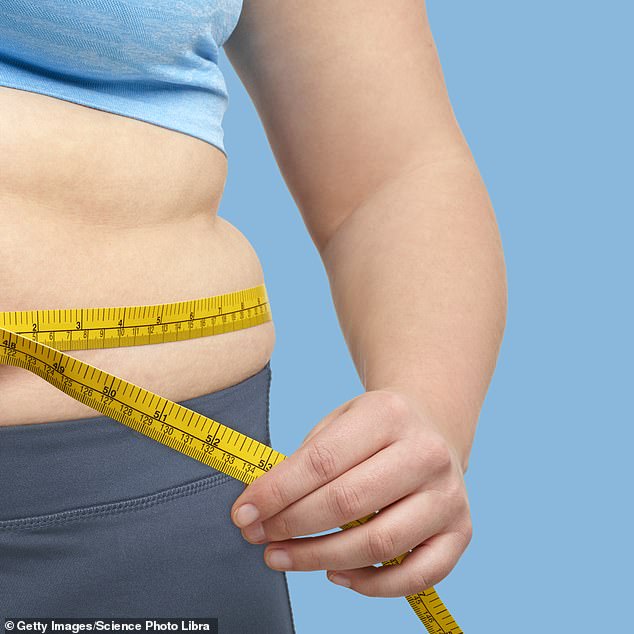
Weight-loss jabs do not work for everyone, so there will always be patients who need surgery, according to Dr Ellie
Does anybody get weight-loss surgery any more? The procedure – called bariatric surgery, which makes the stomach smaller – used to be one of the most effective ways to tackle obesity when lifestyle changes failed.
I used to refer plenty of patients for it on the NHS. However, I was speaking to a surgeon I know who said that recently there has been a massive drop in interest in it due to weight-loss injections, which are cheaper and far less invasive.
But weight-loss jabs do not work for everyone, so I think there will always be patients who need the procedure.
Have you recently had weight-loss surgery? Why, and did it work?
Please write in and let me know.
- If you have a question for Dr Ellie Cannon, write to DrEllie@mailonsunday.co.uk