Stunning portraits show a dozen hand-reared owls who have been trained to take part in flying displays.
The birds, ranging in age from one to 19 years old, were photographed at the Scottish Owl Centre in Bathgate.
The youngest is Opia, an Ashy-faced owl, and the oldest is Zeus, a Eurasian eagle owl – who is also the largest bird at the centre.
The owls are fed small pieces of chicken by hand, helping them to get used to human contact from a young age.
Head keeper Trystan Williams, who trains the owls, said: ‘These are the birds that people meet here at the centre and that they’ll see in our flying displays.
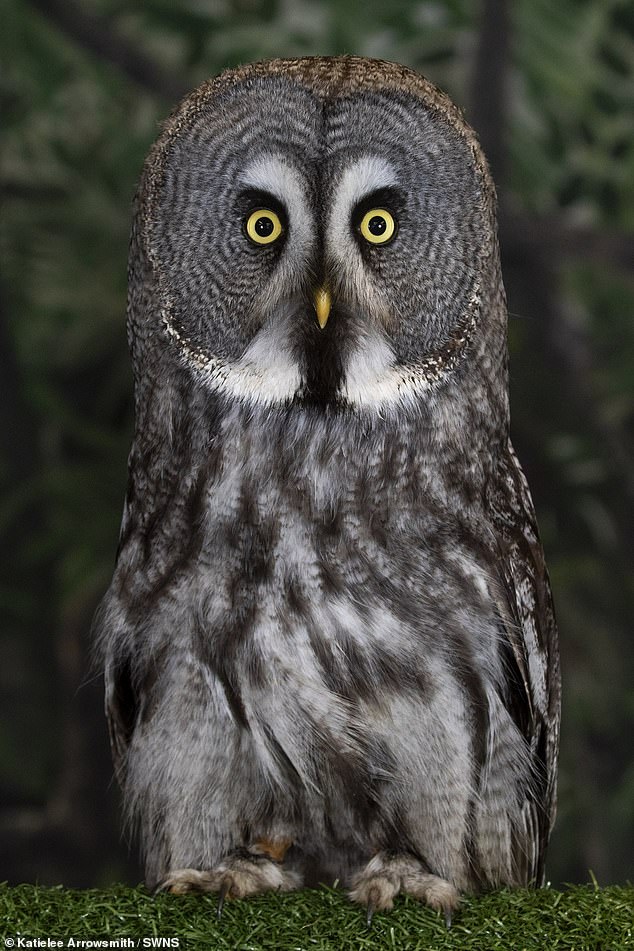
Stunning portraits show a dozen hand-reared owls who have been trained to take part in flying displays. Pictured: Metsikki – a great grey owl
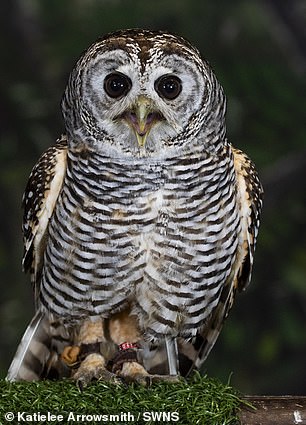
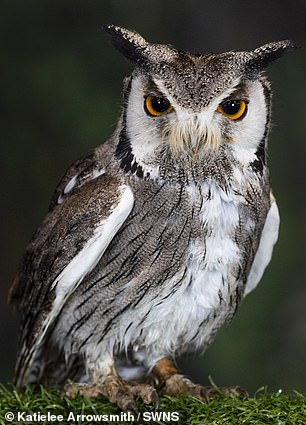
Left: Quilla – a Chaco owl which are typically found in Argentina. Right: Lulu – a southern white faced owl
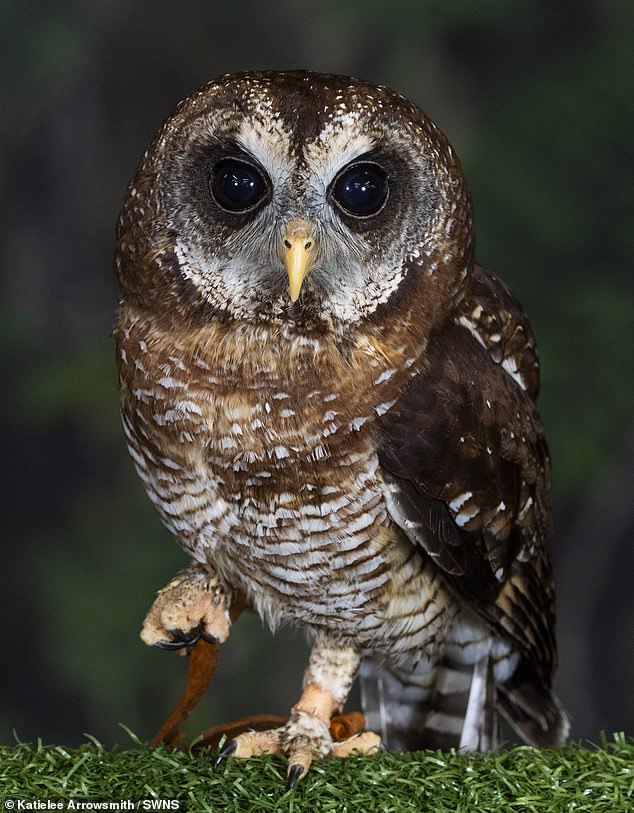
Pictured: Zizi – an African wood owl which are the most common forest owls found on the continent
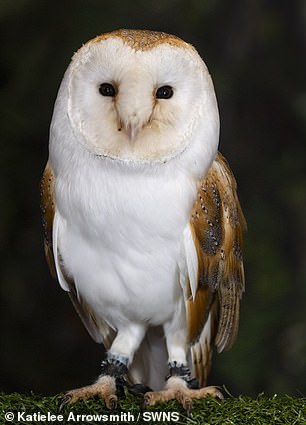
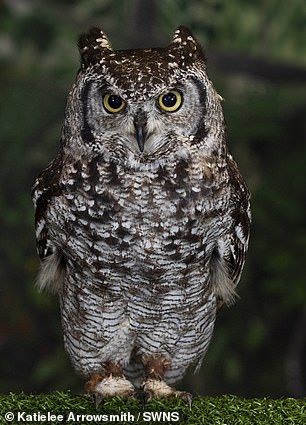
Left: Alba – a barn owl. Right: Savanna – an African spotted eagle owl
‘The team we’ve got work at different times of the year – the birds that we have over winter are the ones that like the colder weather, and as soon as it gets warmer, they go on their holidays and we switch them around a bit.
‘Of the birds pictured, the one that’s been flying in the shows the longest is our Eurasian eagle owl, Zeus, who is 19 this year.
‘He’s been in our shows since he arrived when he was five.’
Mr Williams explained that the birds are extremely food-motivated, adding: ‘When they’re little, we spend as much time with them as possible so they’re used to seeing us.
‘When it comes to the shows, it’s all about food – the owls are there because they want something to eat and we’ve got some snacks for them.
‘When they see us walking to a perch at the other end of the room, and that’s where the snacks are going, the bird is going to follow.
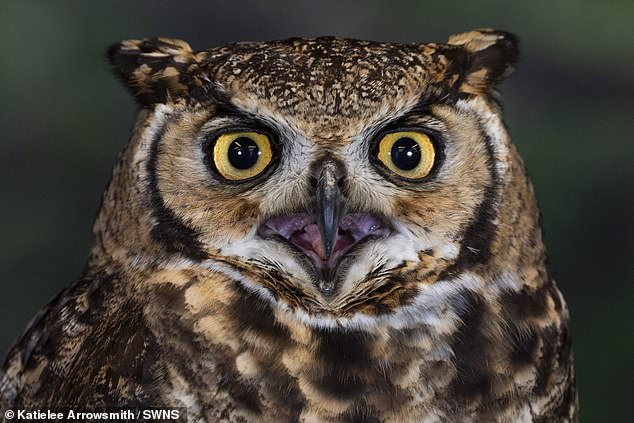
Pictured: Alicanto – a nine-year-old Magellanic horned owl
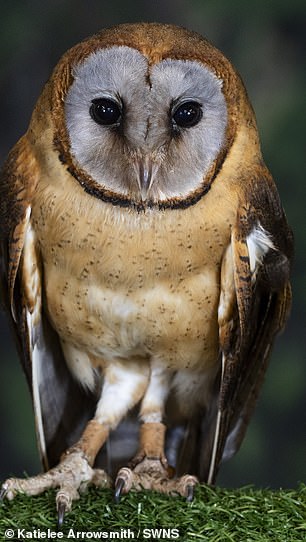
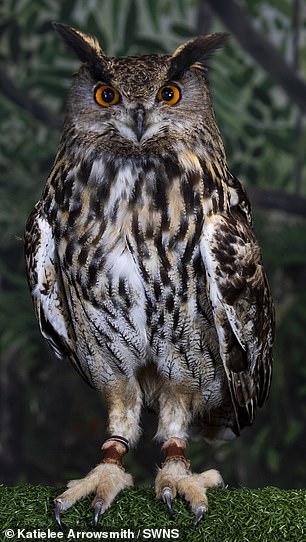
Left: Opia – an ashy-faced owl. Right: Zeus – an Eurasian eagle owl
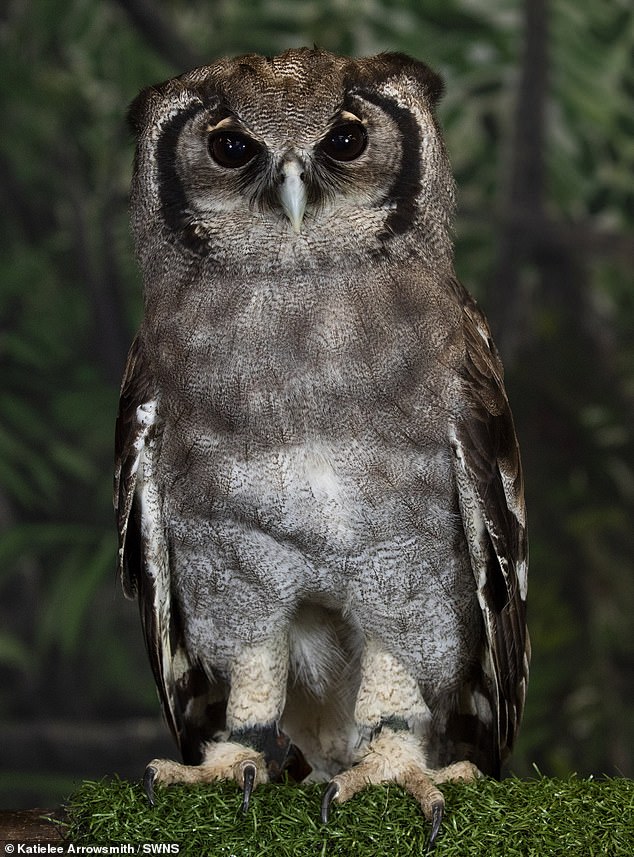
Pictured: Rafiki – a milky eagle owl which are typically found in sub-Saharan Africa
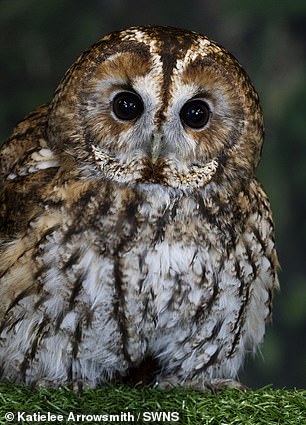
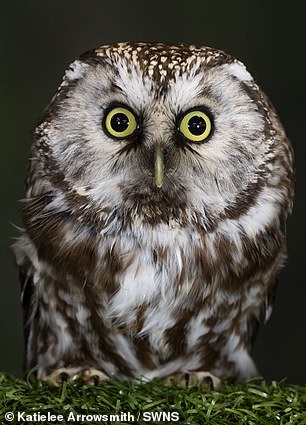
Left: Tony – a Tawny owl. Right: Aspen – a Tengmalm’s owl
‘They get little bits of chicken as a reward for doing a little bit of flying, and then when we finish the show, they get a big reward.’
The owls are typically ready to take part in the shows by the time they reach 12 weeks old – and Trystan says the giant Zeus is a fan-favourite.
‘I love seeing them in flight, and I also enjoy talking to people about them and sharing my passion with other people too,’ he said.
‘It’s hard to have a favourite when they’re all so fantastic, but the big owls are spectacular, so Zeus is a favourite of lots of the staff and visitors.’