Over the past 100 years of wars, one incentive for peace has been a shared interest in preventing or ending famines – by opening humanitarian corridors. Adversaries would pause hostilities to allow food-related products to reach blameless, hungry civilians. Such a moment of goodwill sometimes opened a diplomatic window for a war to end.
A similar tenderness toward the innocent is now being expressed during the Iran war.
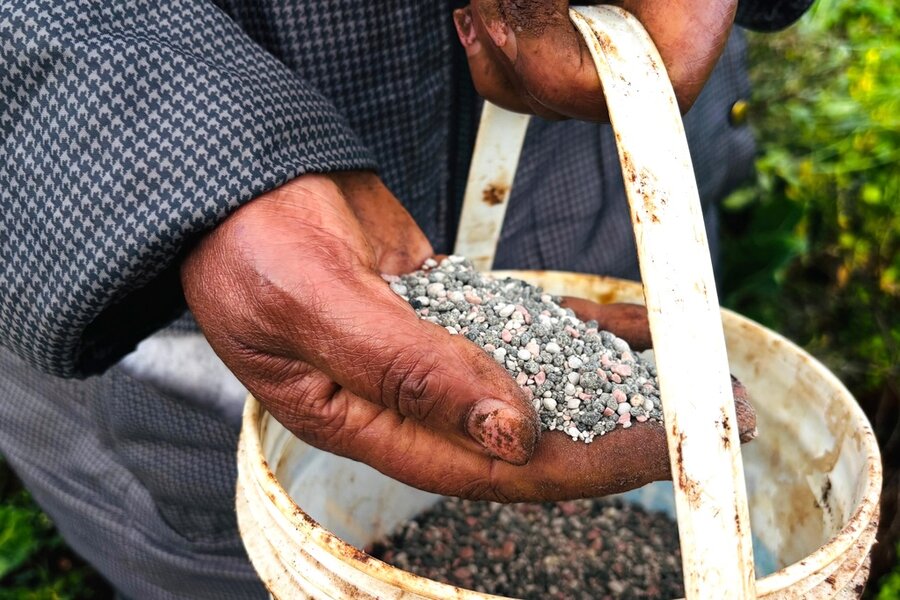
A number of countries including Italy, as well as the United Nations, are probing a diplomatic deal in which Iran would allow ships to sail through the Strait of Hormuz carrying raw materials for agricultural fertilizer made in Gulf Arab countries. Until the current war with Iran started Feb. 28, about a third of the world’s supplies of petroleum-based synthetic fertilizer products passed through the maritime choke point.
With Iran’s near-total closure of the strait, that flow has fallen about 90%. Small farmers in poor countries nearing planting season are now at risk of diminished harvests that might create food shortages in the coming year. “The window to avert a massive global hunger crisis is rapidly closing,” stated David Miliband, head of the International Rescue Committee.
A recent model for such a diplomatic initiative is a 2022 agreement that ended a Russian naval blockade of Ukraine’s ports in the Black Sea. The blockade was aimed at preventing Ukraine from exporting its sizable grain exports to much of the world. Moscow had to be persuaded that it should not harm people in countries it has long courted – a tacit recognition that war must have limits to protect the innocent, an idea coded into international law. And the pact led to a certain trust that diplomacy might at least mitigate the extent of worldwide civilian harm caused by Russia’s invasion, if not help to end the war.
Like Russia, Iran has an interest in not causing a global famine that would reflect poorly on its revolutionary ideology or desire to win allies. Opening the strait to fertilizer shipments “would protect Iran’s own food security and underline its claim that its selective control of the waterway is aimed only at belligerents,” wrote a group of prominent individuals in an appeal organized by the International Crisis Group.
Iran, of course, should not be granted authority to decide which ships can pass through the international waterway. But rather than outside powers using military force to open the strait for the sake of oil shipments, Iran might at least agree to open the waterway to prevent starvation in the world. Weaponizing food in a war would run against the grain of international law that helps preserve the innocent in a conflict – even in Iran.