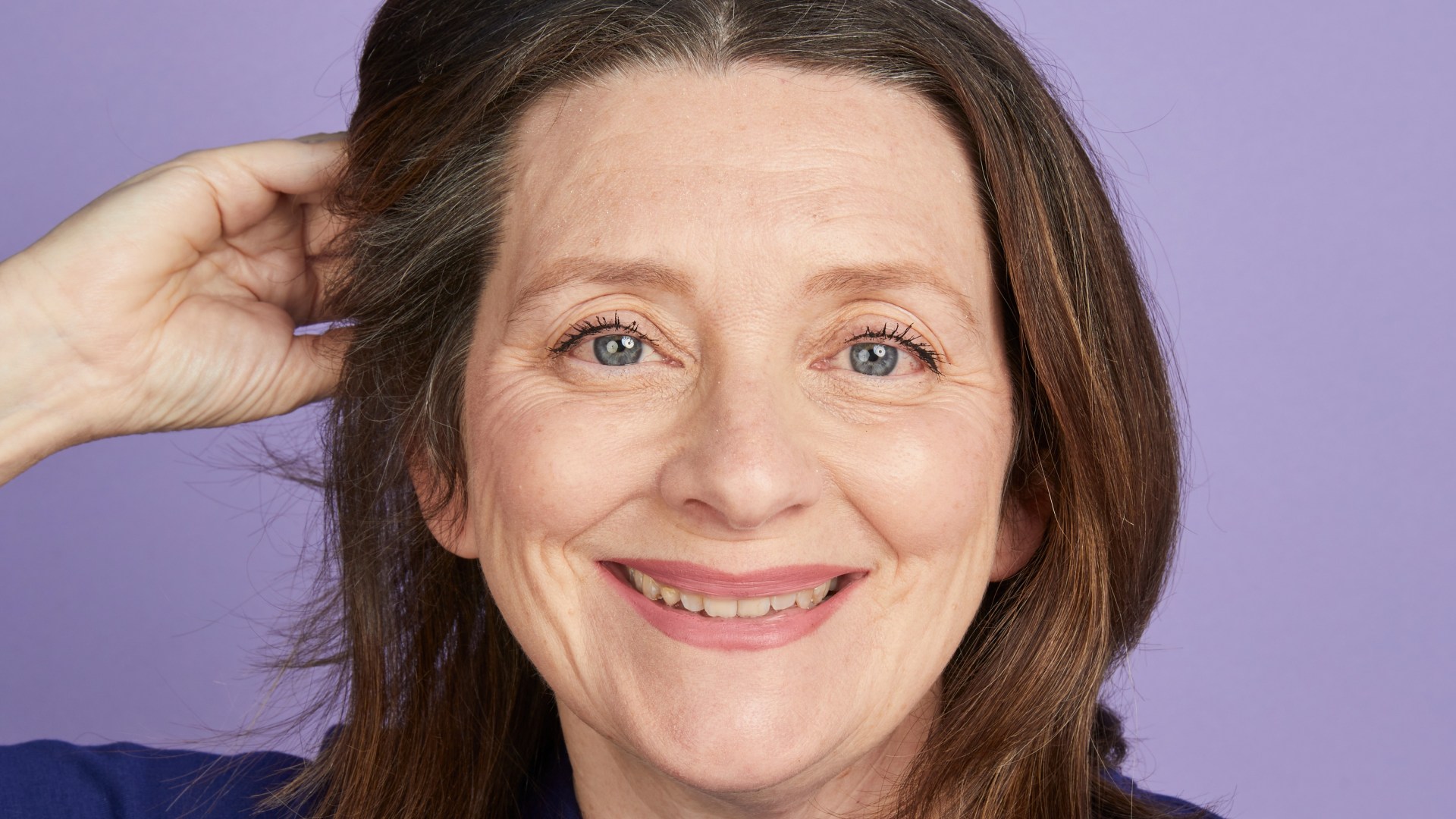
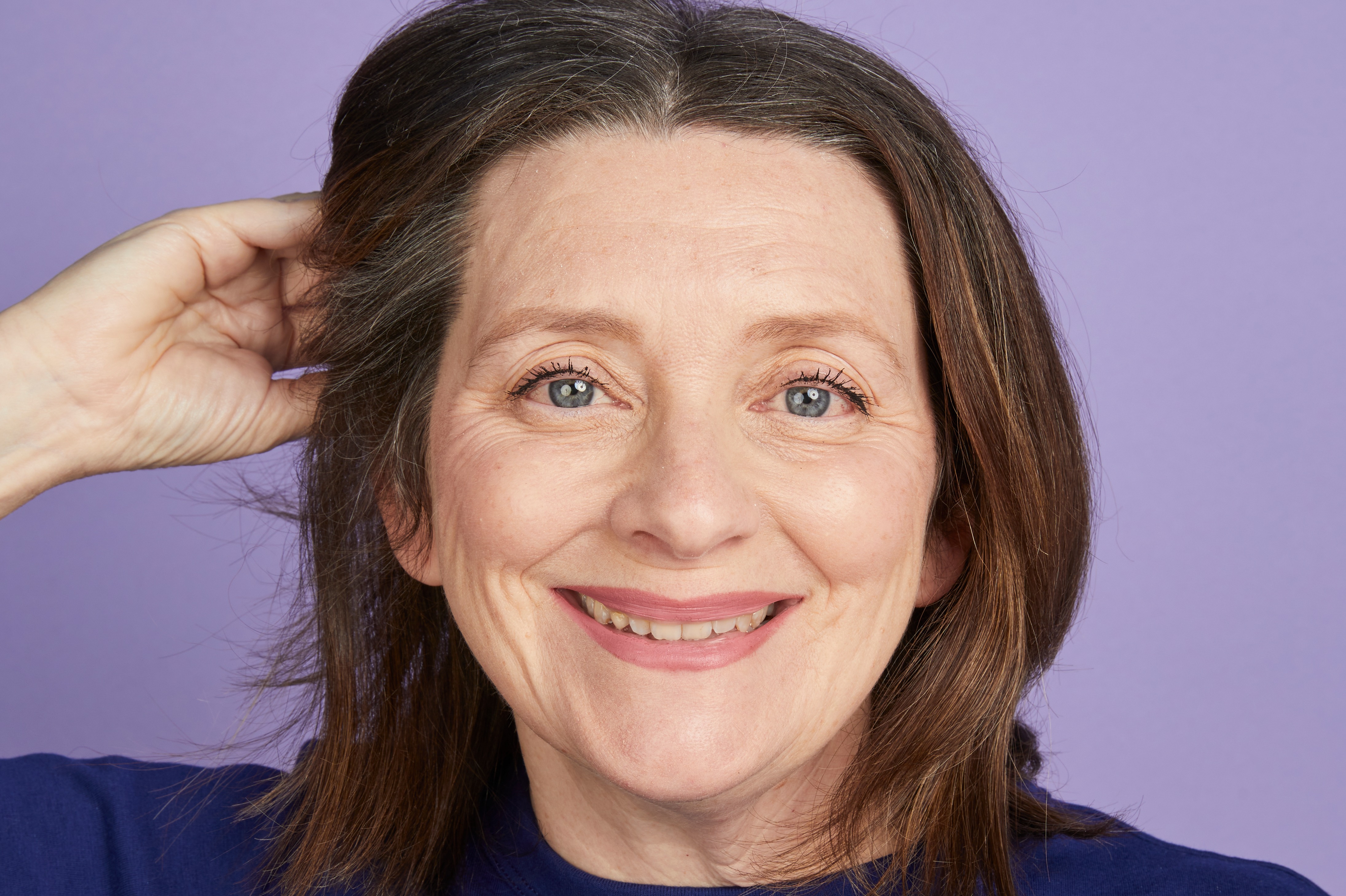
LOOKING in the mirror, my mouth fell open in horror. Who was this woman staring back at me?
I was a 56-year-old mum-of-two and while I already knew the menopause had taken its toll on my smooth skin, my svelte waistline and my ability to party into the wee small hours, now it had come after my crowning glory.
Instead of relaxing on holiday, I was consumed with gawping at my thinning locks, cruelly highlighted by the vast array of mirrors in Corsican villa we’d hired for the week.
I’d not noticed the change in my tresses before – now I was certain everyone could see my scalp. My parting was departing.
I didn’t mention it to my husband, 57, as I felt silly and vain. A friend who I mentioned it to didn’t seem too concerned but I think she was being polite.
It turns out I’m not alone in suffering this hair nightmare.
Around eight million women in the UK experience hair loss to one degree or another, with 40-50 per cent attributing it to the menopause, when plummeting oestrogen levels play havoc with your follicle health and growth cycles.
Looking online, I could see other ladies sharing fears about swimming or going on a night out because of their thin locks.
Some were even avoiding mirrors, photos and relationships. Back home in Reading, Berkshire, I felt horribly self-conscious about my midlength bobbed brown hair.
I’d always felt such pride in my naturally wavy mane.
As a teen in the Eighties, it was always big and bouffy – aided by a great big squirt of mousse, lots of scrunching and an upside down blast with my mum’s Braun hairdryer.
Or I’d use a satin scrunchie for a ‘pineapple’ topknot at the crown – and while I’d seen Gen Z sporting similar looks recently, I felt too old to try that as a cover up.
Nor would my top-of-the-range GHDs help me deflect attention from the fact my hair was looking thinner, finer and limp.
As a woman who had tried to be sanguine about the ageing process, this theft of my tresses was too much.
Especially when my hairdresser, perplexed by my flat barnet, asked if I’d been ill. The shame.
Old wives tale
I’d considered a full fringe to add volume at the front but I decided it wasn’t for me. Rather than hide away under a hat, I decided to take action and began researching ways to help my hair grow back.
But almost immediately, my social media algorithm pounced on my deepest fears and I was bombarded with adverts for lotions and potions, supplements, specialist shampoos and clinics.
I discovered I could get prescription hair loss drugs like Minoxidil and Finasteride simply by answering an online questionnaire – with Minoxidil helping to stimulate hair growth and Finasteride working to block the hormone that causes hair thinning.
Meanwhile, influencers and celebs were telling me that serums had restored the youthful bounce to their hair. Or I could resort to clipping in ‘nano extensions’ for added oomph.
I could have spent a fortune in minutes.
One serum I came across cost £30 for 30ml – and you had to use it daily.
Prices for a face-to-face consultation with a trichologist to assess what kind of hair loss I had started at £345, while buying an LED hair growth helmet that promised to energise my hair follicles and support my scalp health was £649.
Move over Botox and fillers – female hair loss is big business.
I was worried the only solution was to remortgage my house when I came across a much cheaper option online – a scalp massage device
I was worried the only solution was to remortgage my house when I came across a much cheaper option online – a scalp massage device.
It made sense, since the old wives tale claimed that brushing your hair 100 times was the secret to long locks.
It sounded too good to be true, but some research suggests this technique can increase hair thickness after 24 weeks – and I could do it myself, at home.
What did I have to lose? Hopefully no more hair…
There were plenty of scalp massagers online, but I opted for the Brushwork Scalp Massaging Brush. Made from silicone, it’s just £4.99 from Superdrug.
The makers recommended using small circular motions with a gentle pressure, claiming: “The brush stimulates blood flow to encourage hair growth with regular use”.
I started with five minutes’ massage a day on dry hair.
So satisfying
The process is simple. The hair must be dry before using small circular motions across the scalp. For relaxation, you could ask a partner to do it for you. I did worry I could be pulling hair loose by regular massage but realised healthy hair does shed as part of the growing cycle.
Each week I upped the time by another five minutes, so that after a month I was managing 20 minutes a day, at least five days a week.
At first, I added the five minutes into my morning routine, but as the time increased, I got into the habit of doing it while I was watching TV in the evening.
My husband and daughters, 20 and 17, were perplexed by my dedication to the product, but it soon became just another part of my beauty routine.
I divided the time equally between my fringe area, the crown of my head and the two sides, including my temples. It even ended up being a bit of a workout for my arms.
To begin with I was probably hoping for immediate results and was disappointed when that didn’t happen.
When I hit the eight-week mark, I suddenly noticed an improvement. My hair felt shinier and healthier
When I hit the eight-week mark, I suddenly noticed an improvement. My hair felt shinier and healthier, even though I hadn’t cut or coloured it since I started.
Knowing that my hard work was paying off was so satisfying. I began looking forward to upcoming social events and it felt good to not be obsessing about my hair.
Best of all, at a gathering with mates, one asked what I was doing to my hair because it looked different and she “liked” it.
I laughed when I asked my husband if he liked my new thicker bob because he said he didn’t see an issue with my hair in the first place. It wasn’t entirely the reaction I’d hoped for.
Now ten weeks on, scalp massage is part of my daily care regime. It’s a cheap and easy habit that I can keep up with.
I’m no longer analysing my brush each morning to check how many strands I’m shedding.
Instead, I’ve got hair that turns heads once again.