THE world is facing a oil and economic crisis not seen for 50 years as the Middle East war drags on.
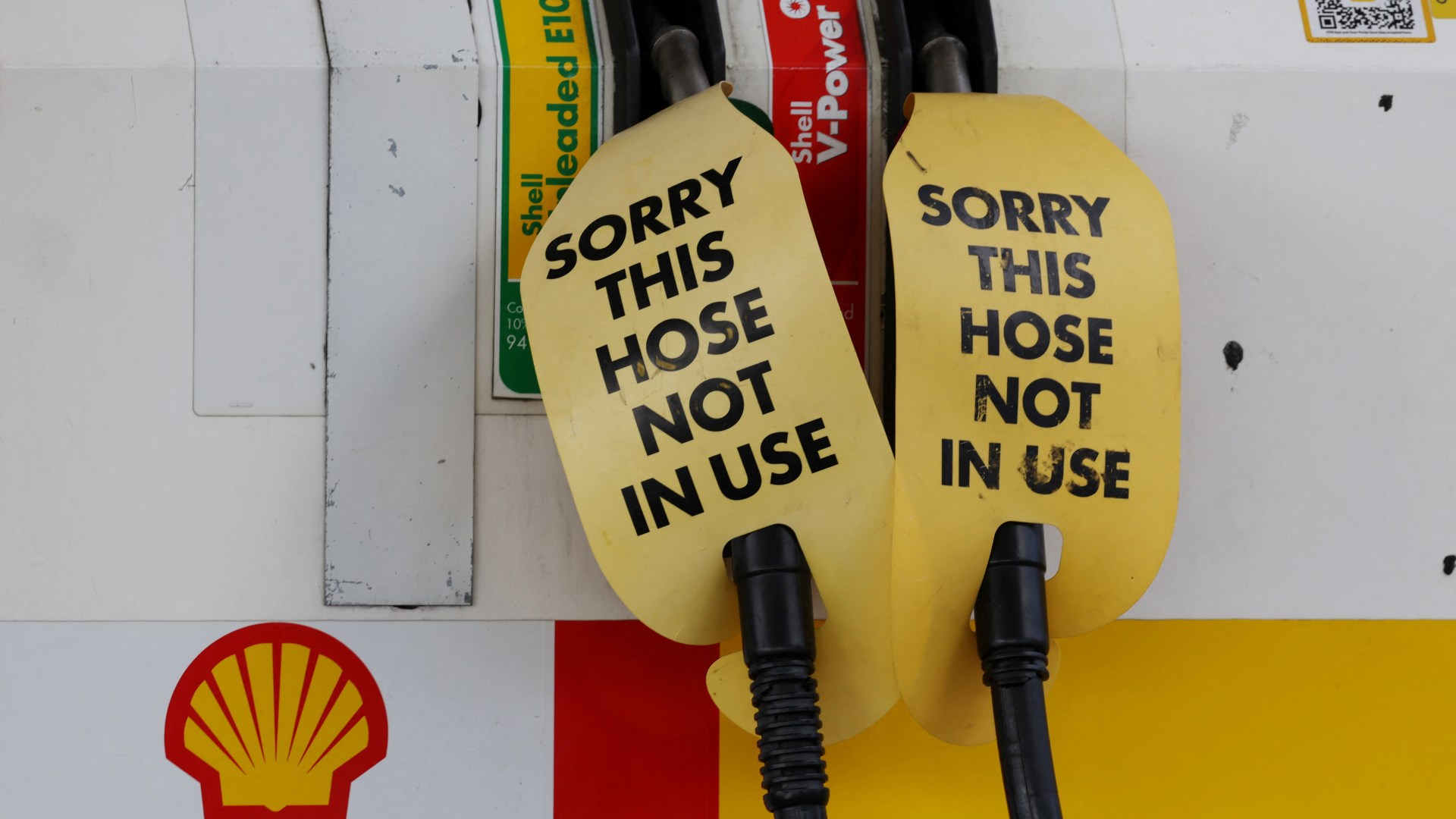
There are fears of “long term” fuel shortages, as the conflict sends global petrol and diesel prices soaring.
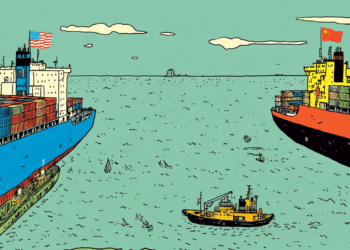
The crisis has been triggered by Iran’s blockade of the Strait of Hormuz – a vital shipping route through which a fifth of the world’s oil trade normally passes.
Global energy watchdog, the International Energy Agency (IEA) has urged people to work from home and even microwave their food to save on fuel.
Its director, Fatih Birol, warned the world was facing “the greatest global energy security threat in history”.
Countries around the world are now scrambling to save on fuel and energy supplies.
From shutting schools to offering free public transport, here’s everything different nations are doing to combat the crisis:
The UK – plans for energy bill help
Petrol prices have reached an 18-month high in Britain since the war began last month, with the government warning petrol stations over profiteering from the crisis.
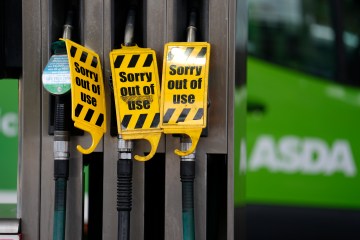
Bumper-to-bumper queues have been spotted at forecourts, despite drivers being warned not to panic buy fuel and fill up as normal.
There have been calls for Prime Minister Keir Starmer to follow in the steps of other countries and stop plans to bring an end to the 5p fuel duty cut set for this autumn, to ease drivers’ wallets.
Last week, Chancellor Rachel Reeves confirmed she is drawing up a contingency plan to provide energy bill help for households – but better-off households will not be included.
While other countries are taking more drastic measures like shutting schools or rationing fuel, experts have said it’s very unlikely this will happen in the UK.
“While the UK has much lower energy storage capacity than say Germany or France, there will be no disruption so severe as to justify anything like an energy lockdown or nationwide rationing,” said Adrian Pabst, deputy director of
Australia – free public transport until summer
Public transport has been made free in two Australian states as the country tries to encourage people not to drive.
In Victoria, passengers can travel on trains and buses for free throughout April, while Tasmania has made buses, coaches and ferries free for commuters until the end of June.
The country’s fuel excise tax has also been halved for three months to help bring down soaring costs at the pumps for drivers.
Pakistan – schools shut
Pakistan has taken some of the most drastic measures in order to preserve fuel, after the country saw the largest increase in petrol and diesel prices on record due to the conflict.
Schools shut for two weeks at the start of March, while universities have sent students home and moved classes online – measures similar to those taken during Covid lockdowns.
Workers in non-essential jobs have also been ordered to work from home more.
Slovenia – fuel rationing
Slovenia became the first EU county to implement fuel rationing to deal with the crisis.
Drivers have been limited to just 15 litres a week, and motorcyclists can only top up by five litres.
Petrol stations employees have been told it is their job to ensure customers do not buy more than the limit.
The measure was prompted partly by so-called fuel tourism – drivers from neighbouring countries like Austria coming across the border to fill up their cars to take advantage of cheaper pump prices.
The country has also declared Wednesdays a public holiday to cut down on traffic, meaning there will be no school or universities on this day.
Egypt – shops and restaurants closing early
Shops, restaurants and cafes in Egypt have been given a curfew of 9pm every night for the next month – but hotels and tourist attractions are exempt and can stay open later.
Street lights and roadside adverts are also being dimmed from this time to cut energy costs.
Meanwhile, non-essential office workers have been ordered to work from home one day a week to reduce traffic and fuel consumption.
However, the government has hiked petrol prices and public transport fares to cushion its public finances.
Egypt is especially vulnerable to fuel and energy shocks as it relies heavily on imported oil.
Vietnam – work from home to save on fuel
Businesses in Vietnam – which also relies heavily on oil imports – have been told to encourage employees to work from home to save on fuel.
Residents have been told to “ride bicycles, carpool, use public transport, and restrict personal vehicle use when unnecessary”.
The government has also removed import tariffs on fuel until the end of April.
Ireland – taxes on petrol and diesel cut
The Irish government is to cut duty on diesel and petrol by about one-fifth until the end of May, it announced.
It is also considering fuel and energy management measures for households, including requiring people to work from home, asking households to run washing machines and dishwashers at lower temperatures, and turn off lights and appliances around the home.
India – fears of ‘energy lockdown’
India has also cut fuel taxes, with the government slashing diesel duty by 7p a litre to zero, and petrol duty from 10p to 2p.
Fears have been raised in the country of a Covid-style “energy lockdown”, but India’s government have denied these rumours.
However, one government-run university in Delhi has sent hundreds of students home because of the energy crisis, and will put move classes online from April 6.
Bangladesh – planned blackouts
Bangladesh quickly shut its universities and moved lessons online, and introduced fuel rationing, when the war first broke out.
The country relies on imports for 95% of its energy needs.
The government already uses planned blackouts to preserve its energy supplies, and it has brought in more of these since the conflict began.