IT’S the ultimate party island – a tropical paradise where glamorous influencers pour into hundreds of beach bars and underground techno clubs looking for a good time.
But behind the filtered sunsets and yoga poses, Bali has become a narco paradise, where cops are battling a ‘white tide’ of British cocaine smugglers and a string of grisly deaths has sparked fears the Island of the Gods is quickly becoming a “killing ground”.
The influx of millions of “cashed up” holidaymakers has seen a surge in demand for party drugs such as cocaine and MDMA – transforming this once tranquil island into a hub for international drug cartels and gangsters.
Just this weekend, Scottish crime boss Steven Lyons was sensationally arrested in Bali and paraded by police.
The 45-year-old is head of the notorious Lyons gang, which has been caught in a murderous feud with the Daniel crime group that last year saw Lyons’ own brother Eddie and his pal Ross Monaghan gunned down on the Costa del Sol.
Lyons was nicked at I Gusti Ngurah Rai International Airport on a flight from Singapore, at the request of the Spanish Guardia Civil who want him extradited to Spain.
It’s little wonder Bali has become so popular with gangsters. With more than six million international visitors annually, the island has become one of the world’s most expensive places to buy cocaine.
A gram of the white stuff can cost as much as £200, while MDMA or ecstasy is £125 a gram. Just 500 grams of cocaine can net a dealer around £100,000.
But while this lucrative market is a drug dealer’s paradise, it’s a nightmare for cops.
And The Sun can reveal that the Bali Narcotics Board (BNP) has identified Britain as the leading exporter of drug smugglers to the holiday hotspot.
Grim new data released by the BNP confirms that smugglers from the UK are flooding the island with trafficked drugs.
And now Brits have become a top target for an elite Indonesian drugs task force looking to tackle the problem.
A top cop has warned that “special attention” is shifting toward British arrivals at the island’s I Gusti Ngurah Rai International Airport.
Wahyu Tri Kuncoro, head of the Eradication Division of the BNP, told The Sun: “In 2025, we arrested 20 foreign nationals as suppliers, receivers, and dealers.
“The largest number were seven British nationals. There have already been more arrests of British people accused of trafficking narcotics this year.
“UK nationals are the top suspects, and we are paying special attention to them.
“We will increase cooperation with the police and customs officials at the airport.”
Drug smugglers risk lengthy jail terms or even a death squad if they’re caught under Indonesia’s strict laws, but this hasn’t deterred Brits.
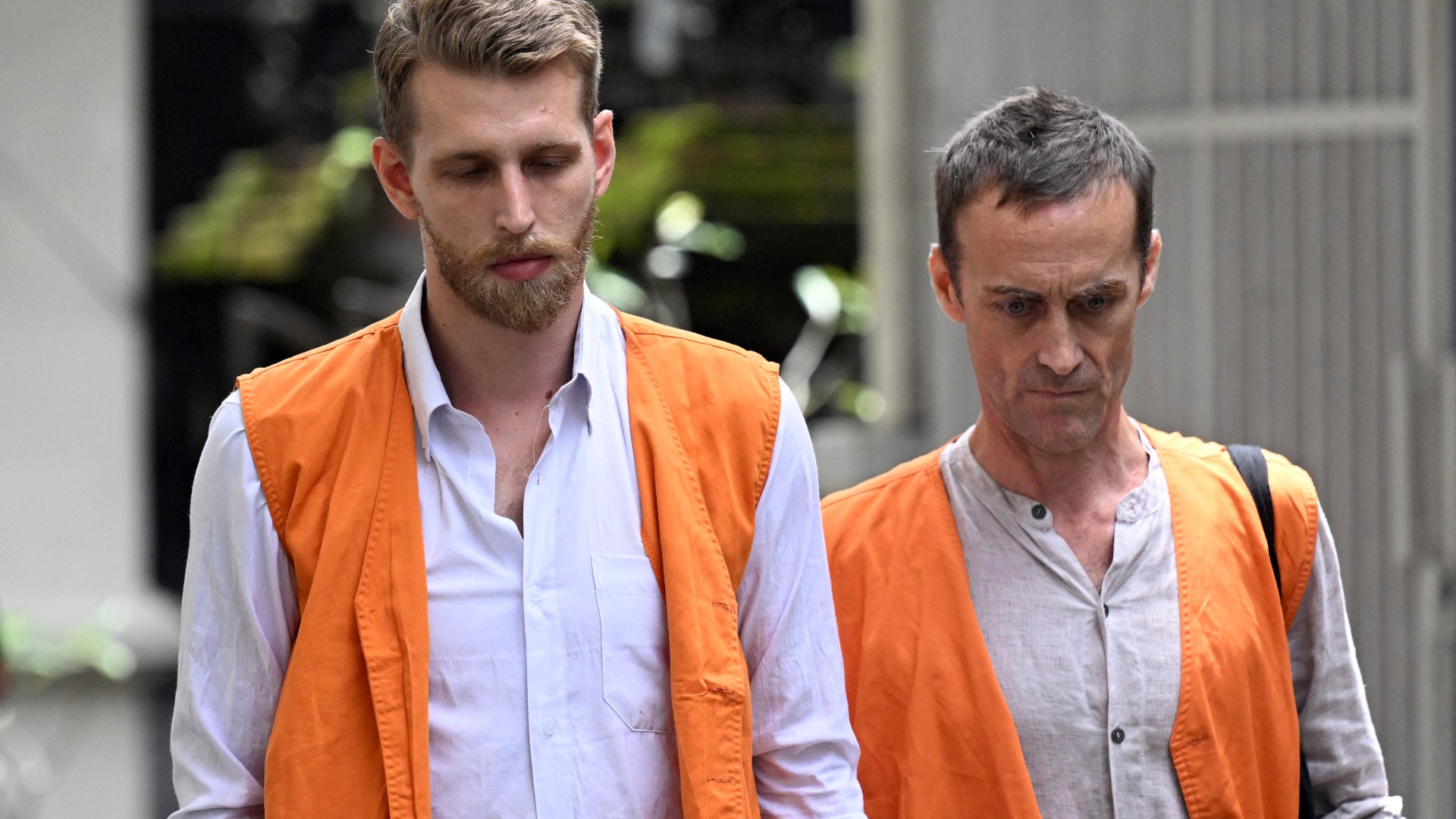
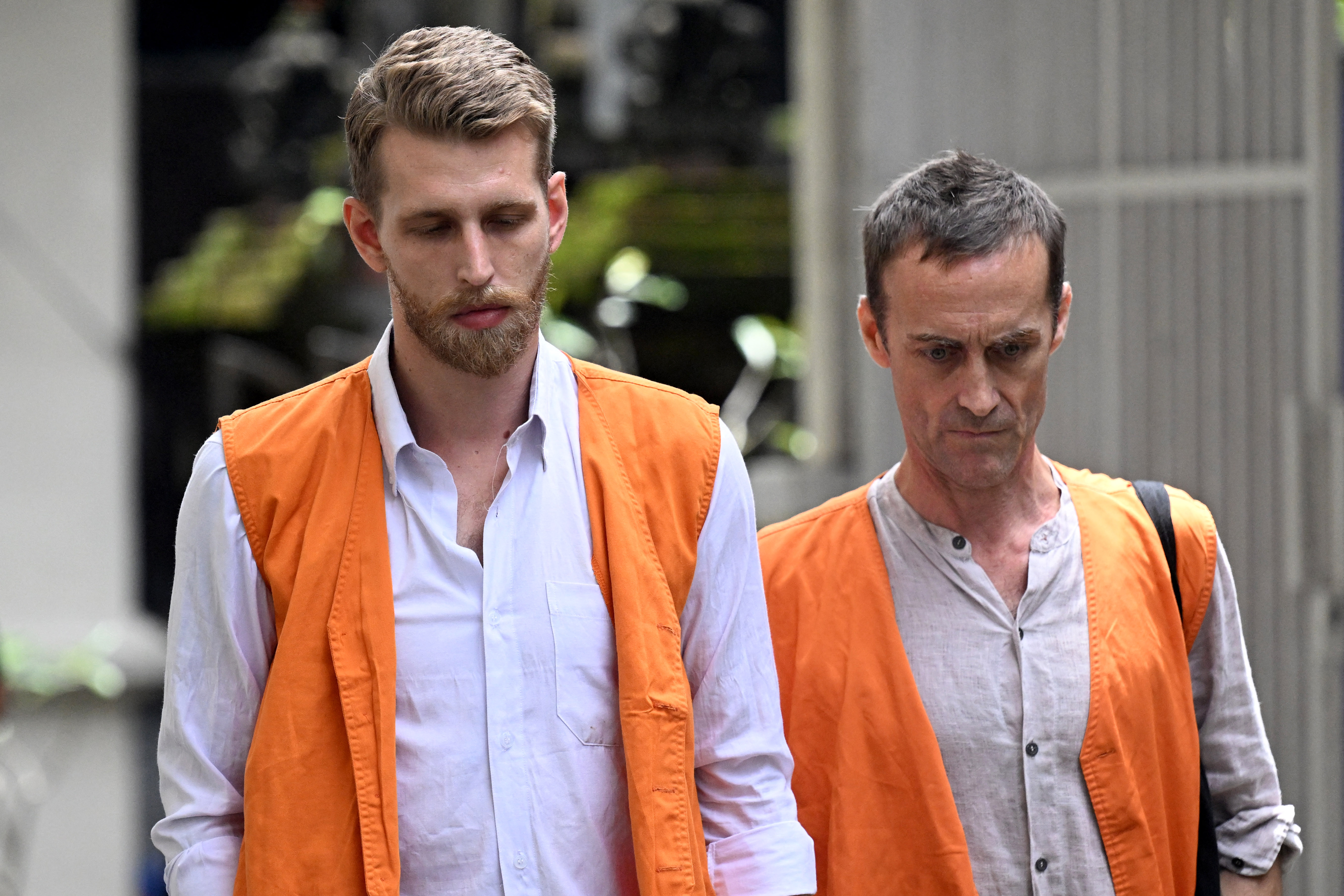
Just last month two UK nationals were jailed after smuggling £300,000-worth of cocaine into Bali for an alleged drug cartel.
Kial Garth Robinson, 29, was sentenced to 11 years behind bars, while Paul Ezra Wilkinson, 48, landed a term of nine years, for smuggling 1.3kg of cocaine from Barcelona to Bali in September last year.
Robinson and Wilkinson, both of Chichester, West Sussex, are now being held at Bali’s notorious Kerobokan prison – dubbed Hotel K.
Fellow Brits Jon Collyer, 39, and Phineas Float, 31, and partner Lisa Stocker, 40, all from Hastings and St Leonards in East Sussex, have also been jailed for trafficking.
They smuggled just under a kilogram of cocaine into Bali hidden in packages of the dessert Angel Delight.
Last month the trio were each sentenced to a year in prison.
International crime syndicates use crypto currency and blockchain tech for drug trafficking
Marthinus Hukom,
Stocker admitted to police that she and Collyer had previously taken packets of ‘Angel Delight’ to Bali twice before being caught. They both denied knowing that packets were stuffed with cocaine and claim they’d been framed.
While Collyer, Stocker and Float were handed an unusually lenient sentence, another Brit, Elliot James Shaw, 50 – and his Argentinian girlfriend Eleonora Gracia – were sentenced to five and seven years respectively for smuggling 244 grams of cocaine into the island.
The haul had an estimated street value of £300,000.
In May last year, Thomas Parker, 32, of Workington, Cumbria was thrown in prison for ten months after he was found in possession of a 1kg package of MDMA.
And in the last week of February this year, 53-year-old British carpenter Baath Jarnail Singh, was arrested in the tourist capital of Kuta, accused of having 1.4kg of cocaine stashed in a suitcase in his hotel wardrobe.
Police claim he told them during an interview that he cooked cocaine into paste in his seedy £7-a-night hotel.
The narcotics were then passed on to another, as yet unnamed member of an alleged drugs ring.
Indonesia was once a feared destination for drug traffickers where mules would be executed by firing squad on the prison island of Nusa Kambangan – also known as death island.
By law, being busted with just five grams of cocaine or heroin automatically triggers a legal position that assumes the perpetrator is a dealer.
Dealing drugs can attract a maximum penalty of death by execution. But in recent years Indonesia’s stance seems to have eased.
In 2024, Prabowo Subianto was sworn in as the nation’s new president and announced that foreign death row inmates and lifers would be repatriated to their home countries.
Death row granny Lindsay Sandiford, 69, of Cheltenham, and British lifer Shahab Shahabadi were returned to Britain in November last year.
Sandiford was held in Kerobokan prison for more than a decade for smuggling 4.8kg of cocaine worth more than £200,000 in 2013.
Shahabadi was serving a life sentence on the island of Java since 2014 for his role in trafficking 30kg of methamphetamine from Iran.
It’s never been easier to buy drugs, and I’ve lived here for 30 years
Anonymous Brit expat
These days, as Bali increasingly becomes a drug hub, the criminal landscape has learned to adapt.
Old school Balinese organised gangs such as Laskar Bali (Bali Army) and Baladika have been pushed aside by tech-savvy international operations.
Indonesia’s National Narcotics Agency (BNN) Chief Commissioner Genera Marthinus Hukom recently admitted that Bali is a major player for international drug trafficking.
“International crime syndicates use crypto currency and blockchain tech for drug trafficking in Bali. They target Bali’s young visitor population,” Mr Hukom said.
“They use messaging apps like Telegram to communicate with buyers, then send coordinates for pick-up locations, eliminating the need for face-to-face contact with dealers or couriers.
“These transactions are extremely difficult for authorities to trace.”
The commissioner warned that Bali may be turning into a “killing ground” for members of transnational drug syndicates.
He pointed to last year’s contract-style shooting of two Australian men in a villa near the party central district of Canggu, which he believes is linked to drug networks.
“Long established South-East Asian drug gangs operating in Bali were joined last year by Mexico’s powerful Sinaloa Cartel,” he said.
“Even though their countries are at war, Russian and Ukrainian crime syndicates become narco partners in Bali.”
On February 19, Igor Komarov, 28 – the son of a Ukrainian mafia boss – was kidnapped while on holiday on the island.
In a video given to Indonesian police, Komarov begs his parents to pay £7million to his abductors. He looked badly beaten with two black eyes.
Several days later, a dismembered and mutilated body washed up in a river.
Tattoo fragments on the body were matched to photographs of Komarov, and later DNA testing confirmed the remains to be his.
One introduction from a trusted client or a known expat can open a whole buffet of narcotics
Anonymous Brit expat
A local criminal lawyer, who asked not to be named, told The Sun: “Dealing is concentrated in Canggu, though the drugs are coming from all over the world.
“Bali is now a high-demand location and there is plenty of money to be made here.
“These recent busts of Brits bringing in packages of cocaine is just the tip of the iceberg.”
Expats claim that drugs are so rife on the party island that buying MDMA is as simple as wondering around a club until a local dealer makes an offer.
Securing cocaine, however, is a little trickier.
“It’s never been easier to buy drugs, and I’ve lived here for 30 years,” said one British expat, who asked not to be named.
“But cocaine is usually sold by foreigners, and they are extremely cautious about who they sell to. They don’t do business with strangers.
“But to be honest, one introduction from a trusted client or a known expat can open a whole buffet of narcotics.”