London homes are selling for up to £1million less than the owners paid for them amid a slump in demand for high-end properties.
Rising interest rates and sky-high stamp duty bills are being blamed for driving away super-rich property owners from the capital.
One six-bedroom mansion in Chelsea that was bought for £7.8million in 2014 lost over a million pounds in value when it sold for £6.4million in July last year.
An apartment in Southwark cost £2.4million in 2017, but fell to £1.8million when it was sold in July 2025.
A study by Hamptons found 11 per cent of homes in London were put on the market or sold in 2026 for less than the price they were bought for.
Properties in the City of London were hit the hardest, with almost 24 per cent sold for less than what the owner paid.
Lower-cost homes are also being affected, with a flat in Limehouse that sold for £825,000 in 2018 bagging its owner just £550,000 last November.
The properties mentioned in this article were shared on LondonPriceDrop, a social media page revealing some of the biggest losses suffered by homeowners.
The anonymous X account has gained more than 13,000 followers and is striking fear into the hearts of estate agents across the capital.
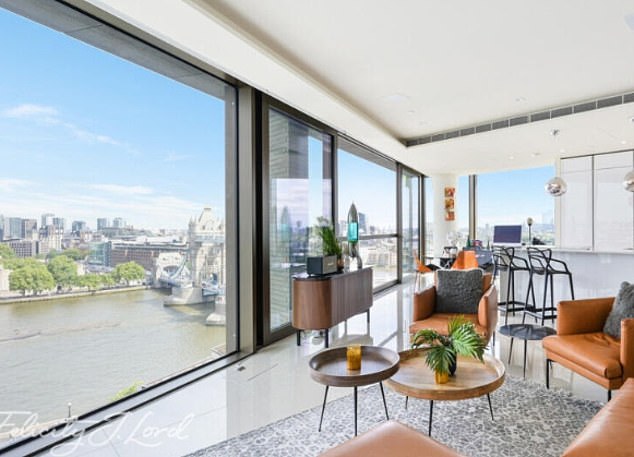
An apartment in Southwark was bought for £2.4million in 2017 fell to £1.8million when it was sold in July 2025
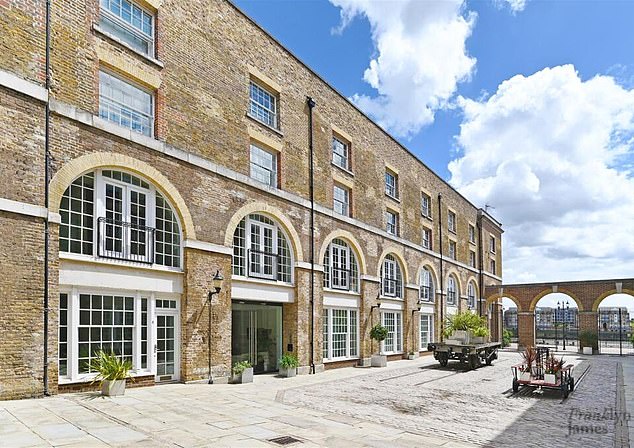
Another eyewatering example saw an apartment in Limehouse which sold for £825,000 in 2018 be bought for just £550,000 in November last year
The average London home value saw its steepest decline in almost two years in January when it fell 1.7 per cent to £556,000, according to figures posted by the Office for National Statistic (ONS) this week.
Director of sales at Arlington Residential Marc Schneiderman told the Telegraph these plummeting house prices are ‘totally gut wrenching’ for many people as it is often the ‘single biggest asset’ they own.
He said the owners of a house in Primrose Hill who bought it for £9million ‘took a few weeks to come to terms’ with the drop when it was listed for £7.5million.
Mr Schneiderman added: ‘I think it’ll be a long, long time before we get back to levels that some of these clients paid price-wise for their homes.’
James Perris, from De Villiers Surveyors, told the publication he had seen discounts of up to 40 per cent across various properties in London, adding that mid-range stock and flats are ‘struggling’ to sell the most.
He said the retreat of overseas buyers who have been scared off by rising interest rates and stamp duties mean two-bedroom flats and new builds that sold ‘extremely well’ five to 10 years ago are now difficult to sell.
Senior analyst at Rathbones Adam Hoyes said the period up until the mid-2010s when house prices increased faster than inflation is over, adding that property is not the same investment proposition it was in the mid-90s.
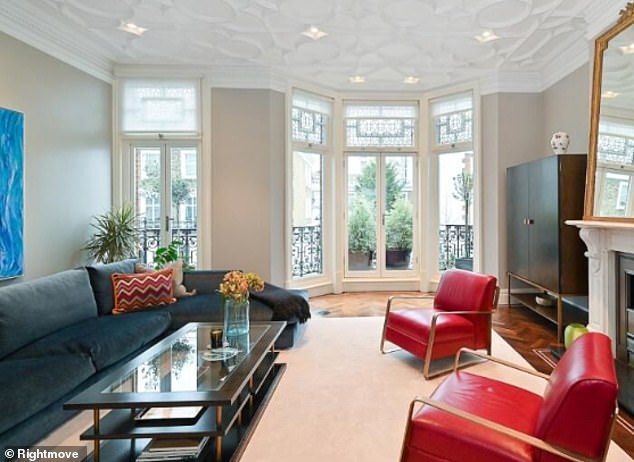
A six-bedroom house in Chelsea purchased for £7.8million in 2014 lost over a million pounds in value when it sold for £6.4million in July last year
He explained how investments in the stock market have been more fruitful than property.
Mr Hoyes estimated that £100,000 invested in the average London property in January 2016 would have grown to just under £113,200 by January 2026.
But £100,000 invested in a typical basket of stocks would have reached just under £224,600 in the same period.
Managing director of LonRes Anthony Payne believes the Government ‘made a conscious decision’ to stop what could have been seen as ‘runaway growth in the property market’.
Over a decade ago, policy interventions saw changes made to stamp duty and the Renters’ Right Act which have since made property investment less and less appealing.
Between 1995 and 2016, London house prices rose by 9.1 per cent per year, according to ONS and Land Registry data. However, that figure fell to just 1.3 per cent between 2016 and 2025.
When the numbers are adjusted for inflation, prices went from rising 7 per cent annually in real terms during the first period to falling 2.2 per cent per year in the second period.
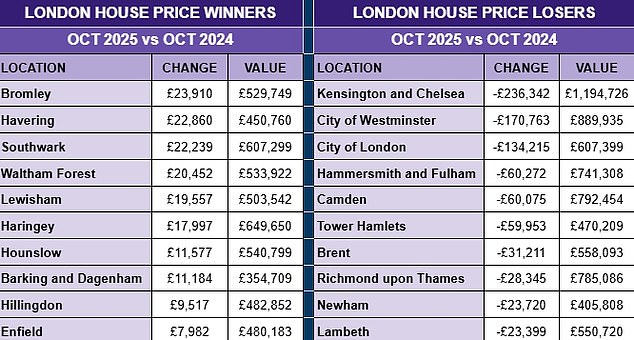
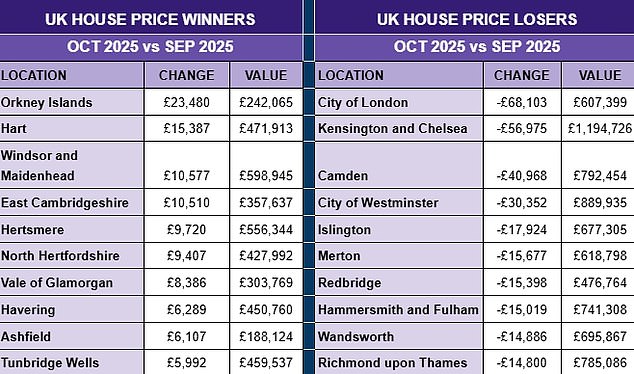
Leasehold flats are hit particularly hard with sellers accounting for 60 per cent of London sales in 2025, but 90 per cent of these actually sold at a loss, according to Hamptons.
Founder of campaign group Free Leaseholders Harry Scoffin said futile attempts at leasehold system reform have put people off of owning or buying them.
He said: ‘There’s much greater awareness that the first rung of the property ladder is toxic for first-time buyers, but also elderly downsizers.’